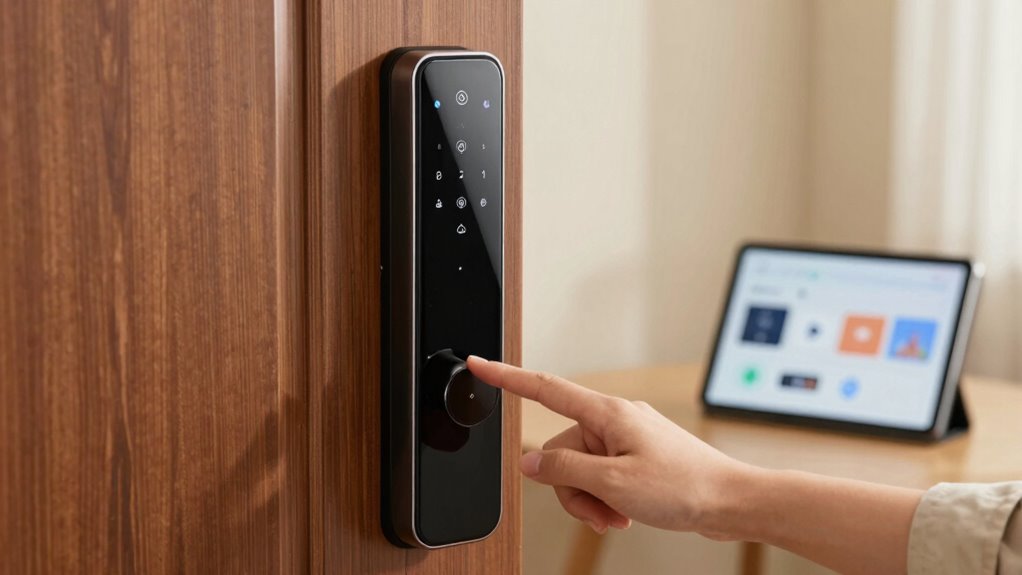

When choosing between a smart lock with local control or cloud-based management, consider your privacy and security needs. Cloud locks offer convenience with remote access but pose risks from cyberattacks and data breaches, especially if internet services fail. Local control locks are more private and resilient against hacking, but they limit remote access. Balancing your desire for convenience versus security can help you make the best decision—stay with us to discover more insights.

Get audio and creator gear delivered free with Prime
- Fast, free delivery on millions of items
- Prime Video, Amazon Music and more included
- Member-only deals all year
Key Takeaways
- Cloud smart locks enable remote access but increase privacy and cybersecurity risks due to external server dependency.
- Local control locks provide enhanced privacy and resilience during internet outages but limit remote management.
- Cloud systems are vulnerable to hacking and data breaches, while local systems face physical and Bluetooth vulnerabilities.
- Choosing between them involves balancing remote convenience with security and privacy priorities.
- Regular cybersecurity vigilance is essential for both options to mitigate evolving threats.
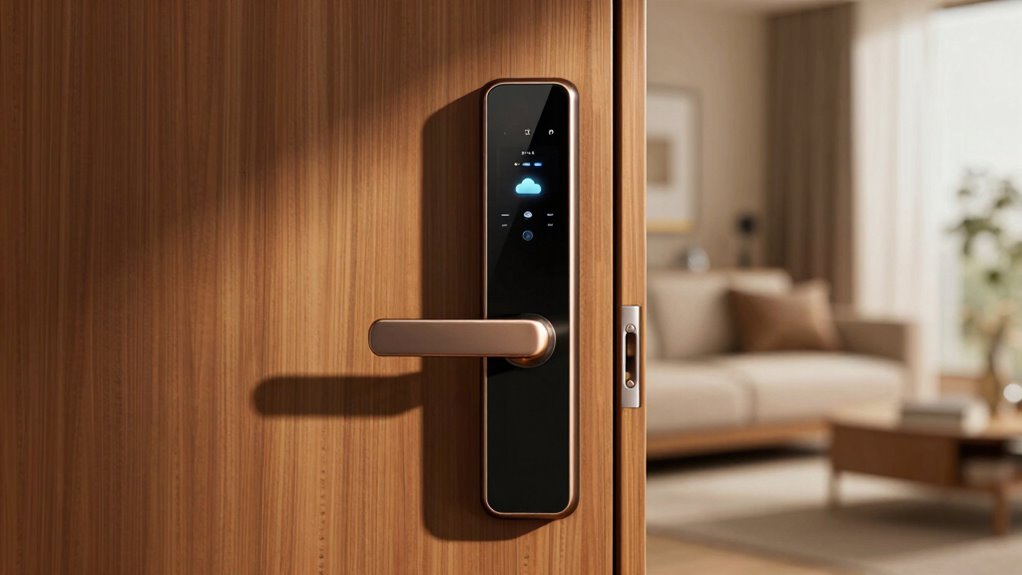
When shopping for a smart lock, many buyers focus on features like convenience and security, but there’s one essential question they often overlook: what happens if the lock’s software fails or gets hacked? It’s easy to get caught up in the appeal of remote access or sleek design, yet ignoring the underlying security vulnerabilities can leave your home exposed. One key decision point is whether the lock relies on local control or cloud-based systems. Understanding this distinction is vital, because it directly impacts your privacy, security, and overall peace of mind.
If your smart lock uses cloud connectivity, your data travels through external servers to enable remote access and management. While this setup offers convenience, it also introduces privacy concerns. Your personal access codes, activity logs, and even biometric data can become targets for cyberattacks if the cloud provider’s security measures are weak. A hacker who exploits a vulnerability in the cloud system could potentially open your door, pose a threat to your privacy, or even manipulate your system remotely. Furthermore, cloud-based locks depend heavily on an internet connection. If the internet goes out, you might find yourself locked out or unable to control your lock, which could be a major inconvenience or safety risk. Additionally, cybersecurity threats are constantly evolving, making it essential to stay informed about potential vulnerabilities in digital security. Regular updates and security patches are critical to maintaining safety with cloud-based systems.
On the other hand, local control smart locks operate independently of internet services, usually via Bluetooth or Wi-Fi within your home network. This design minimizes exposure to external threats because your lock doesn’t rely on external servers. While it might limit remote access from anywhere, it greatly reduces the risk of security breaches stemming from cloud vulnerabilities. Local control locks also tend to be more resilient during internet outages, giving you direct access through your smartphone or keypad without depending on a third party. Additionally, because these locks process data locally, your privacy remains more intact, and you’re less vulnerable to privacy concerns linked to data collection or breaches. Motorized curtain rods and home security devices often utilize local control options for added security. It’s also worth noting that security protocols in local systems are often more transparent, allowing users to better understand and verify how their data is protected.
However, even with local control locks, you should consider potential security vulnerabilities. Physical hacking or exploiting Bluetooth vulnerabilities can still pose risks. But, generally, they offer a safer alternative if your priority is minimizing external threats. An understanding of local control advantages can help you make an informed decision about your home security. Ultimately, weighing the trade-offs between convenience and security is essential. If you’re concerned about privacy and security vulnerabilities, a local control system might be the better choice. But if remote access and smart home integration are more important, you’ll need to accept the inherent risks of cloud-based systems—and take extra precautions to safeguard your data. The decision boils down to understanding the balance between convenience, privacy, and security, so you can choose a smart lock that truly fits your needs.
As an affiliate, we earn on qualifying purchases.
Frequently Asked Questions
How Does Local Control Affect Smart Lock Battery Life?
Local control generally improves your smart lock’s battery life because it reduces reliance on constant internet connections, leading to better battery optimization. Since the lock communicates directly with your device or local hub, it consumes less power compared to cloud-dependent locks that frequently transmit data. This lower power consumption means your lock lasts longer between charges, providing more reliable security without frequent battery replacements.
Can Local Control Locks Be Integrated With Existing Home Security Systems?
Ever wondered if local control locks can join your existing security system? Yes, they can, especially if they support standard protocols like Z-Wave or Zigbee. This integration allows for seamless remote access and enhances user authentication. You get the benefits of local control’s reliability and security, while still managing your lock through your security system’s interface. Doesn’t that make your home safer and more connected?
What Are the Legal Implications of Local Versus Cloud-Controlled Locks?
You should be aware that local control locks typically have fewer legal concerns around privacy and data ownership because they store data locally, giving you more control. Cloud-controlled locks, however, raise privacy concerns since your data is stored remotely, potentially exposing you to security breaches or misuse. Legally, this can impact your rights over your data, so understanding how your provider handles data ownership and privacy policies is vital before choosing a smart lock.
How Do Local Control Locks Handle Firmware Updates?
Local control locks handle firmware updates through physical connections like USB or Ethernet, avoiding reliance on cloud servers. You typically connect the lock directly to your device or network, then install updates manually. This process guarantees security protocols are maintained without exposing your lock to potential online vulnerabilities. While updates may require some effort, they give you more control and peace of mind, knowing your firmware stays current without risking cloud-based security breaches.
Are Local Control Locks More Resistant to Hacking Than Cloud-Based Ones?
Think of local control locks as a fortress with walls built from robust encryption protocols, making them harder for hackers to breach. Since they don’t rely on cloud servers, they’re less exposed to remote attacks. With user access management tightly controlled on-site, your lock remains resilient against hacking attempts. While no system is invulnerable, local control locks generally offer a stronger defense, keeping your home safer from digital intruders.
Conclusion
Think of your smart lock as the gatekeeper to your home’s castle. Whether you choose local control or cloud access, remember that each has its own armor against threats. The key is understanding which guard suits your needs best—one that’s steadfast and close, or one that’s swift and distant. By asking the right questions now, you’re ensuring your fortress remains secure, no matter which lock you choose. Stay vigilant, and keep your home safe.
Halloween Picks
halloween
As an affiliate, we earn on qualifying purchases.