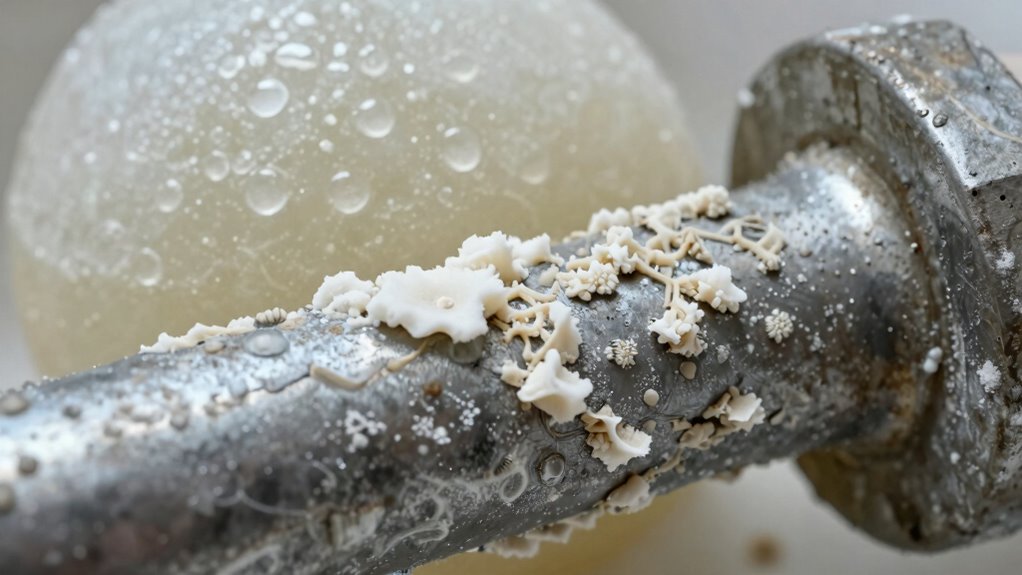

Hard water contains high mineral levels, mainly calcium and magnesium, which cause scale buildup that can damage pipes and appliances. You can test it with simple kits or observe signs like spots and soap scum. To soften it, systems like ion exchange water softeners replace minerals with sodium, helping appliances last longer and reducing scaling. Routine maintenance guarantees your system functions well. Keep exploring to discover how to identify, treat, and maintain your water supply effectively.
Key Takeaways
- Hard water contains high levels of calcium and magnesium, causing mineral buildup and scaling in pipes and appliances.
- Signs of hard water include spots on dishes, soap scum, mineral stains, and decreased soap lathering.
- Water softening systems, like ion exchange water softeners, replace minerals with sodium to prevent scaling.
- Regular maintenance of softening systems involves checking salt levels, cleaning tanks, and monitoring water hardness.
- DIY prevention tips include installing filters, cleaning fixtures, and flushing appliances to reduce mineral buildup.
water softener system for hard water
As an affiliate, we earn on qualifying purchases.
As an affiliate, we earn on qualifying purchases.
What Is Hard Water and How Do You Know If You Have It?
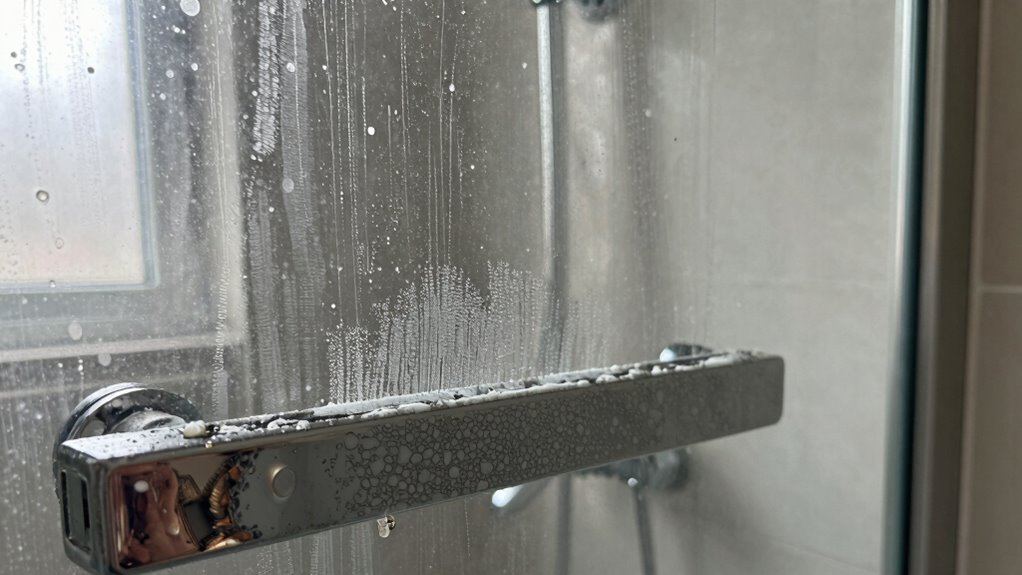
Have you ever noticed soap not lathering well or seeing spots on your dishes? These are common signs of hard water, which results from water mineralization. Hard water contains high levels of minerals like calcium and magnesium, making it difficult for soap to foam and leaving mineral deposits behind. To determine if you have hard water, look for signs such as soap scum buildup, spots on glassware, or mineral stains on fixtures. You can also perform a simple hard water detection test using kits available at hardware stores. Recognizing these signs early helps you understand your water quality and decide if you need softening solutions. Water mineralization can significantly impact the effectiveness of household cleaning products, and understanding water hardness levels can help you choose appropriate treatment options. In some cases, high mineral content can also lead to scale buildup in pipes and appliances, causing potential damage over time. Hard water issues are widespread, but identifying them is the first step toward effective maintenance.
descaling solution for appliances
As an affiliate, we earn on qualifying purchases.
As an affiliate, we earn on qualifying purchases.
How Hard Water Causes Scale and Affects Your Appliances
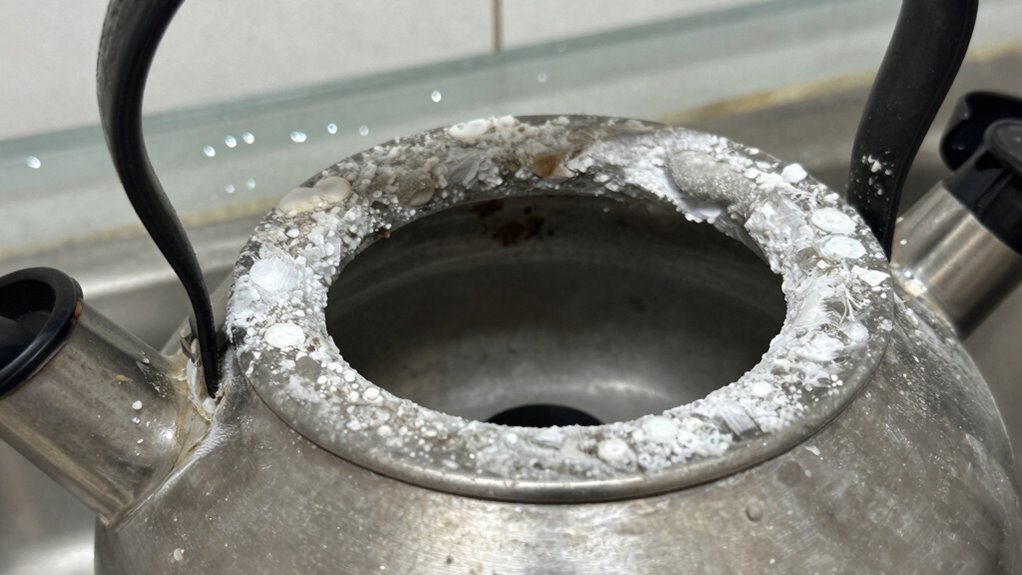
When hard water flows through your plumbing and appliances, the high mineral content begins to form deposits known as scale. Over time, this scale buildup clogs pipes and coats heating elements, reducing their efficiency. Appliances like your dishwasher, water heater, and coffee maker have to work harder to heat water, which increases energy consumption and shortens their lifespan. The minerals in hard water create a stubborn layer that hampers heat transfer and causes parts to wear out faster. Recognizing how hard water impacts appliance efficiency emphasizes the importance of managing mineral buildup early on. Regular maintenance and understanding water hardness levels can help prevent costly damage and extend the life of your appliances. Monitoring scale formation can also alert you when it’s time to take preventive action, and using water softening methods can significantly improve appliance performance and longevity. Implementing descaling techniques can further help maintain optimal appliance operation and prevent long-term damage. Being aware of mineral deposits and their effects on heating efficiency underscores the value of preventative care.
hard water test kit
As an affiliate, we earn on qualifying purchases.
As an affiliate, we earn on qualifying purchases.
Understanding the Minerals in Hard Water
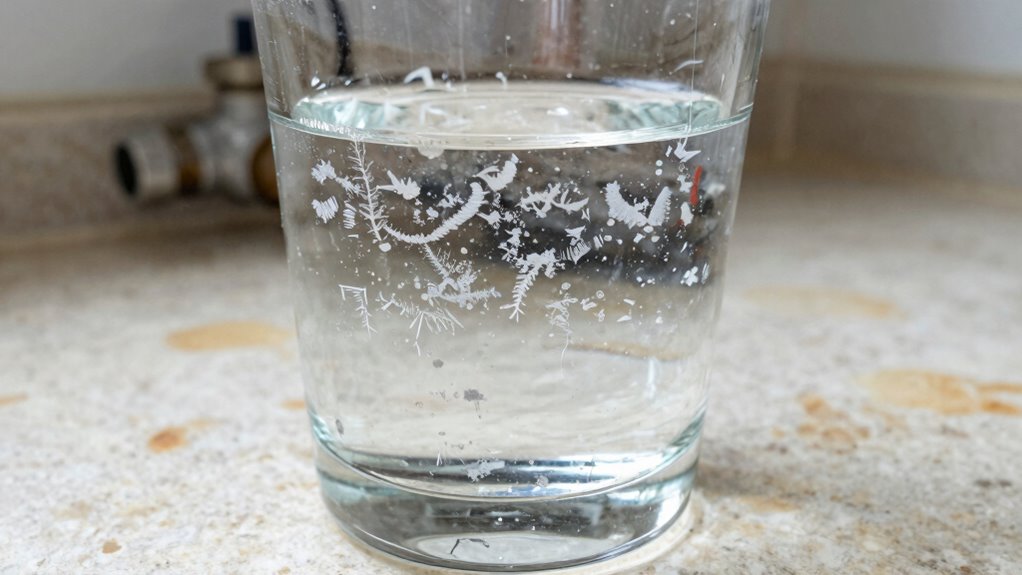
You should know that hard water mainly contains minerals like calcium and magnesium, which give it its characteristic qualities. These minerals are the most common culprits behind scale buildup and can impact your plumbing over time. Understanding what’s in your water helps you see how it affects your home and appliances. Vetted water treatment solutions can help reduce environmental impact and improve water quality. Additionally, water softening methods can effectively remove or neutralize these minerals, prolonging the lifespan of your plumbing and appliances. Implementing whole-house filtration systems tailored to your water’s specific mineral content can further enhance water quality and appliance longevity. Furthermore, Gold IRA Rollovers strategies can diversify your assets and provide long-term financial security.
Mineral Composition Overview
Hard water gets its name from the high concentration of minerals dissolved in it, primarily calcium and magnesium. These mineral types are the main contributors to hardness and can vary in amounts depending on your location. This mineral composition variability** means that some water sources contain more calcium, while others have higher magnesium levels. This difference affects how hard water behaves, how it reacts with soap, and how it impacts appliances. Understanding the mineral composition helps you grasp why hardness levels differ and what problems they might cause. While calcium and magnesium are the primary minerals, trace elements like iron and manganese can also be present, but in smaller amounts. Recognizing the mineral types and their variability gives you a clearer picture of what’s in your water. Mineral variability also influences how well water softening methods work and can impact the effectiveness of treatment options available. Additionally, the presence of these minerals can lead to scaling buildup in pipes and appliances, further emphasizing the importance of understanding mineral content. Being aware of the geographic origin** of your water can provide further insights into its mineral composition and potential challenges.
Common Hard Water Minerals
Understanding the key minerals in hard water is essential because they directly influence how the water behaves and affects your household. The primary minerals responsible for hardness are calcium and magnesium. When water moves through minerals-rich rocks, it dissolves these elements, leading to mineral deposits on fixtures and appliances. Calcium, often in the form of calcium carbonate, contributes to scale buildup and soap scum. Magnesium, in the form of magnesium carbonate, also causes scaling and can affect water’s taste. These minerals, especially when present in high concentrations, can lead to scale formation and reduced efficiency of household appliances. Together, these minerals shape the water’s composition and determine how hard or soft it feels. Recognizing these common hard water minerals helps you understand why your water behaves the way it does and prepares you for effective softening and maintenance strategies. Mineral content in hard water directly impacts how it interacts with household systems and fixtures.
Effects on Plumbing Systems
The minerals in hard water, particularly calcium and magnesium, can cause significant damage to plumbing systems over time. These minerals lead to pipe corrosion, reducing pipe lifespan and risking leaks. As mineral deposits accumulate, water pressure drops because flow becomes restricted. To understand the impact:
- Mineral buildup narrows pipe interiors, increasing strain on your plumbing.
- Corrosion weakens pipe walls, raising the chance of leaks or bursts.
- Reduced water pressure affects everyday tasks, signaling potential blockages or pipe deterioration.
- Recognizing water hardness helps in choosing appropriate treatment methods to prevent damage. Additionally, understanding the effects of mineral deposits can assist in selecting the most effective water softening solutions.
Furthermore, mineral buildup can lead to the formation of scale buildup, which impairs the efficiency of appliances and fixtures connected to your plumbing system.
Over time, these effects compromise your plumbing’s efficiency and durability. Regular maintenance and water softening can help mitigate mineral deposits, preserving your system’s integrity. Recognizing these consequences encourages proactive steps to protect your plumbing from hard water damage.
ion exchange water softener
As an affiliate, we earn on qualifying purchases.
As an affiliate, we earn on qualifying purchases.
How to Test Water Hardness at Home
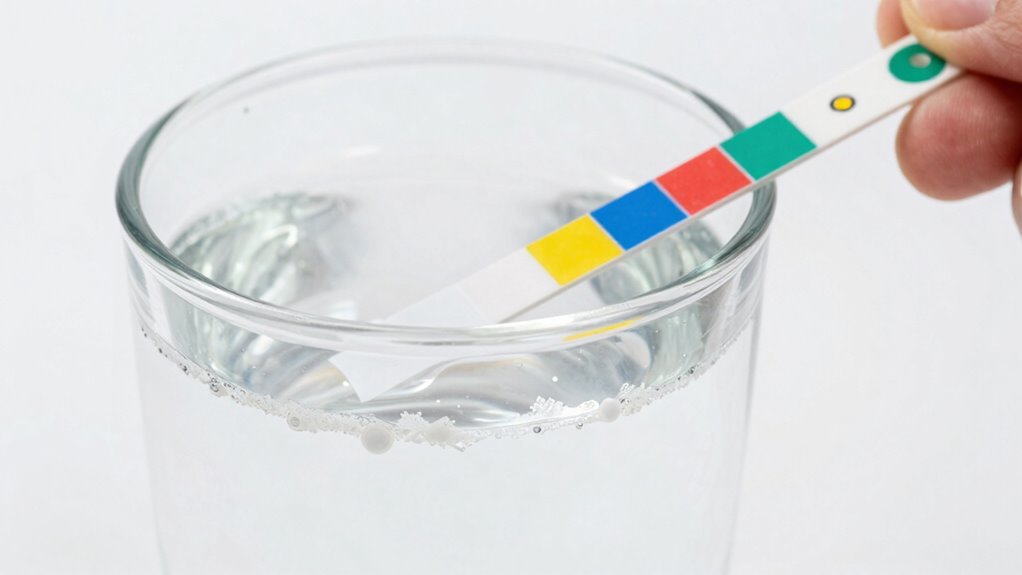
You can easily test your water hardness at home using simple test kits that provide quick results. Learning how to use soap effectively helps you identify hardness levels without extra tools. Once you have your results, interpreting them accurately guarantees you understand your water’s mineral content and what steps to take next. Understanding water hardness can help you decide whether you need to invest in additional water treatment solutions. Recognizing scaling and softening effects on plumbing and appliances further emphasizes the importance of proper water testing. Additionally, knowing the maintenance requirements for natural pools and water systems ensures your backyard environment remains healthy and inviting. Regular testing and maintenance can prevent damage caused by scale buildup, helping you extend the lifespan of your plumbing and appliances. Being aware of filtration systems can also improve your water quality and reduce the impact of hard minerals.
Simple Test Kits
Simple test kits make it easy to check water hardness right at home. They are affordable, user-friendly, and provide quick results, helping you identify calcium buildup and other mineral levels. When using a test kit, follow these steps:
- Collect a water sample in the provided container.
- Add the reagent drops as instructed to initiate mineral testing.
- Match the color change to the chart to determine your water’s hardness level.
- Understanding water chemistry can help you interpret test results more accurately and take appropriate action.
This process helps you understand mineral content, especially calcium, which causes scaling and buildup in appliances. Regular testing can prevent damage and improve maintenance by giving you a clear picture of your water’s hardness. With simple test kits, you can stay proactive and keep your home systems functioning smoothly.
Using Soap Effectively
Testing how soap interacts with your water is an effective way to assess its hardness. If soap lathers easily and creates abundant foam, your water is likely soft. Conversely, minimal lather indicates hard water, which hampers cleaning effectiveness. To test at home, simply add a few drops of soap to a container of water and observe the results.
| Soft Water | Hard Water |
|---|---|
| Rich, thick soap lather | Thin, barely visible foam |
| Easy rinsing and cleaning | Residue and soap scum |
| Better cleaning results | Difficult cleaning, soap scum buildup |
Interpreting Results
To interpret your home soap test results, observe the amount and appearance of foam produced when soap interacts with your water. Minimal foam indicates hard water, while abundant foam suggests soft water. For a clearer mineral analysis, consider these steps:
- Record the foam’s duration and consistency to gauge mineral content.
- Compare your results with a water hardness chart to classify your water.
- Use a test kit or simple titration method for more precise water testing.
- Remember that water chemistry can influence skin hydration, which may indirectly affect water interaction with soap.
Water Treatment Options to Soften Hard Water
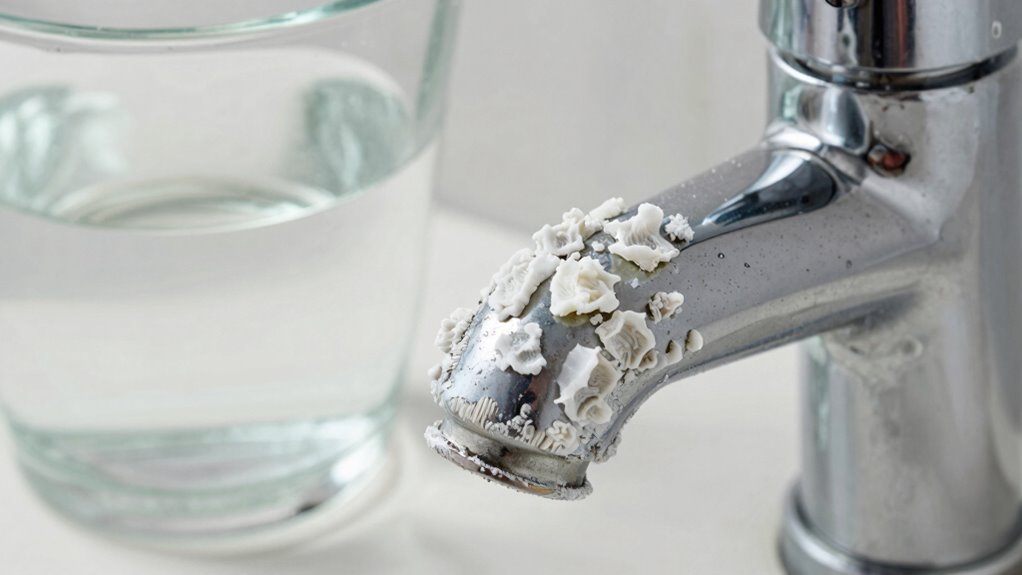
When it comes to softening hard water, several effective treatment options are available to suit different needs and budgets. One common choice is ion exchange water softeners, which replace calcium and magnesium ions with sodium, helping prevent corrosion in pipes and appliances. Reverse osmosis systems also soften water by filtering out minerals, providing pure, mineral-free water. Water filtration methods, like activated carbon filters, can reduce some hardness minerals but are less effective for significant hardness; however, they improve water quality and protect plumbing. If corrosion prevention is a priority, choosing a treatment that reduces mineral buildup is essential. You might also consider combined systems that incorporate filtration and softening, offering extensive protection and maintaining appliance longevity.
Simple DIY Tips to Prevent Scale in Your Plumbing
Preventing scale buildup in your plumbing is easier when you take simple DIY steps to manage hard water. Regular DIY maintenance can keep your pipes flowing smoothly. Here are three plumbing tips to help prevent scale:
- Install a scale-reducing filter – This catches minerals before they deposit in your pipes.
- Clean aerators and showerheads – Remove mineral buildup that restricts water flow.
- Flush your water heater annually – This prevents sediment from forming and damaging the system.
These easy steps can reduce mineral accumulation, prolong your plumbing’s lifespan, and lower maintenance costs. Incorporate these DIY maintenance routines into your regular home care, and you’ll minimize scale buildup without professional help. Staying proactive with simple plumbing tips keeps your water flowing clean and clear.
How to Choose the Right Water Softener for Your Home
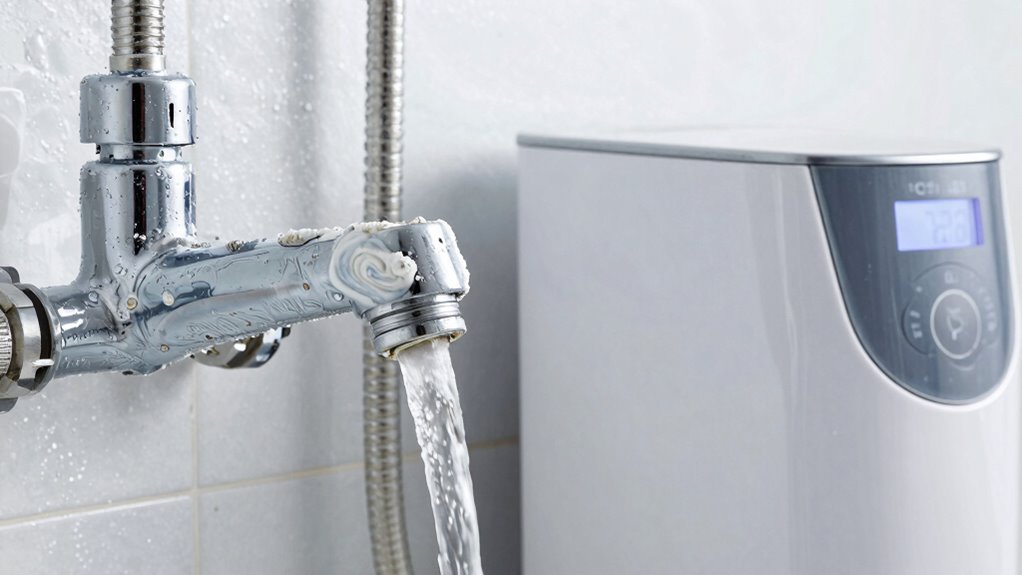
Choosing the right water softener helps maintain the benefits of your DIY efforts by effectively reducing mineral buildup in your plumbing. When selecting a softener, consider the size and capacity based on your household’s water usage and hardness levels. Think about water softener installation options—some models are easier to install yourself, while others may require professional help. Cost considerations are also important; initial purchase price varies, but don’t forget to factor in long-term expenses like maintenance and salt. Look for models with features that suit your needs, such as regeneration cycles or digital controls. By carefully evaluating these factors, you’ll ensure your softener efficiently protects your plumbing and appliances without overspending.
Maintaining Your Water Softener for Best Performance
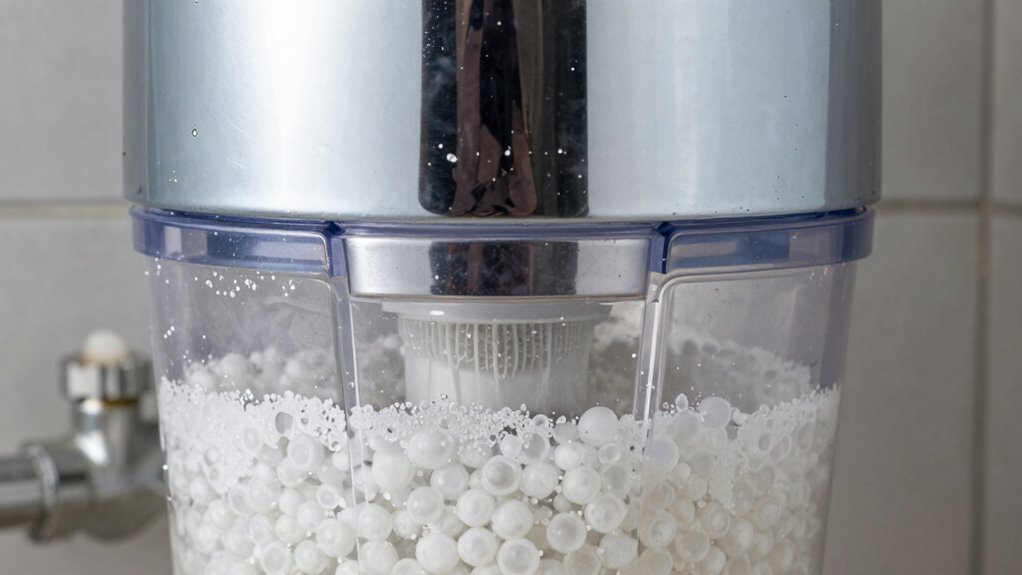
To keep your water softener functioning at its best, regular maintenance is essential. Proper upkeep ensures ideal water filtration and prevents scaling issues. Here are three key steps:
Regular water softener maintenance ensures optimal performance and prevents scaling issues.
- Check salt levels monthly and refill as needed to maintain efficient ion exchange.
- Clean the brine tank annually to prevent salt bridging and buildup.
- Schedule periodic plumbing maintenance to inspect for leaks or blockages that could hinder performance.
Troubleshooting Your Water Softener and When to Call an Expert
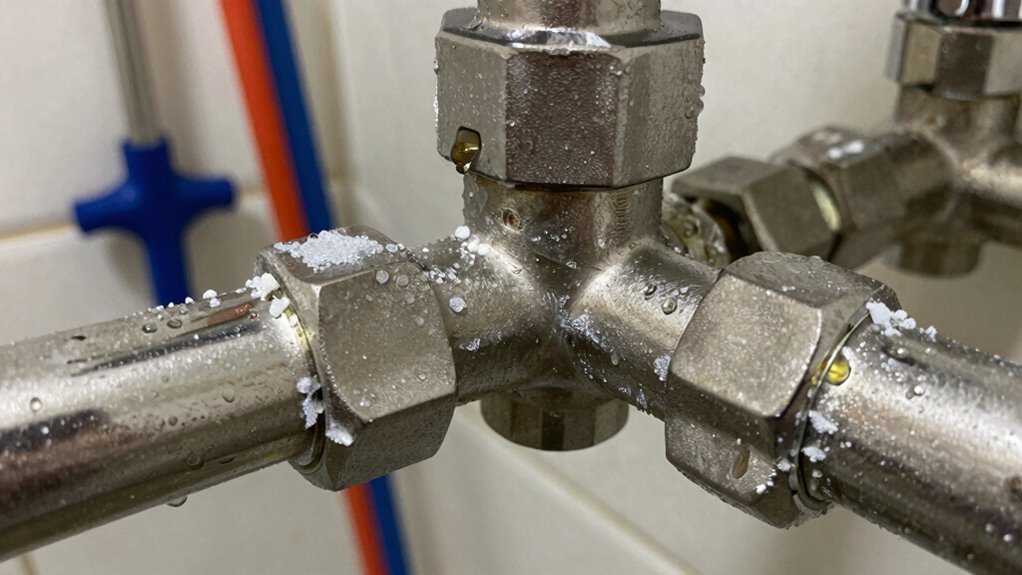
Even with regular maintenance, your water softener can sometimes encounter issues that require troubleshooting. If you notice water mineral buildup around the unit or a decline in softening performance, it’s time to investigate. Softening system troubleshooting involves checking for salt bridges, ensuring the resin bed isn’t fouled, and verifying the regeneration cycle runs correctly. Common signs include hard water spots, decreased flow rate, or strange odors. If these problems persist despite basic fixes, it’s best to call an expert. A professional can identify underlying issues like grain fouling or valve malfunctions that aren’t easily visible. Addressing water mineral buildup early prevents costly repairs and keeps your softening system running efficiently. Remember, timely troubleshooting saves you money and ensures consistently soft water.
Frequently Asked Questions
Can Hard Water Affect Skin and Hair Health?
Yes, hard water can affect your skin and hair health. It often causes skin irritation, making your skin feel dry, itchy, or flaky. For your hair, hard water can lead to damage, leaving it dull, brittle, and harder to manage. The minerals in hard water build up on your skin and hair, so consider using softening treatments or moisturizing products to protect yourself from these effects.
What Are the Environmental Impacts of Water Softening Methods?
Water softening methods can impact the environment through increased energy consumption and chemical runoff. You might not realize it, but ion exchange systems and other softening processes require energy, which contributes to greenhouse gas emissions. Additionally, chemical runoff from softening agents can pollute local waterways, harming aquatic life. To minimize environmental impact, consider eco-friendly options and efficient systems that reduce chemical use and energy needs.
How Often Should I Service My Water Softener System?
You should service your water softener system every 6 to 12 months to maintain ideal performance. Following a regular maintenance schedule helps prevent scale buildup and extends your system’s lifespan. Check salt levels, clean the brine tank, and inspect for any leaks or issues. Staying consistent with maintenance ensures your system operates efficiently, reduces energy costs, and helps avoid costly repairs down the line.
Are There Natural or Chemical Alternatives to Traditional Softening?
You might think there’s no way around chemical solutions or traditional softeners, but surprisingly, there are alternative methods! You can try natural options like adding baking soda or using ion exchange resins, which are gentler and eco-friendly. These alternatives help reduce mineral buildup without harsh chemicals, making your water softer naturally. It’s like giving your water a spa treatment—without the hefty price tag or chemical hangover!
What Are the Long-Term Costs of Maintaining a Water Softening System?
You’ll find that maintaining your water softening system can lead to ongoing costs like system replacement and increased energy consumption. Over time, parts may wear out, requiring replacements, and the system’s energy use can add up. While initial costs are upfront, expect to budget for these long-term expenses to keep your system running efficiently and avoid unexpected breakdowns that could lead to higher repair costs later.
Conclusion
By understanding hard water, testing your supply, and choosing the right treatment, you can prevent scale buildup, protect your appliances, and enjoy better water quality. Regular maintenance and simple DIY tips keep your system running smoothly, while troubleshooting ensures problems don’t escalate. Stay proactive, stay informed, and stay ahead—because with the right knowledge and care, you’ll enjoy soft water, fewer repairs, and a more comfortable home every day.