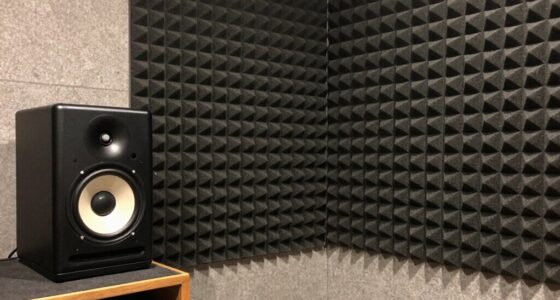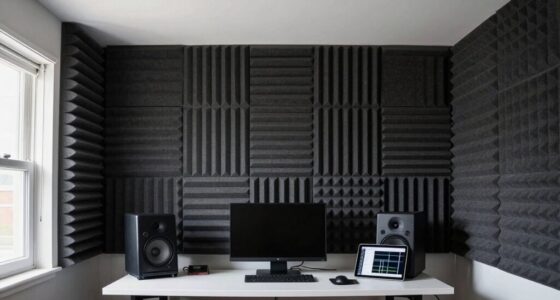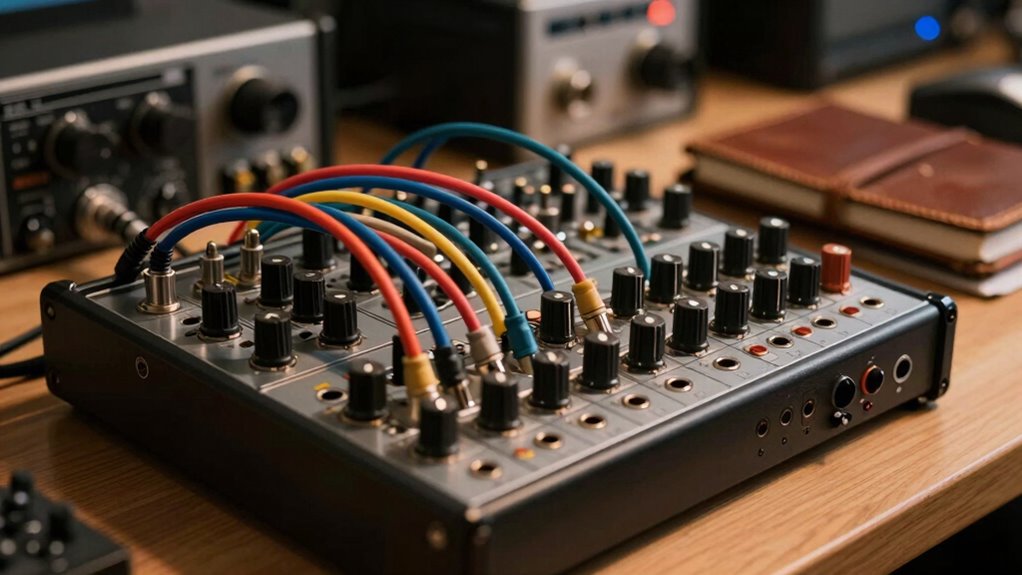

Many believe patchbays are only for large studios, but that’s a myth. In reality, they’re perfect for small spaces, helping you stay organized and reduce cable clutter. They make it easy to switch gear quickly, protect your equipment, and expand your setup as you grow. With a patchbay, you can streamline your workflow and experiment freely. Want to discover how you can benefit from one in your own studio? Keep exploring to find out more.

Get audio and creator gear delivered free with Prime
- Fast, free delivery on millions of items
- Prime Video, Amazon Music and more included
- Member-only deals all year
Key Takeaways
- Patchbays are cost-effective tools that improve organization and workflow in small studios, not just large facilities.
- They simplify signal routing and troubleshooting, making them valuable regardless of studio size.
- Small studios can easily integrate patchbays to optimize space and reduce cable clutter.
- Patchbays support hybrid setups, combining vintage and modern gear efficiently in small environments.
- Upgradable and scalable, patchbays grow with your studio, offering long-term benefits beyond large-scale installations.
As an affiliate, we earn on qualifying purchases.
What Is a Patchbay and How Does It Work?
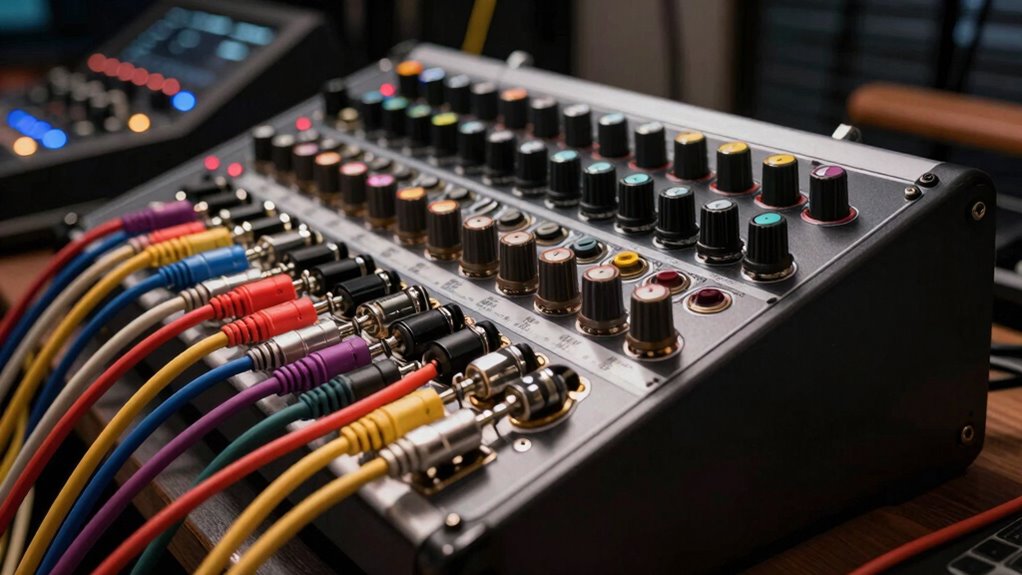
Have you ever wondered how studios keep their gear organized and easily connected? That’s where a patchbay comes in. It’s a central hub that simplifies connecting and routing audio signals, saving you from messy cables. A patchbay works by providing a set of jacks, where you can plug in your gear. When you want to route signals, you connect the jacks with patch cords, creating a flexible setup. Regular patchbay maintenance is vital to ensure signal integrity, preventing noise or loss. By keeping contacts clean and connections secure, you maintain high-quality audio transmission. This setup not only streamlines your workflow but also makes troubleshooting easier. A well-maintained patchbay guarantees your studio runs smoothly, offering quick access and reliable connections for all your equipment. Understanding studio gear organization is essential for optimizing your workflow and maintaining a professional sound. Proper patchbay setup can significantly improve your ability to adapt and expand your studio’s capabilities over time. Additionally, applying proper maintenance techniques can extend the lifespan of your patchbay and ensure consistent performance. Maintaining clean contacts and understanding the role of patchbays in signal routing is crucial for achieving optimal audio quality. Recognizing the importance of arcade classics can also inspire a nostalgic appreciation for the evolution of gaming technology.
Why Small Studios Need a Patchbay for Better Organization
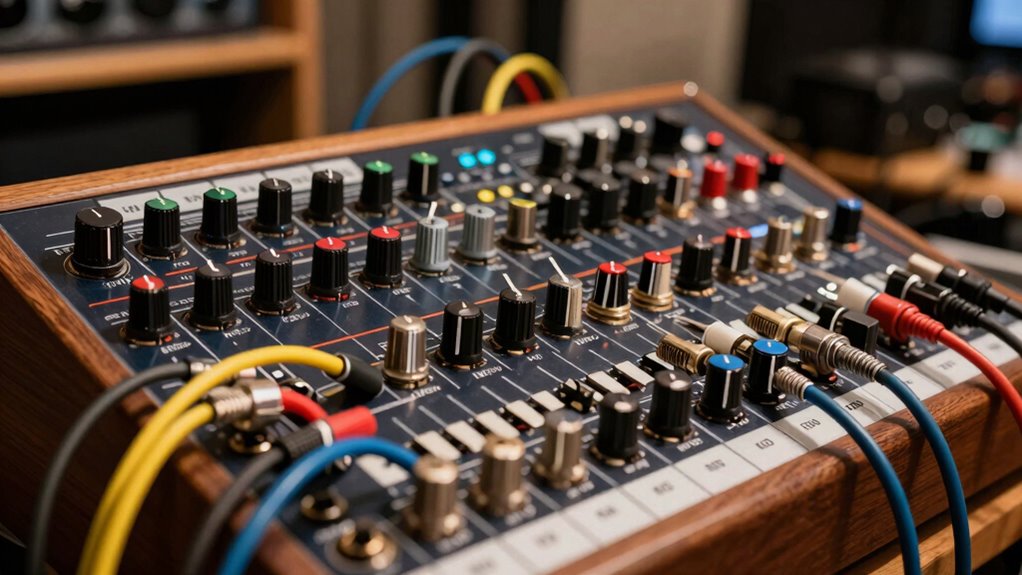
Even in small studios, a patchbay is essential for keeping your setup organized and efficient. It helps you quickly connect vintage microphones and manage your acoustic treatment without clutter. With a patchbay, you can easily switch between different gear, saving time and reducing mistakes. It also protects your equipment by minimizing wear and tear from constant plugging and unplugging. Plus, it streamlines your workflow, so you spend more time creating. Incorporating car protection accessories like protective covers can also safeguard your gear from dust and damage when not in use.
How to Pick the Right Patchbay for Your Small Studio
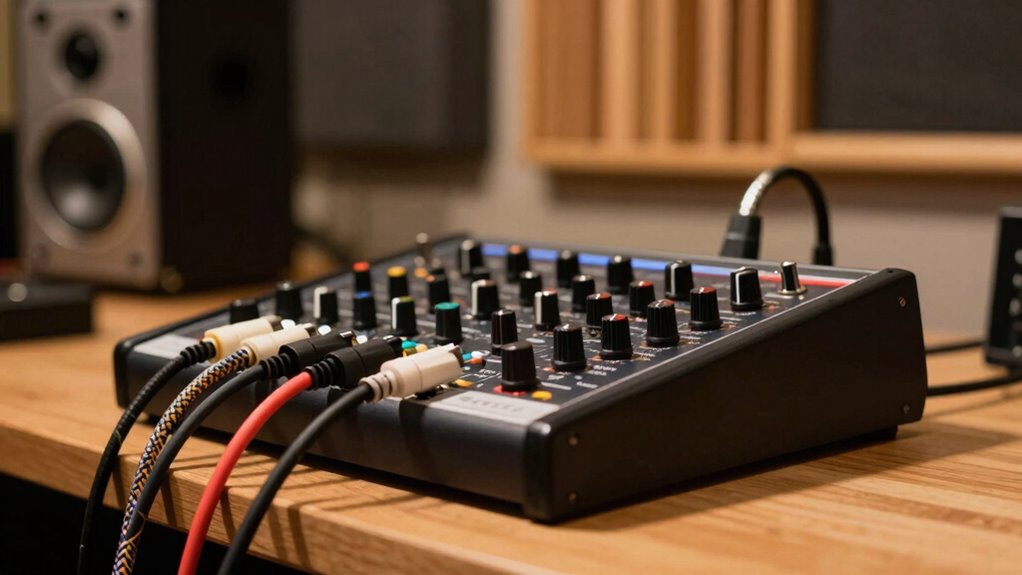
Choosing the right patchbay for your small studio depends on understanding your specific needs and workflow. If you work with vintage gear, look for a patchbay with high-quality connectors and good grounding to preserve signal integrity. Consider if you need a balanced or unbalanced setup based on your equipment. For studios with acoustic treatment, a patchbay can help route signals efficiently without cluttering your space. Think about your future expansion—select a patchbay with enough I/O options to grow. Also, decide between a patchbay with front and back access or one with only front panels for easier troubleshooting. Ultimately, pick a patchbay that complements your gear, fits your space, and streamlines your workflow, making your small studio more functional and organized. Incorporating quality assurance principles can help ensure your setup remains reliable and efficient as you scale.
How to Set Up a Patchbay in Your Home Studio
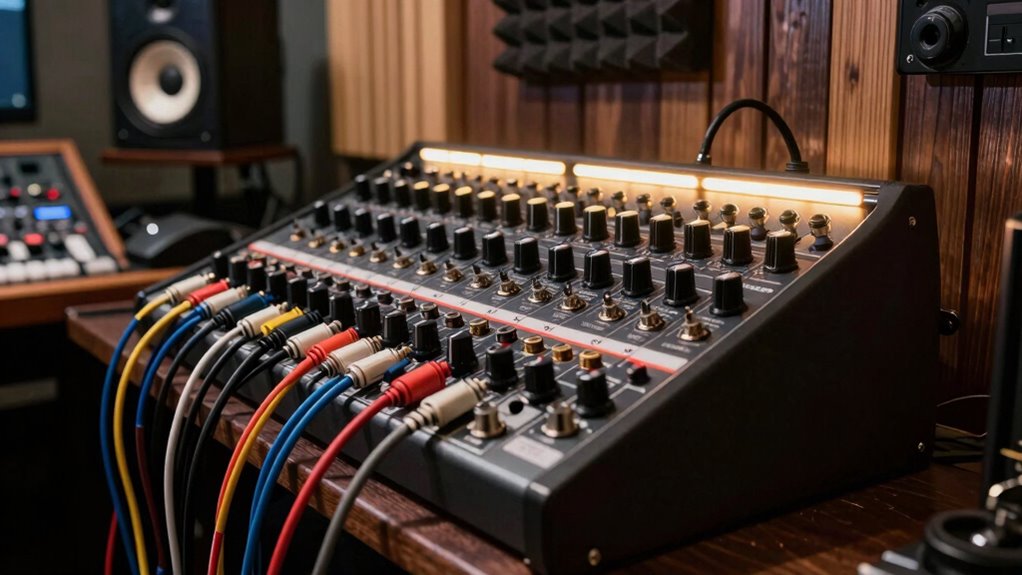
Setting up a patchbay in your home studio can considerably improve your workflow by making it easier to route signals and access your gear. Whether you’re integrating vintage gear or optimizing your acoustic treatment, a patchbay simplifies complex connections. Start by labeling your inputs and outputs clearly, then connect your gear to the patchbay’s jacks. Organize your setup to minimize cable clutter and maximize accessibility.
- Feel the satisfaction of quick, seamless signal routing during sessions
- Experience the confidence of easily switching between vintage gear and modern equipment
- Reduce stress with a clean, organized workspace that boosts creativity
- Enjoy the streamlined workflow that lets you focus on making great music instead of wrestling tangled cables
Debunking Myths About Patchbays in Small Studios
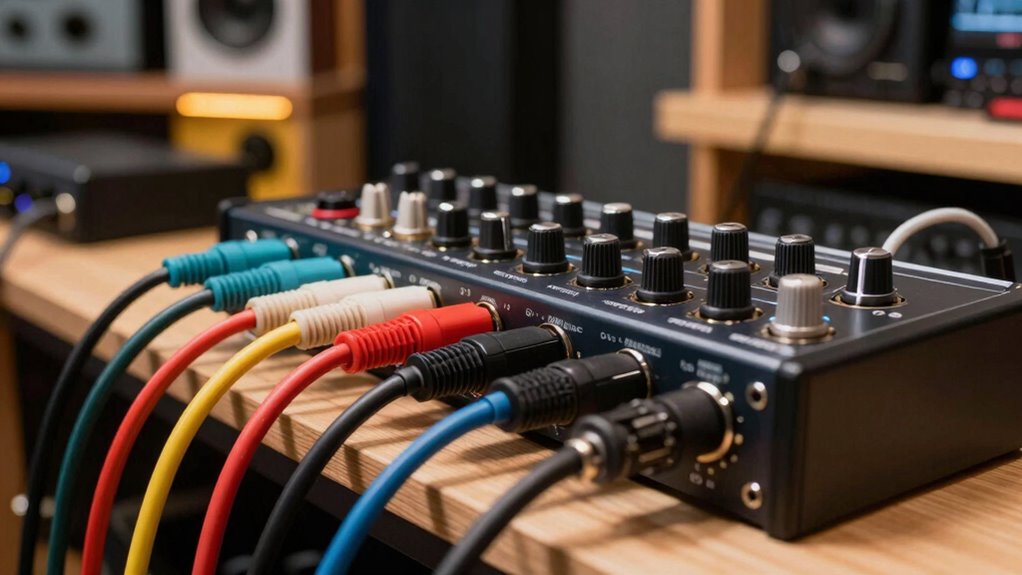
Many small studio owners believe patchbays are expensive or complicated, but they actually offer a cost-effective way to manage audio signals. They also save space and keep your setup organized, making your workflow smoother. Additionally, understanding decoding slang related to audio equipment can help beginners navigate setup instructions and troubleshooting more confidently. A well-designed patchbay can also facilitate creative routing options, especially when integrating outdoor appliances like outdoor ovens or fire pits to expand your studio’s environment. Let’s clear up these common myths and see how patchbays can truly benefit your studio.
Cost-Effective Audio Routing
Despite common misconceptions, patchbays can be a cost-effective solution for audio routing in small studios. They streamline your workflow, reducing the need for excessive patch cords or complex wiring. By organizing connections with a patchbay, you save time and avoid damage to vintage gear, ensuring your prized equipment stays pristine. Plus, with proper acoustic treatment, your studio becomes more efficient, making the most of every dollar spent. Patchbays eliminate the need for multiple mixers or routing hardware, lowering costs while increasing flexibility. They also allow quick reconfigurations, saving you hours during sessions.
- Feel the satisfaction of a tidy, professional setup that inspires creativity
- Protect your vintage gear from unnecessary wear and tear
- Maximize your small space with efficient routing
- Experience faster workflows and fewer frustrations
Space-Saving Setup Benefits
A common myth is that patchbays take up a lot of space, making them unsuitable for small studios. In reality, they can help you save space by organizing your vintage gear and reducing clutter. Instead of multiple cables running across your setup, a patchbay consolidates connections into a compact panel, freeing up desk or rack space. This streamlined layout allows you to optimize your acoustic treatment, as you can position monitors and soundproofing more effectively without tangled wires crowding the room. Additionally, with a patchbay, you avoid the need for extra patch cords cluttering your workspace, making your studio feel more open and manageable. Overall, a patchbay enhances space efficiency, even in tight environments, while supporting your vintage gear collection.
Simplifying Signal Management
While some believe patchbays complicate signal routing, in reality, they simplify your workflow by centralizing connections. Instead of juggling cables behind vintage gear or struggling to find the right input, a patchbay streamlines your setup. It allows quick re-routing, reducing setup time and minimizing errors, especially when integrating acoustic treatment tools or vintage equipment. You gain better control over your signal flow, making troubleshooting faster and more efficient. This setup encourages experimentation without chaos, empowering you to craft your sound more intuitively. You’ll experience a sense of order and confidence in your studio.
- Effortlessly switch between vintage gear and new plugins
- Save time during session changes
- Reduce cable clutter and accidental disconnections
- Create a cleaner, more inspiring workspace
How a Patchbay Boosts Your Workflow and Creativity
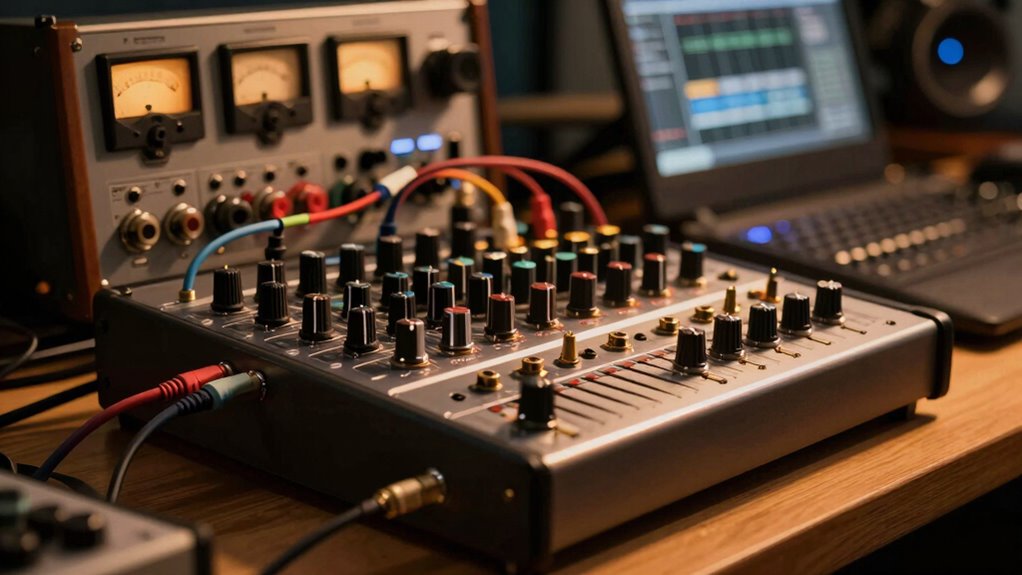
A patchbay makes it easier to route signals exactly how you want, giving you more flexibility to experiment with your setup. This quick access sparks your creativity by removing technical barriers and encouraging new ideas. Plus, it streamlines your workflow, so you spend less time troubleshooting and more time making music. Incorporating smart home gear can further enhance your creative environment by automating routine tasks and improving overall efficiency.
Enhances Signal Routing Flexibility
Effective signal routing is essential for a smooth workflow, and a patchbay makes this process more flexible than ever. With a patchbay, you can easily switch between vintage equipment and modern gear without constantly unplugging and re-plugging cables. This flexibility simplifies cable management, reducing clutter and minimizing signal loss. You gain quick access to different signal paths, enabling seamless experimentation and real-time adjustments. Imagine effortlessly connecting your compressor, EQ, or effects to various audio sources, boosting your creative potential. By organizing your setup efficiently, you save time and focus more on the music. A patchbay gives you the power to adapt instantly, making your studio more dynamic and responsive.
- Feel the freedom to experiment without hassle
- Experience faster workflow shifts
- Enjoy a cleaner, more organized space
- Open new creative possibilities
Sparks Creative Experimentation
By simplifying the process of connecting and disconnecting equipment, a patchbay encourages you to experiment more freely with your setup. This ease of access sparks creative sound design, allowing you to explore unique signal paths without hassle. Whether you’re working with analog gear or digital plugins, a patchbay makes it simple to swap components and test different configurations quickly. This flexibility inspires you to push boundaries, blending analog warmth with digital clarity, or combining both for hybrid sounds. Instead of being limited by cumbersome cabling, you can focus on crafting innovative tones and textures. The streamlined workflow fosters spontaneous ideas and rapid iteration, turning your studio into a playground for creative exploration. Ultimately, a patchbay empowers you to experiment boldly and develop your unique sonic signature.
Streamlines Studio Workflow
Simplifying connections with a patchbay doesn’t just make experimentation easier—it transforms your entire workflow. With quick access to vintage gear and seamless routing, you save time and stay immersed in your creative flow. A well-organized patchbay reduces clutter, letting you focus on sound design instead of tangled cables. It also makes integrating acoustic treatment components easier, ensuring your space remains optimized for inspiration. Plus, switching between different setups becomes effortless, boosting your productivity. Incorporating efficient recovery methods can further enhance your workflow by maintaining your energy and creativity levels throughout long sessions.
- Feel the freedom to experiment without getting bogged down in cables
- Experience faster session changes, keeping your creative momentum alive
- Enjoy a clutter-free space that sparks inspiration and clarity
- Connect your vintage gear effortlessly, elevating your sound to new heights
Troubleshooting Common Patchbay Problems in Small Studios
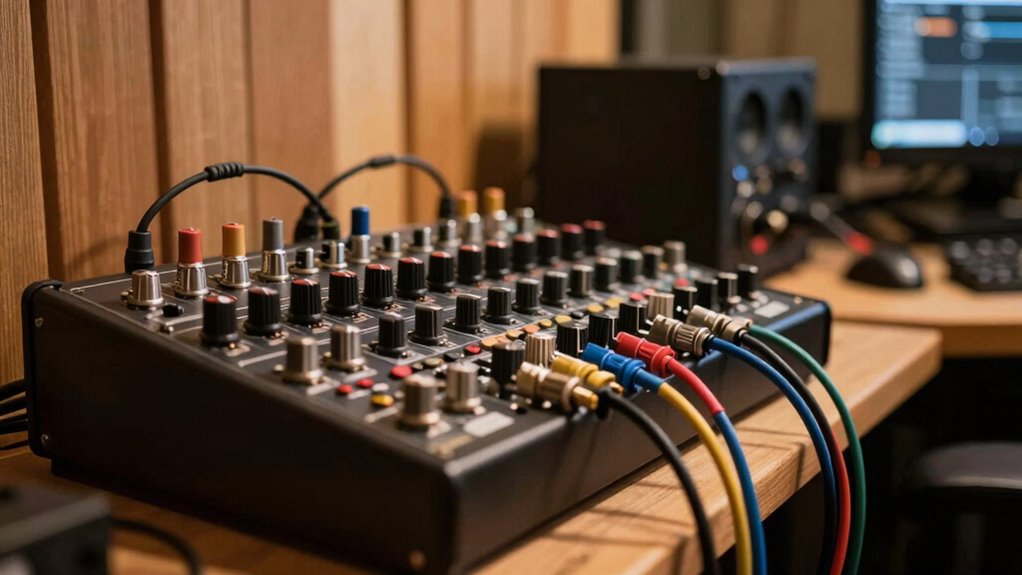
Troubleshooting patchbay issues in small studios often starts with a systematic approach to identify where the problem lies. Begin by checking your vintage gear connections, as aged components can cause signal loss or noise. Confirm all cables are securely plugged in and free of damage. Next, verify your patchbay wiring—loose or incorrect connections are common culprits. Consider your acoustic treatment; excessive reflections or background noise can mask issues or cause misdiagnosis. If signals are weak or distorted, isolate sections by bypassing the patchbay temporarily. Test with known-good cables and equipment. Regularly clean your patchbay contacts to prevent corrosion. Additionally, understanding the patchbay layout can help you troubleshoot more effectively. Proper cable management and documentation of your connections can make diagnosing issues faster. Maintaining a well-organized setup can also help prevent issues caused by connection errors. Addressing these areas methodically can quickly pinpoint issues, saving time and reducing frustration in your small studio setup.
Affordable Patchbay Solutions for Small Studio Owners
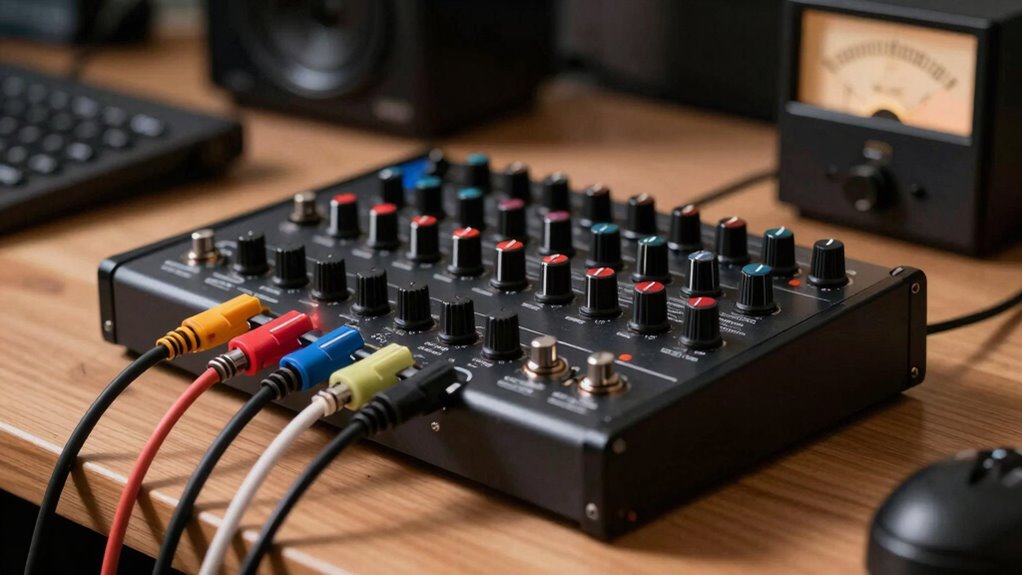
For small studio owners, finding an affordable patchbay that balances cost and functionality is essential to streamline your workflow without breaking the bank. You don’t need expensive equipment to achieve professional results—smart choices make all the difference. Incorporate vintage gear to add character without overspending, and remember that proper acoustic treatment enhances your sound quality. A budget-friendly patchbay allows you to organize your setup efficiently, saving time and reducing clutter. Think beyond the price tag—opt for durable, easy-to-use options that fit your space and needs. Using safety gear like rear radar lights can also help protect your equipment during setup and adjustments. Additionally, understanding soundproofing techniques can improve your overall studio environment by minimizing unwanted noise interference. Exploring measurement tools like pH meters and ORP testers can help ensure your equipment and environment are maintained at optimal levels, contributing to a more reliable and professional studio setup. Incorporating proper cable management practices is also crucial for maintaining a clean and efficient workspace, reducing the risk of damage and signal interference.
When to Upgrade Your Patchbay and How to Scale Your Studio
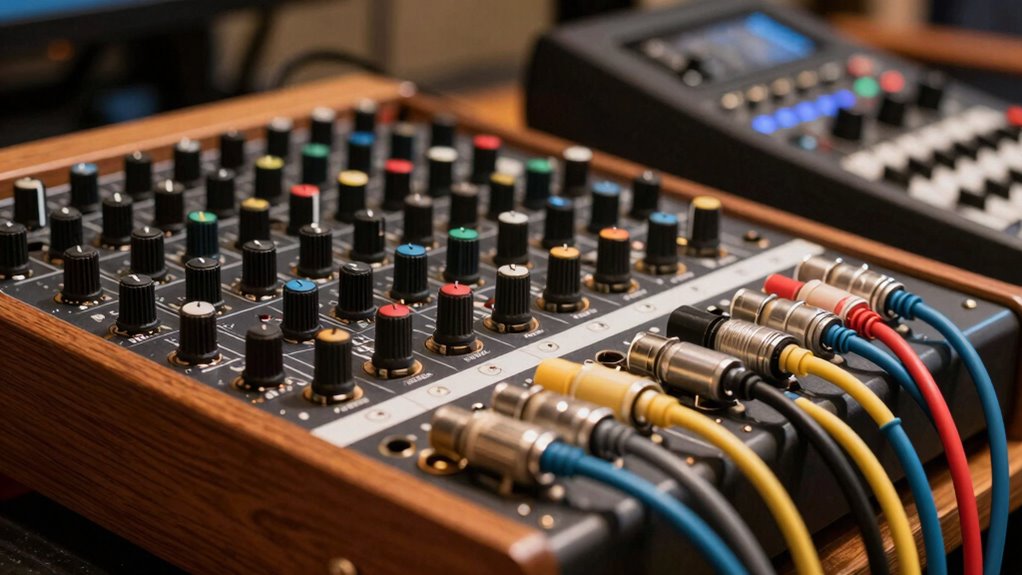
Knowing when it’s time to upgrade your patchbay and scale your studio can make a significant difference in your workflow and sound quality. If you’re working with vintage gear, upgrading ensures compatibility and maintains signal integrity, especially as your collection grows. Pay attention to your current setup: if you’re experiencing frequent noise or connection issues, it’s a sign to upgrade. As your studio expands, adding more gear or integrating acoustic treatment becomes essential for ideal sound. Scaling isn’t just about more gear—consider a patchbay that supports future expansion. This way, you can keep your workflow organized and efficient. Upgrading thoughtfully allows you to preserve the character of vintage gear while improving your overall studio environment.
Frequently Asked Questions
Can a Patchbay Improve Audio Quality in Small Studios?
Yes, a patchbay can improve audio quality in your small studio by helping you organize and quickly access your equipment, enhancing equipment ergonomics. It reduces cable clutter, minimizing interference and signal degradation caused by poor wiring. Additionally, a well-organized patchbay allows you to optimize your studio acoustics by easily switching setups, ensuring cleaner sound and better control over your recordings. This makes your workflow smoother and audio clearer.
Are Patchbays Compatible With Digital Audio Workstations (DAWS)?
Yes, patchbays are compatible with digital audio workstations (DAWs). They facilitate analog connectivity and simplify signal routing, making your workflow more efficient. You connect your hardware gear to the patchbay, then route signals easily to your DAW interface, reducing clutter and increasing flexibility. Whether you’re working with outboard gear or audio interfaces, patchbays streamline your setup, ensuring smooth integration between analog equipment and digital systems.
How Much Does a Typical Patchbay Cost for Small Studios?
A typical patchbay for small studios costs between $50 and $200, making it a cost-effective solution for improving studio ergonomics. You’ll find options that suit various needs and budgets, helping streamline your workflow and connect gear efficiently. Investing in a patchbay enhances organization, reduces cable clutter, and simplifies signal routing, all without breaking the bank. It’s a smart addition for any small studio aiming for professional sound and setup flexibility.
Do All Patchbays Support Both Balanced and Unbalanced Connections?
Not all patchbays support both balanced and unbalanced connections, but many do. You just need to check the cable configurations and specifications before buying. Supporting both types makes signal routing flexible, especially for small studios handling different gear. Don’t assume all patchbays are universal; some are specialized. Look for options explicitly designed for both, so you can connect your equipment without hassle or signal loss.
Is Professional Installation Necessary for Small Studio Patchbays?
You don’t always need professional installation for small studio patchbays, but proper setup guarantees reliable performance. If you’re comfortable, you can handle patchbay troubleshooting and maintenance yourself, saving money and gaining hands-on knowledge. Just follow instructions carefully, check connections regularly, and keep the patchbay clean. For complex issues, consulting an expert might be wise, but routine maintenance is manageable on your own to keep your studio running smoothly.
Conclusion
So, next time you scoff at patchbays, picture your studio as a spaceship—cluttered wiring like alien tentacles, chaos reigning supreme. With a patchbay, you’re the calm captain, effortlessly rerouting signals like a pro. Don’t let your gear turn into a tangled jungle; embrace the organized cosmos of a well-placed patchbay. After all, chaos is only fun in sci-fi movies, not in your home studio. Get patching and conquer the audio universe!
Halloween Picks
halloween
As an affiliate, we earn on qualifying purchases.