

Harsh-sounding voice recordings mainly happen because of reflections bouncing off hard surfaces like walls, glass, or metal, which create echoes and distort the sound. These reflections amplify high frequencies, making your voice sharp and unpleasant. By controlling room surfaces and using acoustic treatment like soft materials and diffusers, you can reduce these reflections and improve clarity. Keep exploring to find out more tips on how to warm up your voice and optimize your setup for better sound quality.

Get audio and creator gear delivered free with Prime
- Fast, free delivery on millions of items
- Prime Video, Amazon Music and more included
- Member-only deals all year
Key Takeaways
- Reflective surfaces like hard walls and glass bounce sound waves, creating echoes that amplify high frequencies and cause harshness.
- Excessive room reflections and echoes lead to muddled, unpleasant vocal recordings with reduced clarity.
- Proper acoustic treatment with diffusers, absorbers, and soft furnishings minimizes reflections and smooths sound quality.
- Close microphone placement reduces room reflections, capturing direct sound and preventing harsh reverberations.
- Post-production equalization and gentle reverb can soften harsh sounds caused by reflection issues.
acoustic treatment panels for recording studio
As an affiliate, we earn on qualifying purchases.
As an affiliate, we earn on qualifying purchases.
Why Do Voice Recordings Sound Harsh? The Reflection Problem Explained

When you listen to voice recordings and notice they sound harsh or grating, it’s often due to a phenomenon known as the reflection problem. This issue affects your vocal tone, making it sound unpleasant or overly sharp. The recording environment plays a key role here; reflective surfaces bounce sound waves back into the microphone, creating unwanted echoes and distortions. These reflections interfere with the direct sound of your voice, amplifying harshness and reducing clarity. Additionally, understanding how sound reflections impact recordings can help you identify the root cause of harsh tones. Controlling reflections can help you achieve a smoother, more natural vocal tone, making your recordings sound professional and pleasant. Recognizing the importance of digital concepts in sound recording can further improve your understanding of acoustic environments and sound reflection management techniques.
How Room Surfaces and Acoustics Worsen Harshness
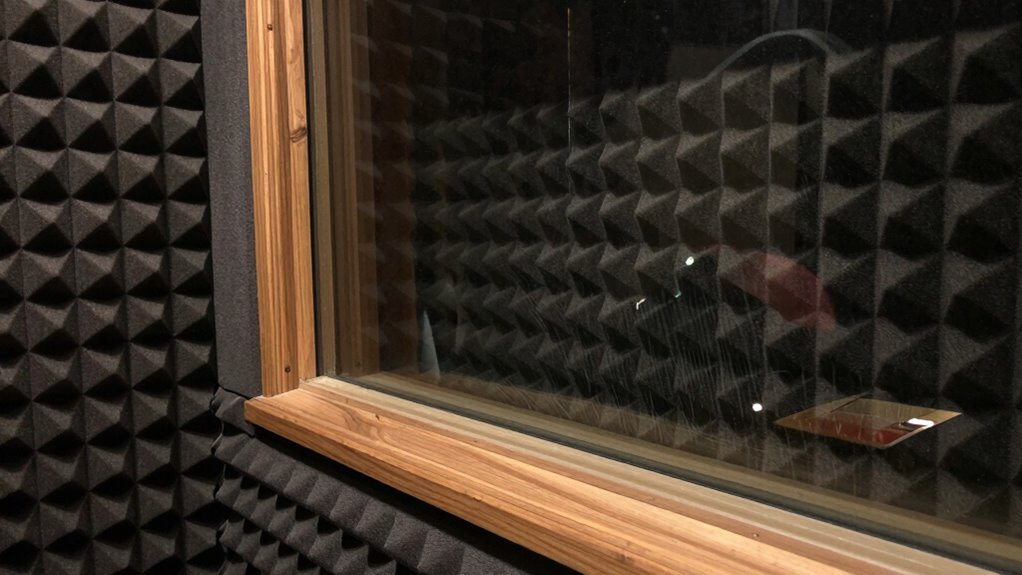
When your room has reflective wall surfaces and hard materials, sound waves bounce around, creating excessive echoes and harshness in recordings. These surfaces amplify high frequencies, making voices sound sharper and more unpleasant. Understanding how room acoustics influence sound can help you reduce harshness and improve recording quality. Using appropriate measurement tools can help you identify problematic surfaces and optimize your space for better sound. Additionally, applying acoustic treatment such as diffusers or absorbers can significantly diminish unwanted reflections and improve overall sound clarity. Recognizing how room surfaces impact sound quality is essential for achieving a balanced and clear recording environment. Being aware of the reflection problem can guide you in choosing the right solutions to enhance your recording setup, especially since acoustic environment plays a crucial role in sound fidelity.
Reflective Wall Surfaces
| Surface Type | Effect on Sound Quality |
|---|---|
| Decorative Paneling | Increases reflections, harshness |
| Textured Walls | Reflects sound, worsens harshness |
| Soft Fabrics | Absorbs sound, softens tone |
| Acoustic Panels | Reduce reflections, improve clarity |
| Carpets and Curtains | Dampen sound, reduce harshness |
| Properly designed surfaces with sound absorption techniques can help minimize sound reflections and improve overall acoustic quality.
Excessive Room Echoes
Reflective wall surfaces, such as decorative paneling and textured walls, can considerably amplify room echoes, making recordings sound harsher and more distorted. Excessive room echoes occur when sound waves bounce repeatedly between hard surfaces, creating a muddy, overwhelming sound. To combat this, proper room treatment is essential. Installing acoustic panels helps absorb sound energy, reducing reflections and echo. These panels prevent sound waves from bouncing uncontrollably, resulting in clearer, more natural recordings. You should focus on strategically placing acoustic panels in areas where reflections are strongest, like behind the microphone and along parallel walls. By controlling room acoustics with effective treatment, you diminish harshness caused by excessive echoes, ensuring your voice recordings sound professional and pleasant to listen to.
Hard Material Effects
Hard surfaces like concrete, glass, and metal reflect sound waves more efficiently than soft materials, which can considerably worsen the harshness of voice recordings. These reflective surfaces reduce material absorption, causing sound to bounce excessively instead of dissipating. This can lead to recordings that sound overly bright, shrill, and uncomfortable to listen to. Additionally, hard materials hinder sound diffusion, creating uneven reflections that emphasize certain frequencies, making harshness more prominent. To improve your recordings, you should incorporate softer materials or acoustic treatments that increase material absorption, reducing reflective echoes. Using diffusers or soft furnishings helps scatter sound waves evenly throughout the space. By controlling these hard material effects, you can create a more balanced, natural sound with less harshness. Understanding room acoustics is essential for optimizing your recording environment and minimizing harshness.
Understanding How Reflections Amplify Certain Frequencies

When sound waves bounce off room surfaces, they can boost specific frequencies, making harshness more noticeable. This reflection process often amplifies certain tones, altering the overall sound quality. This is why room acoustics play a crucial role in how sound is perceived. As a result, your room’s acoustics directly impact how clear or harsh your recordings sound. Incorporating natural light and wellness-focused decor can help create a more balanced and comfortable environment that reduces unwanted reflections and enhances sound clarity. Understanding sound wave behavior can further help in designing spaces that minimize these reflections for better sound quality, especially when considering how room surfaces influence sound reflection and absorption. Additionally, selecting appropriate paint sprays and finishes can improve acoustic treatment by reducing surface reflectivity and controlling echo.
Surface Reflections Enhancing Frequencies
Surface reflections occur when sound waves bounce off surfaces near a recording environment, causing certain frequencies to become amplified. The textures of these surfaces influence how sound diffuses, affecting which frequencies are boosted. Smooth, hard surfaces like glass or metal reflect sound more directly, increasing the prominence of specific frequencies and potentially making recordings sound harsher. Conversely, irregular or textured surfaces scatter sound waves, reducing focused reflections and creating a more balanced sound. Understanding how surface textures affect sound diffusion helps you recognize how reflections can unintentionally amplify harsh frequencies. Proper surface management can significantly reduce unwanted reflections and improve overall audio clarity. These surface reflections, especially on reflective materials, can intensify certain parts of your voice, contributing to a cluttered or overly bright sound. Managing surface textures around your recording space is essential for achieving clearer, more natural recordings.
Room Acoustics Impact Sound Clarity
Reflections within a room shape how your voice is perceived by influencing which frequencies get emphasized. Poor speaker placement or a small room size can cause sound waves to bounce excessively, creating echoes that amplify certain frequencies. These reflections can make your voice sound harsh or muddled, reducing clarity. When your speakers are too close to walls or in a cramped space, sound waves reflect back quickly, increasing the prominence of problematic frequencies. Conversely, a well-placed speaker in a larger room minimizes unwanted reflections, allowing your voice’s natural qualities to shine through. Understanding how room acoustics impact sound clarity helps you optimize speaker placement and room size, ensuring your recordings are clear, balanced, and free from harsh, distracting echoes.
Simple Tips to Reduce Reflections and Warm Up Your Voice

To reduce reflections and warm up your voice effectively, start by controlling your recording environment. Use soft materials like blankets, cushions, or foam panels to absorb sound reflections and prevent harsh echoes. Proper room setup minimizes unwanted reverberations and creates a clearer sound. Incorporate voice training exercises daily to loosen up your vocal cords and improve tone. Consistent warm-ups, like humming or lip trills, prepare your voice for recording and reduce strain. Consider equipment upgrades such as a quality microphone and pop filter, which help capture a warmer, more natural sound while filtering out harsh reflections. These simple steps make a significant difference, ensuring your recordings sound professional and inviting from the start. Paying attention to design details like room acoustics can also enhance overall sound quality.
Choosing the Best Space for Natural, Clear Recordings
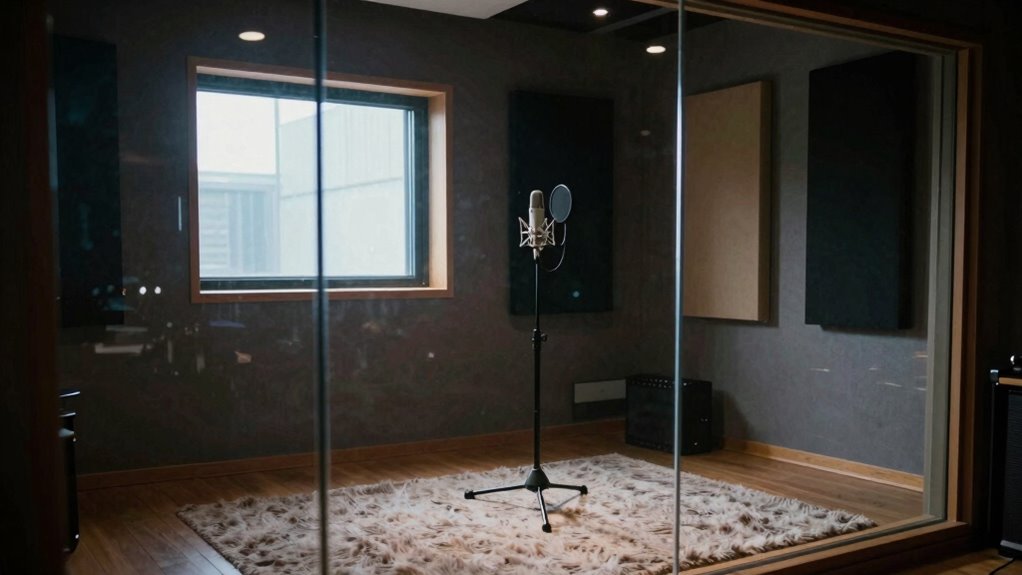
Choosing the right space for recording can dramatically improve the clarity and naturalness of your audio. Start by selecting a quiet room with minimal background noise, as this helps your voice stand out without distractions. Pay attention to speaker placement—position yourself at a consistent distance from the microphone, ideally about 6-12 inches, to avoid harshness and guarantee balanced sound. Avoid placing yourself near reflective surfaces like windows or hard walls, which can create unwanted echoes and reflections. Soft furnishings, carpets, and curtains can help absorb sound and reduce reflections, making your recordings sound warmer and more natural. Incorporating inclusive design principles in your recording environment can further enhance sound quality by ensuring space is accessible and comfortable for all users. Additionally, understanding the acoustic properties of your space can help you make informed adjustments to optimize sound quality. Being aware of these sound absorption strategies can make a significant difference in achieving studio-quality recordings. Using soundproofing techniques can also help eliminate external noise interference, leading to more professional results. Considering the placement of natural elements like indoor plants or water features can also help improve the overall acoustic environment. By carefully choosing your space and optimizing speaker placement, you’ll achieve clearer recordings that require less post-production correction.
Post-Production Techniques to Soften Harsh Voices

When your voice recordings sound overly harsh or shrill, post-production offers effective ways to smooth out those sharp edges. First, use equalization to reduce high-frequency harshness, creating a more balanced sound. Applying gentle compression can help control overly dynamic peaks, making your voice sound more consistent. Voice modulation techniques, like adding slight pitch adjustments, can also help mellow an aggressive tone. Additionally, consider blending your voice with ambient sounds or adjusting the recording ambiance to mask harshness. Subtle reverb can soften sharp transients, giving your voice a warmer, more natural feel. Always listen critically and make small adjustments to avoid over-processing, which can make your recording sound unnatural. Knowing how to manage audio quality is essential for achieving a polished, listener-friendly vocal presence. Understanding the importance of sound balance can further help you craft recordings that are both clear and pleasant to hear.
Microphone Setup Tips to Minimize Echo and Improve Sound
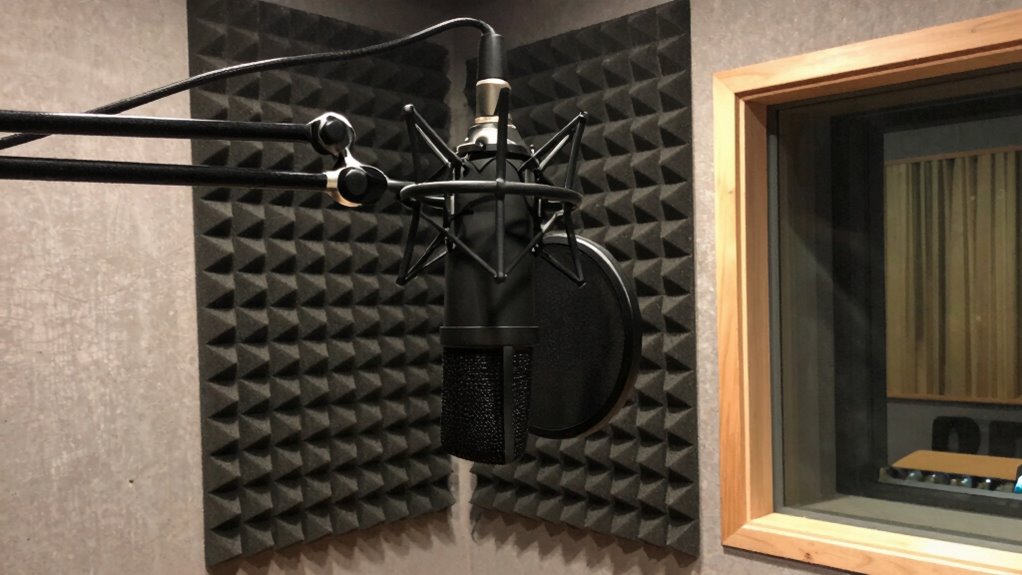
Effective microphone setup plays an essential role in reducing echo and enhancing overall sound clarity. Proper microphone placement helps prevent sound waves from bouncing and creating unwanted reflections. To achieve this, consider these tips:
Proper microphone placement reduces echo and improves sound clarity for a better audio experience.
- Keep the microphone close to your mouth to capture direct sound and reduce room reverberations.
- Position the microphone at a slight angle, avoiding direct face contact, to minimize plosive sounds.
- Use a pop filter or windscreen to soften harsh consonants and reduce unwanted noise.
- Adjust your vocal technique by maintaining a consistent distance from the mic, which helps prevent sudden volume changes and echoes.
Frequently Asked Questions
Can Different Voice Tones Influence How Harsh Recordings Sound?
Yes, different voice tones can influence how harsh recordings sound. When you change your voice pitch, it can make your voice seem more aggressive or softer, affecting overall perception. The emotional tone you convey also plays a vital role; a stern or angry tone may come across as harsher, while a calm, friendly tone sounds more approachable. Adjusting these elements helps control how others perceive your voice in recordings.
How Do Personal Vocal Habits Affect Recording Harshness?
You may unknowingly influence recording harshness through vocal habits, especially if tension sneaks into your voice. Excess vocal tension can make your tone sound sharper, while poor breath control often leads to uneven, strained delivery. By relaxing your muscles and practicing steady breath support, you’ll soften harshness and create a warmer, more inviting sound. Small adjustments can transform your recordings, making your voice feel more genuine and comforting to listeners.
Are Certain Microphone Types Better at Reducing Harsh Sounds?
Certain microphone types, like condenser mics with smooth, flat frequency responses, can help reduce harsh sounds. However, microphone placement plays a vital role—placing the mic correctly minimizes sibilance and harshness. Combining this with acoustic treatment, such as foam panels or diffusers, absorbs unwanted high frequencies. Together, choosing the right microphone and optimizing placement with acoustic treatment greatly improve recording warmth and clarity, making harsh sounds less prominent.
What Role Does Recording Distance Play in Harsh Voice Recordings?
Did you know that recording distance can influence harshness in your voice recordings by up to 50%? When you’re too close or too far, room acoustics and microphone placement play essential roles. Standing too close can accentuate sibilance and reflections, creating harsh sounds, while maintaining a ideal distance helps balance the tone. Proper microphone placement and adjusting your distance improve sound quality and reduce unwanted harshness effectively.
Can Post-Processing Always Fix Harshness Without Affecting Voice Quality?
No, post-processing can’t always fix harshness without affecting voice quality. While audio compression and equalization techniques can reduce harshness, overdoing them might make the voice sound unnatural or dull. You need to carefully balance these adjustments, preserving clarity while smoothing out the harsh frequencies. Sometimes, improving recording conditions or upfront microphone choices are better solutions than relying solely on post-processing.
Conclusion
Understanding the reflection problem helps you create clearer, warmer recordings. Did you know that up to 80% of harshness in voice recordings can be traced back to room reflections? By adjusting your space, using proper mic placement, and applying post-production techniques, you can markedly improve your sound. Remember, your environment plays a huge role—so choose your space wisely and tweak it for the best results. Clearer recordings are just a few simple steps away!
Halloween Picks
halloween
As an affiliate, we earn on qualifying purchases.