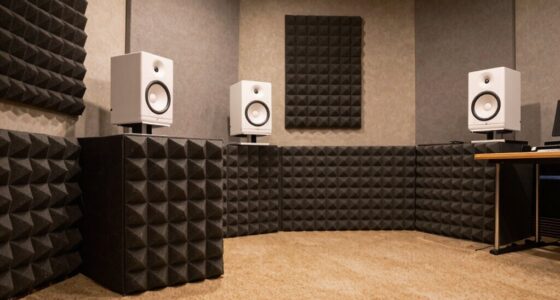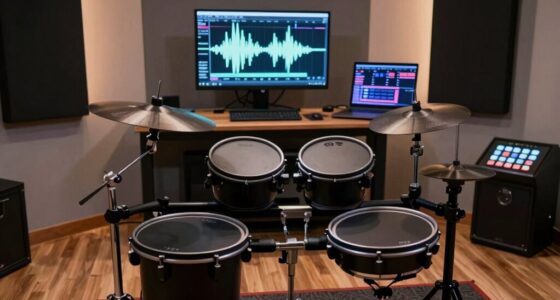

Harsh-sounding voice recordings often happen because of reflections, echoes, and room acoustics that distort your natural tone. When sound bounces off hard surfaces or isn’t absorbed properly, it creates reverberations that make your voice sound distant, muffled, or aggressive. Microphone placement and environment play essential roles in how clear or harsh your voice sounds. If you want to learn how to reduce these reflection issues and warm up your voice, keep exploring these tips.

Get audio and creator gear delivered free with Prime
- Fast, free delivery on millions of items
- Prime Video, Amazon Music and more included
- Member-only deals all year
Key Takeaways
- Excessive sound reflections from hard surfaces create echoes that distort voice clarity and contribute to harsh, shrill tones.
- Poor microphone placement can pick up reflected sound waves, amplifying harshness and muddiness in recordings.
- Room acoustics with insufficient sound absorption increase reverberation, making voices sound distant and aggressive.
- Reflections can cause delays and unnatural sound quality, affecting the natural tone and perceived harshness.
- Acoustic treatments like soft furnishings and soundproofing reduce reflections, improving voice warmth and clarity.
acoustic soundproof panels for recording
As an affiliate, we earn on qualifying purchases.
As an affiliate, we earn on qualifying purchases.
What Is the Reflection Problem in Voice Recordings?

Have you ever noticed that your voice sounds harsher or more metallic when you listen to a recording than it does in person? That’s often due to the reflection problem in voice recordings. When recording, sound waves bounce off surfaces like walls or furniture, creating echoes and reverberations. These reflections can alter how your voice is captured, affecting the clarity and tone. Proper recording techniques help minimize unwanted reflections, but they can’t eliminate them entirely. Voice modulation plays a role too, as fluctuations in volume and pitch can be exaggerated by reflected sound. Understanding this reflection problem requires awareness of how these echoes interact with your voice during recording, making it sound different from what you hear directly. Recognizing this sound reflection helps you improve your recording setup and achieve clearer sound. Additionally, being aware of the acoustic environment can significantly impact the quality of your recordings, since the reverberation effects are a key factor in how reflections influence sound quality. Using soundproofing or acoustic treatment can effectively reduce these reflections and echoes, leading to more accurate recordings.
How Acoustic Factors Make Voices Sound Harsh
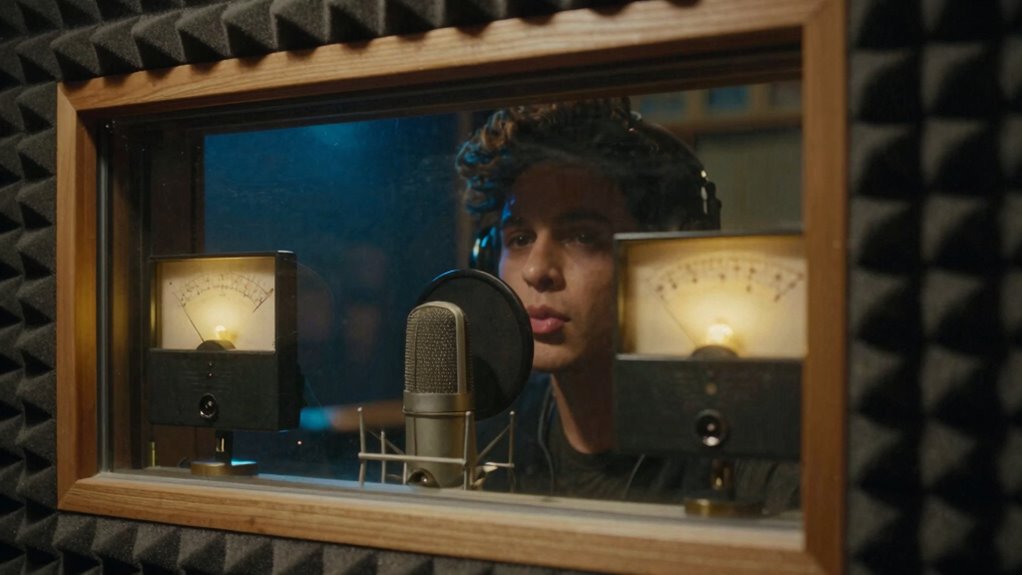
Acoustic factors in a room can profoundly influence how your voice sounds, often making it come across as harsh or shrill. When a space has reflective surfaces or poor sound absorption, echoes and reverberations intensify, amplifying certain frequencies that contribute to a harsh tone. This can distort your natural voice modulation, making your speech sound aggressive or unpleasant. Additionally, the room’s acoustics can alter your emotional tone, unintentionally conveying frustration or anger even if you’re calm. Understanding how these factors affect your voice helps you adjust your environment or speaking style. By controlling acoustic reflections, you can soften sharp sounds and preserve a warm, balanced tone, ensuring your voice remains clear and pleasant rather than shrill or grating. Proper sound absorption techniques, such as adding acoustic panels or soft furnishings, can significantly reduce harshness and improve overall vocal quality. Recognizing the impact of room acoustics allows you to implement effective solutions for a more comfortable and professional sound environment. Implementing acoustic treatment can further enhance the clarity and warmth of your voice, making your recordings more professional and pleasant to listen to. In addition, understanding how reflection patterns influence sound can help you identify problem areas and optimize your space for better audio quality. Knowing the behavior of sound waves in your environment enables you to make more precise adjustments for optimal audio performance.
How Human Perception Shapes Our Interpretation of Voice Tone
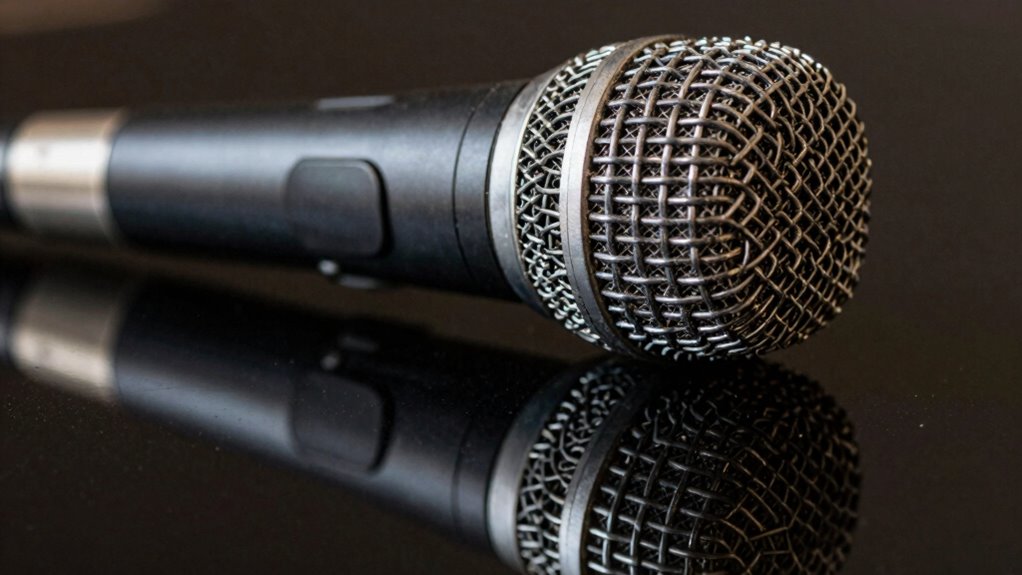
How you perceive a voice’s tone depends largely on your brain’s interpretation of sound cues, not just the raw audio itself. Your perception bias influences how you interpret qualities like harshness or warmth, often shaped by past experiences and cultural context. Emotional resonance plays a key role—if a voice triggers familiar feelings or memories, you might interpret it more positively, even if it sounds harsh objectively. Conversely, unfamiliar or unsettling tones can be perceived as aggressive or unfriendly. Your brain filters these cues, combining tone, pitch, and rhythm, to form an overall impression. Additionally, the horsepower of electric dirt bikes can influence how energetic or aggressive a voice might sound, further affecting perception. Recognizing the impact of perception bias can distort our interpretation of auditory stimuli and underscores the importance of being aware of these influences. The outdoor environment and landscaping surrounding a person can also influence how their voice is perceived, as these factors shape emotional responses. Research also suggests that dreams of deceased loved ones can influence emotional responses to auditory stimuli, potentially altering perception.
Common Sound Elements That Make Voices Seem Aggressive
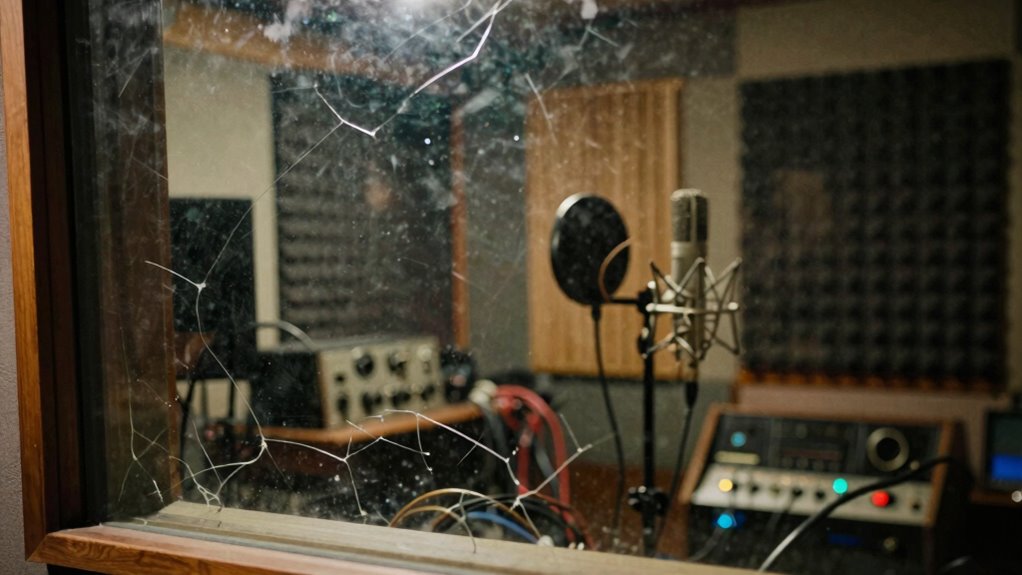
Certain sound elements can make a voice seem aggressive, even if the speaker isn’t intending hostility. You might notice that sharp vocal articulation often comes across as harsh or confrontational, especially if the words are enunciated forcefully. The emotional tone also plays a key role—voices with a clipped or intense emotional delivery tend to sound more aggressive. Additionally, the choice of sound profiles such as woody, floral, or fresh scents in colognes can influence how a voice is perceived emotionally. Consider these sound elements:
- Tight vocal articulation, which can feel abrupt or hostile.
- Raised pitch or volume, signaling anger or frustration.
- Rapid speech, creating a sense of urgency or agitation.
- Lack of tonal variation, making the voice sound flat or aggressive.
Expressive intonation and vocal modulation can significantly alter the perception of tone, making a voice seem more approachable or hostile depending on how they are used. Proper techniques in vocal delivery like maintaining consistent pacing and controlled breathing can help soften the impact of these harsh sound elements, making the speaker seem more calm and approachable. Furthermore, vetted techniques in vocal delivery, such as controlled breathing and pacing, can help soften the impact of these harsh sound elements.
How Background Noise and Environment Impact Voice Clarity
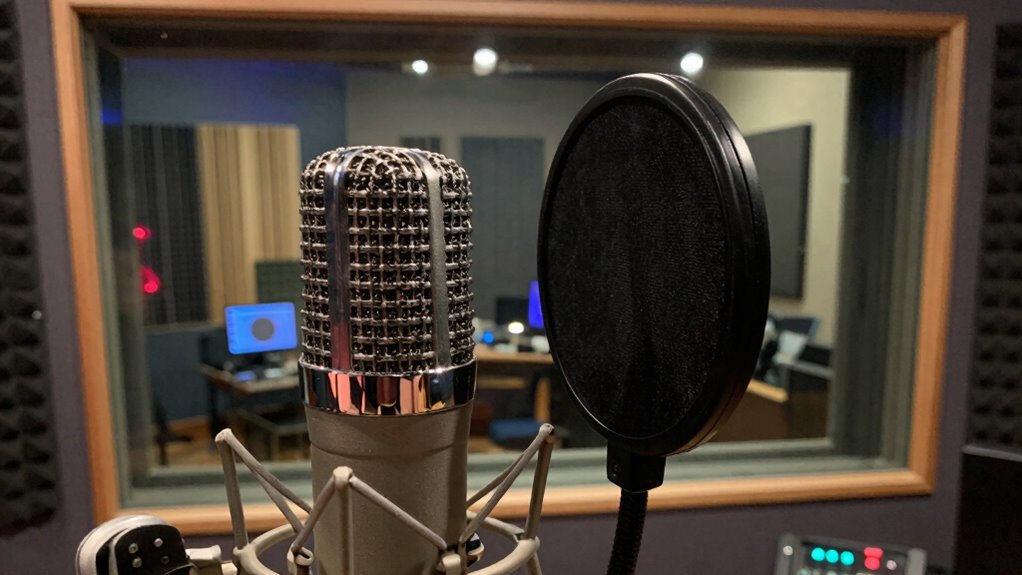
Background noise can easily distract listeners and muddy your voice, making it harder to understand. The room’s acoustics and reflections also play a big role in how clear your sound comes across. Plus, the way you position your microphone can either enhance or diminish your voice’s clarity.
Ambient Noise Distractions
Have you ever noticed how ambient noise can quickly drown out a clear voice recording? Background sounds like traffic, chatter, or HVAC systems interfere, forcing you to raise your voice or alter your voice modulation. This can lead to uneven sound quality and listener fatigue. To minimize distractions, consider sound masking techniques that blend background noise into a consistent ambient level, making speech easier to understand. Keep in mind:
- Sudden noises interrupt flow and clarity
- Unpredictable sounds cause listener strain
- Poor sound masking allows disruptive sounds to stand out
- Consistent environment helps maintain voice clarity
Controlling ambient noise helps preserve natural voice quality and reduces harshness. When background noise stays predictable, your recordings sound more professional, and listeners stay engaged. Sound masking techniques can effectively reduce ambient distractions and improve overall audio clarity. Additionally, understanding how environmental factors impact sound quality allows for better control over recording conditions. Minimizing distractions supports clearer communication and a more polished audio experience.
Room Acoustics Influence
Room acoustics play a significant role in shaping voice clarity during recordings. Echo patterns can cause your voice to sound distant or muddled, making it hard for listeners to understand you. Hard surfaces like bare walls reflect sound waves, creating sharp echoes that distort your voice. To improve clarity, sound diffusion helps scatter sound waves evenly across the room, reducing harsh reflections. Properly balanced acoustics absorb excessive echoes while maintaining natural sound. If your environment has poor sound diffusion, your recordings may sound overly harsh or boomy. Adjusting room furnishings, using diffusers, or adding soft materials like curtains and carpets can help control echo patterns. Managing room acoustics is crucial to prevent heat buildup and ensure a safe, healthy environment for recording. Additionally, controlling sound reflections can contribute to a more professional audio quality. Incorporating soundproofing techniques can further minimize external noise disruptions and enhance overall clarity. Effective acoustic treatment can significantly improve the quality of your recordings by reducing unwanted reverberations. By managing these acoustic factors, you guarantee your voice remains clear and professional, free from distracting background reverberations.
Microphone Placement Effects
Ever wonder why your recordings sometimes sound cluttered or unclear? Microphone placement plays a vital role in capturing vocal resonance and ensuring clarity. When you position your microphone too close or too far, background noise and environment reflections can interfere, making your voice harsh or muffled. Proper placement helps to minimize unwanted sounds and optimize the microphone technology’s ability to pick up your voice naturally. Consider these tips:
- Keep the microphone at mouth level, about 6-12 inches away
- Angle it slightly to avoid plosive sounds
- Use a pop filter to reduce harsh consonants
- Experiment with distance to find the sweet spot for vocal resonance
Adjusting your microphone placement enhances voice clarity by reducing environmental interference and leveraging microphone technology effectively.
Why Pitch and Intonation Can Make Voices Sound Harsh
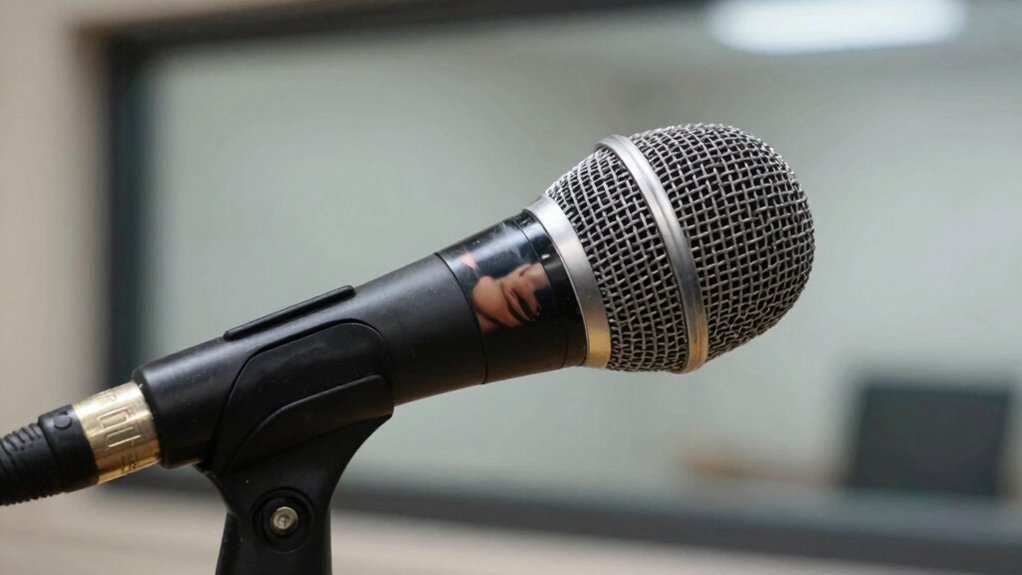
Pitch and intonation play a essential role in how we perceive a voice’s tone, often making it sound harsh or unpleasant. When your voice has sharp pitch changes or inconsistent intonation, it can create a sense of discomfort or tension for the listener. This is where voice modulation and emotional tone become critical. A flat or overly dramatic pitch can distort your message, making it seem aggressive or insincere. The way you control pitch influences emotional connection, either soothing or unsettling your audience. Consider how these feelings evoke different reactions:
| Calm and Soothing | Tense and Harsh | Warm and Friendly |
|---|---|---|
| Gentle pitch | Sharp intonation | Warm resonance |
| Balanced tone | Disjointed flow | Inviting voice |
| Emotional depth | Uncomfortable | Genuine connection |
How to Identify Reflection-Related Voice Issues

You can spot reflection-related voice issues by listening for echoes and reverberation that distort clarity. Check your sound environment for hard surfaces or large spaces that cause sound waves to bounce around. Analyzing your surroundings helps you identify whether reflections are contributing to harsh recordings.
Recognizing Echoes and Reverberation
- Sudden repetitions or delays in the voice
- A sense of spaciousness or echo lingering after speech
- Unnatural, prolonged sound quality
- Variations in clarity depending on the environment
These signs indicate that reflections are impacting your recording, often causing harshness or muddiness. Recognizing these cues helps you determine if echoes or reverberation are the culprits behind poor sound quality.
Analyzing Sound Environment
To accurately identify reflection-related issues in your recordings, examining your sound environment is key. Start by listening carefully to how your voice sounds, paying attention to vocal vibrato and speech tempo. If your vocal vibrato fluctuates unexpectedly or your speech feels rushed or uneven, reflections may be distorting your voice. Notice if your voice sounds harsh or overly boomy in certain areas, indicating problematic acoustics. Move around your space to identify spots where sound quality shifts. Consider the size and shape of the room, as too much echo or sharp reflections can cause harshness. By analyzing these elements, you can pinpoint areas with problematic reflections and adjust your environment or recording setup to improve clarity and reduce harshness.
Tips to Reduce Harshness and Make Your Voice Sound Warmer

Ever wonder why some voice recordings sound harsh or tinny? To reduce harshness and add warmth, focus on your voice modulation and recording equipment. Adjust your pitch and tone to create a richer, more inviting sound. Use a good-quality microphone that captures natural sound without emphasizing high frequencies.
Enhance your recordings by adjusting voice tone and using quality microphones to achieve warm, natural sound.
Consider these tips:
- Experiment with mic placement to avoid reflections that cause harshness
- Use a pop filter to soften plosive sounds
- Apply gentle equalization to reduce sharp high frequencies
- Incorporate subtle compression to smooth out dynamics
Why Reflection Problems Can Hurt Your Communication Effectiveness

Reflection problems can markedly undermine your ability to communicate effectively because they distort your sound and create unintended echoes or reverberations. These issues can lead to misunderstandings, as your message may seem harsh or unclear. Emotional perception plays a vital role; distorted audio can cause listeners to misinterpret your tone or intent. Additionally, cultural differences influence how sound quality affects perception—what sounds acceptable in one culture may seem unprofessional in another.
| Aspect | Effect on Communication | Mitigation Strategies |
|---|---|---|
| Emotional Perception | Misreading tone, causing confusion | Use clear, warm tone; check sound quality |
| Cultural Differences | Varying expectations of sound quality | Tailor recordings to audience norms |
| Reverberation | Distorted message delivery | Use soundproofing and reflection control |
Frequently Asked Questions
Can Reflection Issues Be Completely Eliminated in Recordings?
You can’t completely eliminate reflection issues in recordings, but you can considerably reduce them. Focus on echo reduction techniques by implementing effective acoustic treatment, like installing bass traps and diffusers, to absorb and scatter sound waves. Proper placement of microphones and using absorption panels help minimize harsh reflections. While perfection isn’t always possible, consistent application of these methods ensures clearer, more professional recordings with less unwanted echo.
How Do Different Microphone Placements Affect Reflection Problems?
Microphone placement can dramatically reduce reflection problems, shaping your recording’s clarity like sculpting a masterpiece. When you position your mic close to your mouth, you minimize room acoustics’ influence, capturing a more direct sound. Using techniques like placing the mic at an angle or away from reflective surfaces helps cut down echoes and reverb. Experimenting with placement guarantees you harness the best room acoustics, making your recordings sound professional and polished.
Are Reflection Problems More Common in Certain Recording Environments?
Reflection problems are more common in rooms with poor acoustics, especially those with hard surfaces that bounce sound. You’ll notice harsher recordings in spaces lacking soundproofing techniques like diffusers or acoustic panels. To minimize reflections, improve room acoustics by adding soft furnishings, carpets, or foam panels. Properly treating your environment helps reduce unwanted echoes and harsh sounds, resulting in clearer, more professional recordings.
What Are the Best Editing Tools to Fix Harsh Voice Recordings?
You can effectively fix harsh voice recordings using tools like Adobe Audition or iZotope RX, which excel at echo reduction and noise suppression. These programs allow you to target and minimize reflections and unwanted sounds, making your voice clearer. Investigate how these tools work, and you’ll find they considerably improve audio quality by reducing harshness. Applying their features can transform a rough recording into a polished, professional sound.
Does Speaker Training Help Reduce Reflection-Related Harshness?
Yes, speaker training can help reduce reflection-related harshness by improving voice modulation techniques. When you learn proper voice control, you can minimize unnecessary sibilance and harsh sounds. Additionally, incorporating acoustic treatment in your recording environment helps absorb unwanted reflections, making your voice sound smoother and clearer. Combining effective speaker training with acoustic treatment creates a balanced approach, markedly reducing harshness and enhancing overall voice quality.
Conclusion
By understanding the reflection problem and recognizing how acoustic and environmental factors influence your voice, you can confidently craft clearer, warmer recordings. Addressing harsh sounds, adjusting pitch, and minimizing background noise help transform tense tones into tender, trustworthy tones. With mindful modifications, you’ll master the art of authentic, appealing audio, ensuring your message resonates rather than repels. Ultimately, refining reflection and resonance fosters friendly, fruitful communication, forging a foundation for success in every spoken exchange.
Halloween Picks
halloween
As an affiliate, we earn on qualifying purchases.