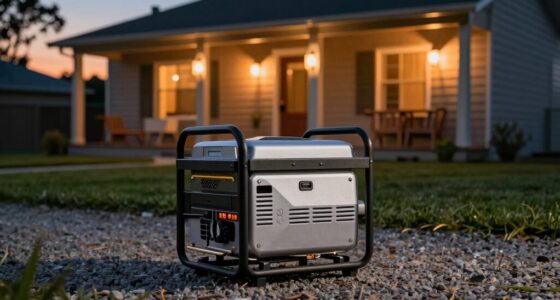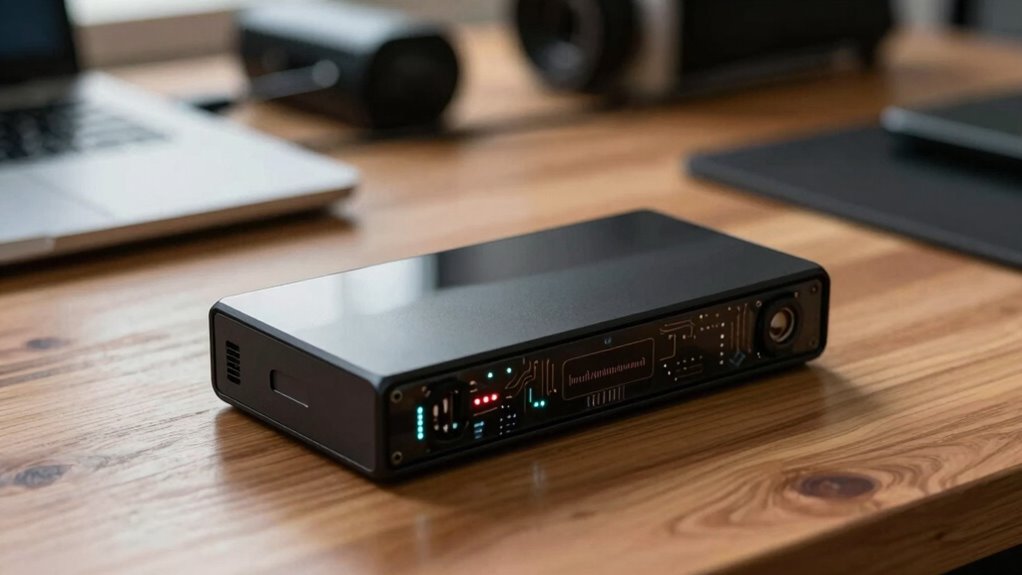

Many new buyers believe that simply owning a backup battery guarantees reliable power during outages, but that’s a myth. Having a battery doesn’t ensure it will work when needed; factors like lifespan, quality, and maintenance play vital roles. Batteries degrade over time, and manufacturing differences can affect performance, making some less dependable. If you want to truly understand how to guarantee your backup system is reliable, there’s more to take into account beyond just owning a battery.

Get audio and creator gear delivered free with Prime
- Fast, free delivery on millions of items
- Prime Video, Amazon Music and more included
- Member-only deals all year
Key Takeaways
- Many believe a new backup battery guarantees device power, but performance depends on lifespan and maintenance.
- Initial battery specs can be misleading; long-term degradation impacts reliability more than initial capacity.
- Manufacturing differences cause variability, so identical batteries may perform differently over time.
- Relying solely on brand or specifications without regular testing can lead to unexpected failures.
- Proper selection, quality, and ongoing maintenance are essential for dependable backup power.
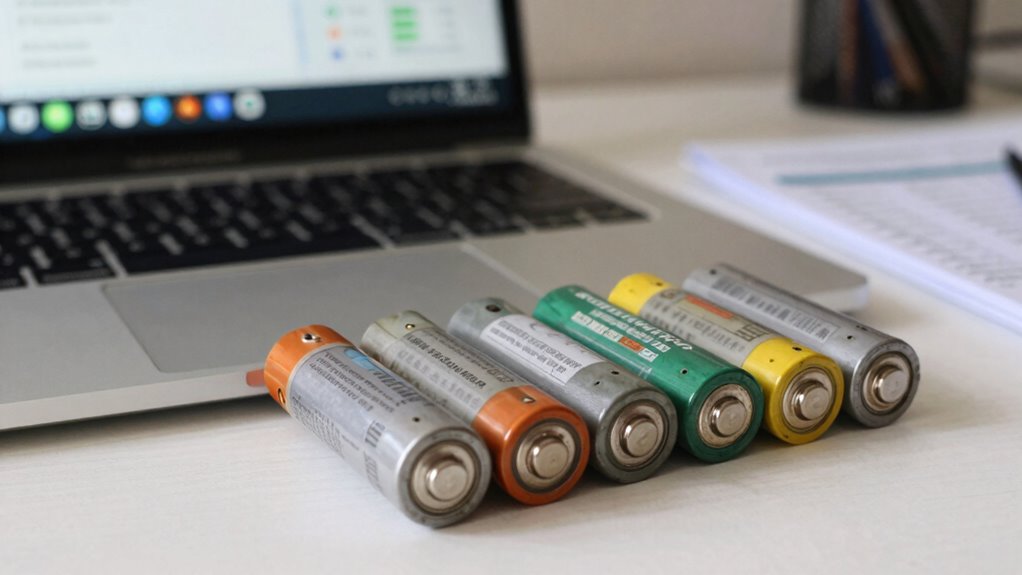
Have you ever believed that simply having a backup battery guarantees your devices will stay powered during an outage? It’s a common misconception, especially among those new to backup power solutions. Many think that just purchasing a battery is enough, but the reality is more complex. The true effectiveness of a backup battery depends on several factors, including its battery lifespan and manufacturing variations. These elements influence how well your device will perform over time and under different conditions.
Having a backup battery doesn’t guarantee power during outages; performance depends on quality, lifespan, and manufacturing consistency.
Battery lifespan is critical to understanding the reliability of your backup power. Batteries don’t last forever; they deteriorate with use, age, and environmental factors. Even if a battery is brand new, it has a limited number of charge cycles before its capacity begins to diminish. As the battery ages, it won’t hold as much power, meaning it might not provide the backup time you expect when an outage occurs. This is why relying solely on the initial specifications can be misleading. Regular testing and maintenance are essential to ensure your backup battery remains operational when you need it most. Additionally, understanding battery performance** can help you better gauge how long your backup power will last, especially considering the impact of battery degradation over time. Knowing how different battery technologies** perform can further assist in selecting a more reliable option.
Manufacturing variations further complicate the picture. No two batteries are exactly alike, even if they are from the same manufacturer or batch. Variations in production processes can lead to differences in capacity, durability, and overall performance. Some batteries might perform well initially but degrade faster than others. Others may have defects or inconsistencies that reduce their reliability. When you buy a backup battery, you’re essentially gambling on the quality control standards of the manufacturer. This variability means that two identical models could behave quite differently over time, making it difficult to predict exactly how long your backup will last during an outage. It’s also worth noting that quality control standards can vary significantly between manufacturers, impacting overall battery reliability.
Many new buyers overlook these nuances, assuming that all batteries are created equal. They invest in a backup power source without considering how manufacturing variations and battery lifespan will impact its long-term performance. As a result, they may find themselves unprepared during an actual outage, discovering that their backup didn’t last as long as promised or failed prematurely. To avoid this pitfall, you should research the brand’s reputation, check for reviews related to longevity and quality, and understand that a backup battery is a long-term investment—not just a quick fix. Recognizing that battery quality can vary significantly between products is crucial to making an informed choice.
In the end, understanding that a backup battery isn’t a magic solution will save you frustration and money. It’s about choosing quality products, maintaining them properly, and recognizing their limitations. Only then can you truly ensure your devices stay powered when it matters most.
Products Worth Considering

Logitech MX Master 4 for Mac, Ergonomic Bluetooth Mouse with Haptic Feedback, Ultra-Fast Scrolling, USB-C Charging, for MacOS, iPadOS, Windo

Amazon Kindle Paperwhite (12th Generation, 2024), 16 GB, 7-inch Display, Jade

Samsung 27 Odyssey OLED G5 (G50SF) QHD QD-OLED Gaming Monitor
As an affiliate, we earn on qualifying purchases.
Frequently Asked Questions
How Long Do Backup Batteries Typically Last Before Replacement?
Backup batteries usually last about 3 to 5 years before you need a replacement, but this depends on their battery lifespan and how often you use or test them. Regular maintenance and proper storage can extend their life, reducing the replacement frequency. Keep an eye on performance indicators, and don’t wait too long to replace them, as degraded batteries can compromise your backup system’s reliability when you need it most.
Are There Specific Brands Known for More Reliable Backup Batteries?
Some brands are known for more reliable backup batteries, thanks to strong brand reputation and all-encompassing warranty policies. Companies like APC and CyberPower consistently receive positive reviews for durability and performance. When choosing a backup battery, you should consider their warranty policies, as they reflect confidence in their products and offer peace of mind. Investing in reputable brands ensures better reliability, support, and longer-lasting backup power during outages.
How Do Backup Batteries Perform in Extreme Weather Conditions?
Backup batteries often struggle in extreme weather conditions, as temperature resilience varies among models. High temperatures can cause overheating, reducing battery lifespan, while cold weather impacts performance by slowing chemical reactions. Weather impact is significant—you should choose batteries specifically designed for harsh climates. To guarantee reliability, look for models with good temperature resilience and proper insulation, especially if you live in an area prone to extreme weather.
What Are the Hidden Costs Associated With Backup Battery Maintenance?
Think of backup batteries as silent guardians—their hidden costs can catch you off guard. You might overlook maintenance costs like regular inspections and replacements, which extend battery lifespan but add up over time. These ongoing expenses can considerably impact your budget, making you realize that proper maintenance isn’t just about keeping things running but ensuring your investment lasts. Ignoring these costs risks premature failure and costly replacements down the line.
Can Backup Batteries Be Recycled or Disposed of Safely?
Yes, backup batteries can be recycled or disposed of safely if you follow proper procedures. You should look for certified battery recycling programs or facilities that adhere to disposal guidelines to prevent environmental harm. Many local recycling centers accept backup batteries, and some stores offer take-back programs. Always handle batteries carefully, avoid puncturing, and follow specific disposal instructions to guarantee safety and proper recycling.
Conclusion
Remember, not all that glitters is gold, and the same goes for backup batteries. Don’t be swayed by marketing hype or misconceptions—do your research and choose wisely. A backup battery isn’t a foolproof safeguard, but a part of a smarter, more reliable system. As the saying goes, “Prevention is better than cure,” so invest in understanding what truly protects your devices, rather than falling for the myth that all backup batteries are created equal.