
To think clearly about home backup power, focus on your household’s actual needs, considering reliability, efficiency, and long-term costs. Look beyond marketing by evaluating system performance metrics like generator fuel efficiency and solar’s ability to meet your power demands during outages. A hybrid approach combining solar and a high-efficiency generator offers resilience and savings. Understanding these real factors helps you choose a system that truly works for you, and if you continue exploring, you’ll uncover more ways to make informed decisions.

Get audio and creator gear delivered free with Prime
- Fast, free delivery on millions of items
- Prime Video, Amazon Music and more included
- Member-only deals all year
Key Takeaways
- Focus on proven performance metrics like system efficiency and load capacity rather than marketing claims.
- Assess your household’s specific power needs and outage frequency to choose appropriate backup solutions.
- Prioritize reliable, high-quality systems—solar, generator, or hybrid—based on durability and long-term costs.
- Consider the environmental impact and fuel independence when evaluating backup options.
- Balance initial investment with ongoing operational costs to determine the most cost-effective and sustainable choice.
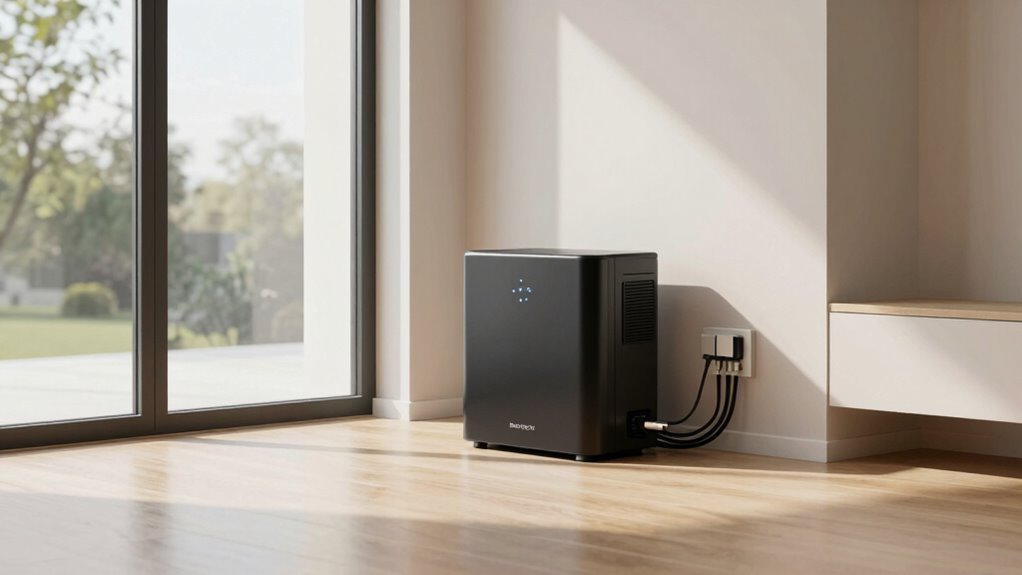
When planning for power outages, understanding your backup power options is essential to keep your home running smoothly. It’s tempting to get caught up in marketing buzzwords and flashy claims, but the key is to focus on what truly matters: reliability, efficiency, and your specific needs. One option gaining popularity is solar integration, which combines solar panels with backup power systems. Solar integration allows you to harness the sun’s energy during the day, reducing your reliance on fuel-powered generators and lowering long-term costs. However, it’s important to assess how well a solar setup can handle your home’s power demands, especially during extended outages when sunlight may be limited. This is where understanding generator efficiency becomes crucial.
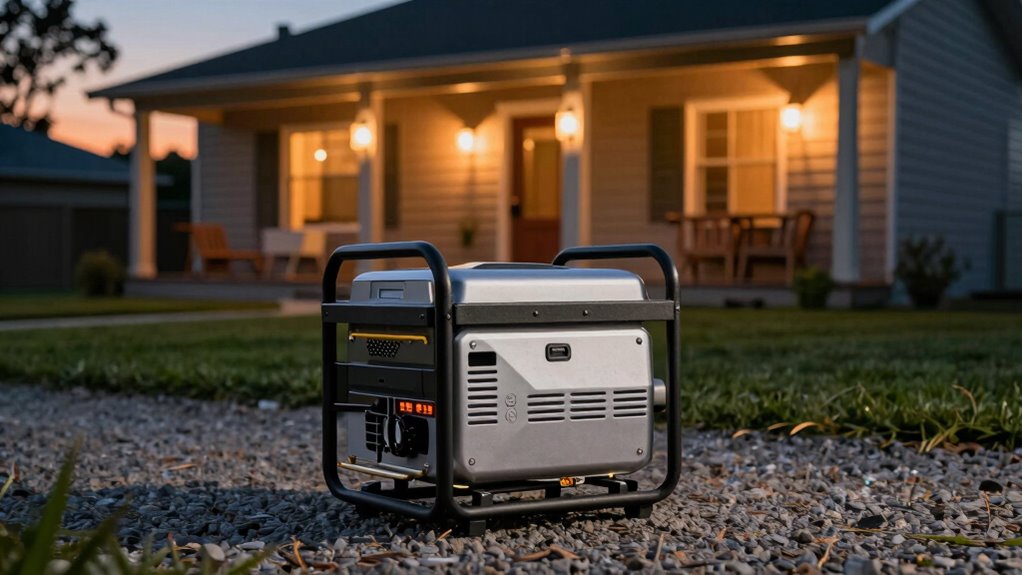
Generator efficiency refers to how effectively a generator converts fuel into usable electricity. A highly efficient generator provides more power for less fuel, which means lower operating costs and less environmental impact over time. When evaluating backup options, don’t just look at the wattage ratings; consider how well the generator performs at different loads. Some models are more efficient at certain power levels, and choosing one with optimal efficiency can make a significant difference in how long your fuel supplies last during an outage. Combining solar integration with a generator that boasts high efficiency offers a hybrid approach, giving you a more resilient and cost-effective backup system. During sunny days, solar can handle most of your needs, while the generator kicks in when sunlight isn’t enough or for backup during prolonged outages.
Keep in mind that the initial investment in a solar-integrated system may be higher upfront, but the potential savings on fuel and the added sustainability can make it worthwhile. On the other hand, a well-chosen generator with high efficiency can serve as a reliable backup on its own, especially if solar isn’t a viable option for your location or budget. When comparing systems, consider your home’s power load, how often outages occur, and your long-term goals. Don’t get swayed by marketing claims that don’t address these practical aspects. Instead, focus on the actual performance metrics—like generator efficiency—and how well solar integration can complement your backup plan. Understanding energy storage and its role can further enhance the effectiveness of your backup system, especially when combined with efficient energy management strategies. Choosing the right system involves analyzing both efficiency and the ability to adapt to varying conditions, ensuring you’re prepared for any situation. Additionally, researching system durability can help ensure your backup solution withstands harsh weather and prolonged use. With a clear understanding of these factors, you can select a backup power solution that’s both practical and economical, keeping your home powered through any outage without falling prey to marketing noise.
home backup generator high efficiency
As an affiliate, we earn on qualifying purchases.
As an affiliate, we earn on qualifying purchases.
Frequently Asked Questions
How Long Can a Backup Power System Run During an Outage?
A backup power system can run anywhere from a few hours to several days, depending on your battery lifespan and fuel efficiency. If you choose a system with high-quality batteries, it’ll last longer during outages. Fuel-powered systems generally run longer but require refueling. Your system’s runtime depends on your energy needs, the capacity of its batteries or fuel tank, and how efficiently it uses power during an outage.
What Are the Maintenance Requirements for Backup Power Solutions?
Think of your backup power system as a garden that needs regular tending. You should check your batteries’ lifespan and perform maintenance frequently to guarantee they’re ready when needed. Keep an eye on battery health, clean terminals, and update software if applicable. Regular inspections, about every six months, help spot issues early, extending your system’s reliability. Proper maintenance keeps your backup power thriving and ready for any storm.
Can Backup Power Systems Be Integrated With Renewable Energy Sources?
Yes, backup power systems can integrate with renewable energy sources, enhancing grid independence and energy storage. You can connect solar panels or wind turbines to your backup system, allowing you to store excess energy for use during outages. This integration not only reduces reliance on the grid but also maximizes renewable energy utilization. Proper planning and equipment guarantee seamless operation and reliable power, making your home more resilient and eco-friendly.
How Do I Determine the Right Size for My Backup Power Needs?
To determine the right size for your backup power needs, start by listing essential appliances and their wattage. Then, calculate the total power requirement and consider your desired runtime. Focus on battery capacity to guarantee enough energy storage and look for systems with power scalability so you can add capacity later if needed. This approach guarantees your backup system meets your needs without overspending or underpowering.
What Are the Hidden Costs of Installing a Backup Power System?
Imagine wiring your home like a carefully choreographed dance, where unseen costs quietly step into the spotlight. You might overlook expenses like professional installation, ongoing maintenance, or safety upgrades, which can add up. Cost estimation helps you anticipate these. Also, safety considerations, such as proper grounding and ventilation, become vital to prevent hazards. These hidden costs and safety upgrades guarantee your backup power system works reliably and safely when you need it most.
Conclusion
Thinking about home backup power doesn’t have to be overwhelming. Focus on your actual needs and prioritize reliable, straightforward options. Did you know that over 60% of households experience power outages annually? That’s a strong reminder to plan ahead. By cutting through the marketing noise and understanding your true requirements, you can choose a backup system that keeps your home running smoothly when it matters most. Stay informed, and make a decision that truly protects your home and family.
Fall Picks
fall essentials
As an affiliate, we earn on qualifying purchases.