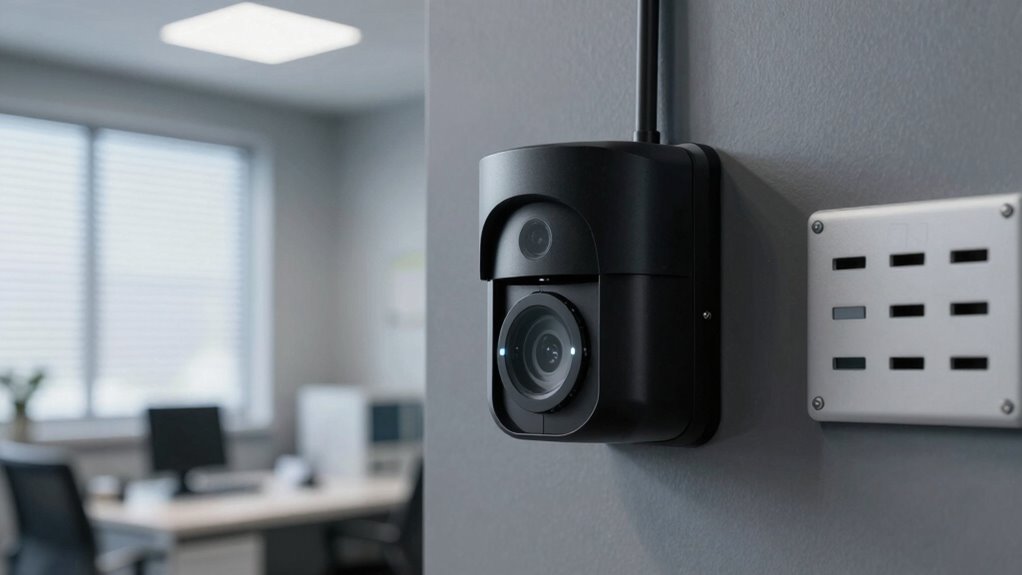

To reduce false alarms in your security sensors, regularly calibrate and adjust their sensitivity settings to avoid triggering from environmental changes. Place sensors away from heat sources, vents, or direct sunlight, and keep them clean to prevent debris interference. Use sensors with advanced filtering features for better environmental discrimination. Monitoring your setup and making necessary adjustments can considerably cut down on false triggers. For more tips, you’ll discover how fine-tuning your system can improve overall reliability.

Get audio and creator gear delivered free with Prime
- Fast, free delivery on millions of items
- Prime Video, Amazon Music and more included
- Member-only deals all year
Key Takeaways
- Regularly calibrate sensors and adjust sensitivity settings to balance responsiveness and false alarm prevention.
- Properly position sensors away from heat sources, vents, windows, and direct sunlight to minimize environmental triggers.
- Use sensors with advanced environmental filtering features to better distinguish genuine threats from environmental changes.
- Keep sensors clean and well-maintained to prevent dirt or debris from causing false triggers.
- Monitor environmental conditions continuously and make necessary adjustments to sensor placement and system settings.
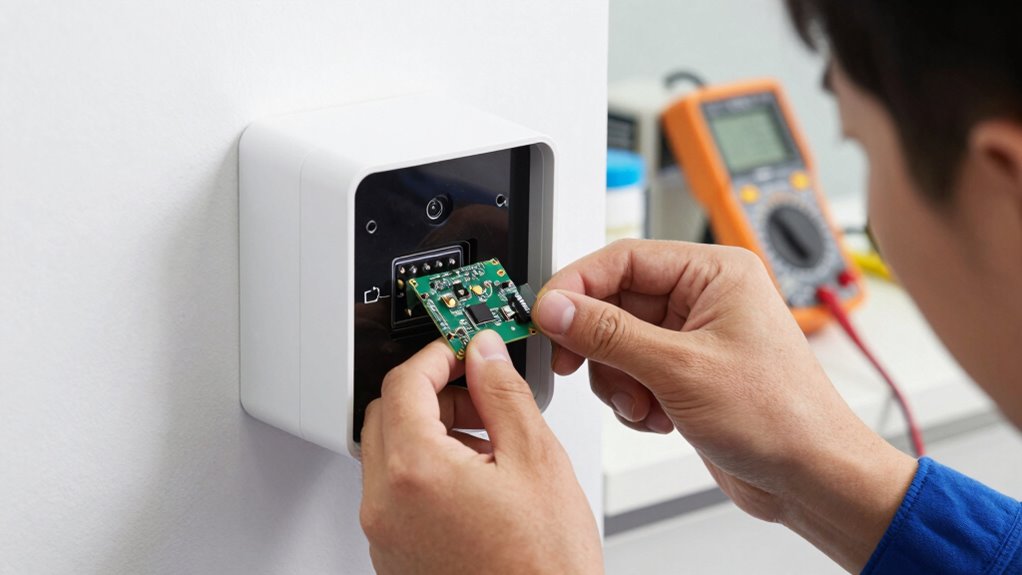
False alarms in security sensor setups can be frustrating and costly, but they’re often caused by easily fixable issues. One of the most common reasons for these false alarms is improper sensor calibration. If your sensors aren’t correctly calibrated, they may mistake everyday movements or environmental changes for intrusions. To fix this, you should regularly check and calibrate your sensors according to the manufacturer’s instructions. Proper calibration ensures that sensors detect genuine threats without reacting to harmless activities. It’s also essential to understand the sensitivity settings of your sensors. Lowering sensitivity might reduce false alarms, but it could also make the system less responsive to actual intrusions. Finding a balance through calibration allows your system to distinguish between normal environmental factors and real security breaches. Additionally, understanding the modern technology behind sensors can help you select models that better minimize false alarms. Knowing how sensor technology works can improve your ability to choose the right equipment for your needs.
Environmental adjustments play a significant role in minimizing false alarms. Changes in lighting, temperature, or airflow can trigger sensors unexpectedly. For example, direct sunlight hitting a motion detector or a sudden draft from an open window can cause false alarms. To prevent this, you should assess the environment where your sensors are installed. If possible, reposition sensors away from windows, vents, or heat sources that could create false triggers. Additionally, consider installing shields or covers that block direct sunlight or airflow from reaching the sensors. Adjusting the placement of sensors can dramatically improve their accuracy and reduce unnecessary alerts. You might also want to modify environmental factors, such as reducing sources of heat or airflow near sensors, to help them function more reliably. Regular maintenance, including sensor cleaning techniques, can further enhance detection performance and prevent false alarms caused by dirt or debris. Ensuring proper sensor placement can significantly reduce the likelihood of false alarms and improve overall security system reliability. Moreover, choosing sensors with advanced environmental filtering features can further help in minimizing false triggers caused by environmental changes. Regularly monitoring environmental conditions and making adjustments accordingly can also contribute to maintaining an effective security setup.
Products Worth Considering

DJI Osmo Mobile 8 Phone Gimbal with Mic Mini Transmitter, Infinity Black

Bose QuietComfort Ultra Earbuds (2nd Gen), Deep Plum

Samsung 32-Inch Odyssey OLED G8 (G80SH) 4K Gaming Monitor
As an affiliate, we earn on qualifying purchases.
Frequently Asked Questions
What Are the Most Common Causes of False Alarms?
The most common causes of false alarms include improper sensor sensitivity settings and environmental interference. If sensors are too sensitive, they may trigger alarms from minor movements or changes, like passing shadows or pets. Environmental interference, such as wind, rain, or electrical noise, can also cause sensors to misfire. Regularly adjusting sensitivity levels and shielding sensors from environmental factors help reduce false alarms and improve your security system’s accuracy.
How Often Should Sensors Be Calibrated?
You should calibrate your sensors regularly, ideally every six months, to maintain ideal sensitivity and reduce false alarms. Adjust the sensor sensitivity during calibration to ensure it detects genuine threats without triggering false alarms. Keep an eye on environmental changes that might affect calibration frequency, like new furniture or landscaping. Regular calibration keeps your system reliable, minimizing false alarms and ensuring it responds accurately when it truly matters.
Can Software Updates Reduce False Alarms?
Yes, software updates can considerably reduce false alarms by refining sensor sensitivity and improving alarm validation. Regular updates help eliminate bugs, enhance detection algorithms, and optimize sensor accuracy. By fine-tuning sensitivity settings and strengthening alarm validation processes, software upgrades guarantee sensors respond appropriately to genuine threats, minimizing false triggers. Staying current with updates is essential for maintaining a dependable, responsive security system that confidently distinguishes between real alarms and false alerts.
What Is the Best Placement for Sensors?
You should place sensors at strategic points like entryways, windows, and high-traffic areas, ensuring ideal placement strategies. Adjust sensor sensitivity so they detect genuine threats but ignore small animals or environmental factors. Position sensors away from heat sources, vents, or moving objects that could trigger false alarms. Regularly test and recalibrate them to maintain accuracy, and consider using detectors with advanced filtering features for better false alarm reduction.
Are There Sensors Less Prone to False Alarms?
Yes, certain sensor types are less prone to false alarms. Infrared motion sensors and dual-technology sensors, which combine PIR and microwave detection, are excellent for false alarm prevention. These sensors intelligently distinguish between real threats and environmental triggers like pets or weather. By choosing the right sensor types, you can considerably reduce false alarms, ensuring your security system remains reliable and responsive without unnecessary alerts.
Conclusion
To keep your security system reliable, focus on proper sensor placement, regular maintenance, and using advanced detection technology. Did you know that about 94% of false alarms are caused by user error or environmental factors? By following these tips, you can greatly reduce false alarms, saving you time, money, and frustration. A well-maintained and accurately configured system not only enhances security but also ensures peace of mind for you and your loved ones.