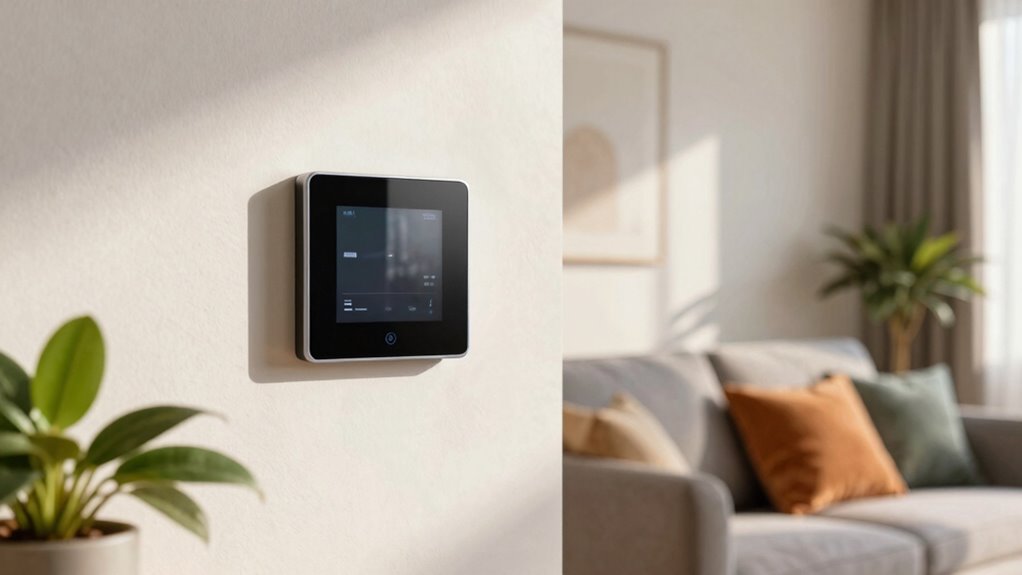

Smart thermostats work better in homes with good insulation and a stable indoor environment because these factors help the device optimize temperature control and save energy more effectively. If your home retains heat in winter and stays cool in summer, the thermostat can operate efficiently and automatically adjust settings. Poor insulation or indoor air quality issues can reduce their performance. Keep going to discover how improvements in your home setup can maximize these benefits even further.

Get audio and creator gear delivered free with Prime
- Fast, free delivery on millions of items
- Prime Video, Amazon Music and more included
- Member-only deals all year
Key Takeaways
- Homes with good insulation maintain consistent temperatures, allowing smart thermostats to optimize energy use effectively.
- Proper insulation reduces drafts and heat loss, enabling more precise automatic adjustments by the thermostat.
- Compatibility with home climate conditions enhances the thermostat’s ability to adapt and save energy.
- User habits and automation learning improve overall efficiency in well-insulated, climate-controlled homes.
- Upgrading insulation complements smart features, maximizing energy savings and comfort.
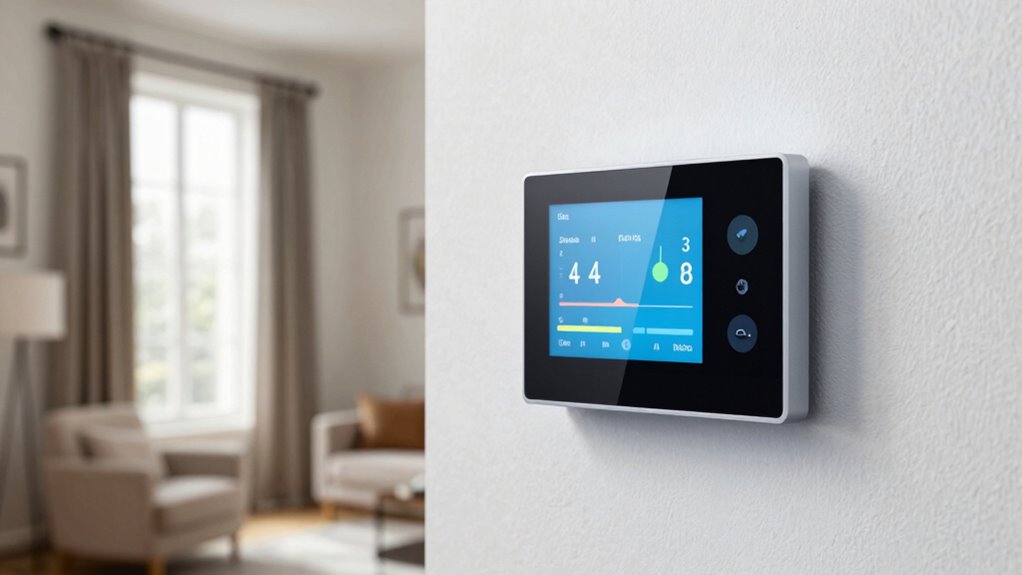
Have you ever wondered how some homes manage to stay cozy while saving energy? The secret often lies in the smart thermostat, a device designed to maximize your home’s temperature control. But why do smart thermostats work better in certain homes than others? The answer comes down to factors like energy efficiency and user convenience. When these elements align, your home can become more comfortable without skyrocketing your energy bills.
First, consider how well your home is insulated. If your house retains heat during winter and stays cool in summer, a smart thermostat can fine-tune temperature settings more effectively. In well-insulated homes, the thermostat’s ability to maintain consistent temperatures means less energy waste. Conversely, poorly insulated homes may require more manual adjustments, making the smart thermostat less effective. So, for peak energy efficiency, investing in insulation upgrades can complement the smart thermostat, ensuring your system isn’t working against drafts or heat loss. Additionally, understanding home insulation can help you optimize your entire climate control system. Good insulation enhances the effectiveness of smart thermostat algorithms, making automatic adjustments more accurate and saving even more energy. Furthermore, air quality considerations can also influence how well your home maintains comfort and efficiency, especially when managing humidity and dust that affect indoor environments.
Well-insulated homes maximize smart thermostat efficiency by maintaining consistent temperatures and reducing energy waste.
User convenience plays a huge role, too. If you lead a busy life, a smart thermostat offers the ease of remote control via smartphone apps. You can adjust settings from anywhere, which means you don’t have to remember to turn down the heat when leaving or increase it before arriving home. This seamless control enhances your daily routine and reduces unnecessary energy consumption. Additionally, smart thermostats often learn your schedule and preferences over time, automatically adjusting to keep your home comfortable without manual input. This combination of automation and remote access makes managing your home’s climate simple and efficient.
Products Worth Considering

Apple iPad Air (2025) 13‑inch Wi‑Fi 256 GB – Space Gray (M3 chip)

Samsung 27-inch Odyssey OLED G6 QD-OLED QHD Gaming Monitor

LG UltraGear 32GX850A-B 32-Inch 4K UHD Glossy OLED Gaming Monitor
As an affiliate, we earn on qualifying purchases.
Frequently Asked Questions
Do Smart Thermostats Increase Energy Bills Initially?
Smart thermostats might slightly increase your energy bills at first because of the initial setup and learning phase. However, with proper thermostat programming, they quickly optimize your heating and cooling, leading to energy savings over time. You might see a small increase initially, but as the device adapts, your bills should decrease, making your home more efficient and saving you money in the long run.
How Do Smart Thermostats Affect Home Security?
Imagine you’re in the 21st century, not just in a sci-fi movie—smart thermostats boost your home security through home automation and security integration. They don’t just control temperature; they also enable remote monitoring and alerts, making your home safer. You can lock doors or check cameras, all from your phone. This seamless connection improves security, giving you peace of mind while you’re away, like having a vigilant digital guardian.
Can Smart Thermostats Be Used in Rental Properties?
Yes, you can use smart thermostats in rental properties, but you need to ensure rental regulations and property owner permissions first. Always check your lease agreement and talk to your landlord before installing a smart thermostat. Some property owners may welcome the upgrade for energy savings, while others might have restrictions. Securing permission ensures you’re compliant and helps you avoid potential conflicts or penalties.
Are Smart Thermostats Compatible With All HVAC Systems?
Smart thermostats are like a universal remote—they don’t work with every HVAC system. To guarantee compatibility, you need to check your HVAC compatibility and wiring requirements first. Some systems, especially older or proprietary ones, might lack the necessary wiring or features. Before installing, verify that your system supports smart thermostats to avoid surprises and ensure smooth operation. Always consult the thermostat manufacturer or a professional for guidance.
What Is the Typical Installation Time for a Smart Thermostat?
The typical installation process for a smart thermostat takes about 30 minutes to an hour, depending on your system’s compatibility. You’ll need to turn off power, remove your old thermostat, and connect the new one, ensuring system compatibility beforehand. If you’re comfortable with basic wiring, you can usually do it yourself; otherwise, a professional can complete the installation quickly, making your home smarter in no time.
Conclusion
To get the most out of your smart thermostat, you need to set it up right and understand your home’s unique needs. A little effort now can save you a lot of headaches later. Remember, it’s not just about having the latest gadget—it’s about making it work for you. Don’t put all your eggs in one basket; instead, tailor your system to fit your lifestyle. When you do, you’ll see real savings and comfort, plain and simple.