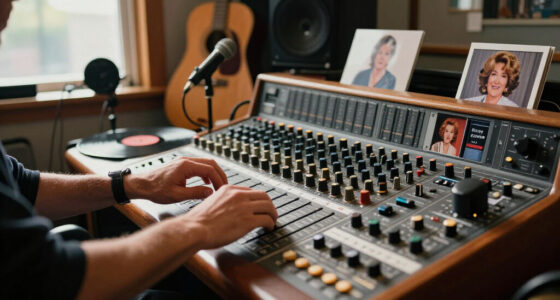
Choosing a streaming microphone is partly a choice about how much audio equipment you want to manage. A USB microphone plugs straight into a computer, so it is usually the easier and less expensive way to get started. An XLR microphone connects through an audio interface or mixer, adding setup and cost in exchange for broader control and a more expandable recording chain.

Get audio and creator gear delivered free with Prime
- Fast, free delivery on millions of items
- Prime Video, Amazon Music and more included
- Member-only deals all year

Logitech Blue Yeti USB Microphone, Blackout
- ✔ Microphone type: USB condenser
- ✔ Capsule array: Three capsules
- ✔ Pickup patterns: Cardioid, omnidirectional, bidirectional, stereo

FIFINE AmpliGame AM8 USB/XLR Dynamic Microphone for Gaming and Streaming
- ✔ Microphone type: Dynamic
- ✔ Connectivity: USB and XLR
- ✔ Polar pattern: Unidirectional cardioid

ZealSound K66 USB Podcast Microphone with Noise Reduction, Gain and Mute Controls
- ✔ Microphone type: USB condenser
- ✔ Pickup pattern: Cardioid
- ✔ Frequency response: 40 Hz–18 kHz
Neither connection guarantees better sound by itself: microphone design, placement, room noise, and speaking technique matter too. The practical choice is whether a straightforward, self-contained setup meets your needs or whether you want the flexibility of separate audio gear. USB suits most new streamers and people who value simplicity; XLR makes more sense for creators prepared to tune and expand their audio system.
At a Glance
| Criteria | USB microphone | XLR microphone | Winner |
|---|---|---|---|
| Initial setup | Connects directly to a computer; typically quick to configure | Requires an audio interface or mixer and extra connections | A |
| Total cost | Usually lower because no separate interface is required | Higher once the interface and any needed accessories are included | A |
| Sound potential | Can sound very good; the connection alone does not determine quality | Can deliver excellent results, with more choice over each component | Depends |
| Audio controls | Often includes basic onboard controls, depending on the model | More routing, gain, and processing options through the interface or mixer | B |
| Upgrade flexibility | More limited when changing or expanding the recording chain | Strong: microphone, interface, and other equipment can be changed separately | B |
| Portability | Easy to move and reconnect with fewer components | Less convenient because the setup has more components and cables | A |
| Best fit | New streamers, compact desks, and simple solo setups | Creators who want hands-on control or plan a larger audio setup | Depends |
Logitech Blue Yeti USB Microphone, Blackout
The Blue Yeti is our leading choice when one microphone needs to cover more than a single streaming format. Its four pickup patterns let us choose cardioid for solo commentary, bidirectional for a face-to-face conversation, or other patterns for different recording arrangements. That flexibility sets it apart from both the AM8 and K66, which use a single cardioid pattern. For a creator who occasionally records a guest or changes how a desk is arranged, the Yeti can adapt without changing microphones.Its desktop stand, zero-latency headphone monitoring, and physical mute and gain controls make a straightforward computer setup easier to manage during a stream. We can adjust the mic without digging through menus, while instant mute is useful when we need to cough or speak off stream. The compromise is that this is a USB condenser, and its extra pickup patterns reward deliberate placement; they are not a substitute for managing nearby noise. Also, Logitech G HUB is needed for full functionality and Blue VO!CE effects, so it is less self-contained than its plug-and-play description might suggest. Choose the AM8 instead if you specifically want a dynamic mic and XLR upgrade path; choose the K66 if direct compatibility with tablets and phones matters more than multiple patterns.
Pros:
- Four pickup patterns support different streaming and recording arrangements.
- Onboard mute, gain, pattern, and headphone volume controls are easy to reach.
- Zero-latency headphone monitoring supports real-time voice checks.
- Desktop stand and USB setup suit a computer-based streaming desk.
Cons:
- Full functionality and Blue VO!CE effects require Logitech G HUB.
- Multiple pickup patterns add flexibility but require choosing and positioning the mic carefully.
Best for: Streamers who want one USB microphone for solo broadcasts, interviews, and varied desk recording setups.
Not ideal for: Buyers who want a dynamic mic with an XLR upgrade path, or those who prefer not to install companion software for full functionality.
Bottom line: We recommend the Blue Yeti for streamers who want the broadest recording flexibility and accessible desk controls in a USB setup.
“We recommend the Blue Yeti for streamers who want the broadest recording flexibility and accessible desk controls in a USB setup.”
FIFINE AmpliGame AM8 USB/XLR Dynamic Microphone for Gaming and Streaming
The AM8 is the most future-facing pick in this lineup for streamers who expect their audio chain to change. It can connect by USB or XLR, so we can begin with a computer connection and later use an audio interface or mixer. Unlike the Blue Yeti and ZealSound K66, it uses a dynamic capsule with a cardioid pattern. That focused pickup can suit a close-talk streaming position, though it still depends on mic placement and room conditions; the provided specifications do not establish how much background sound it rejects in a real room.Over USB, tap-to-mute, gain and monitoring controls, a headphone jack, and RGB lighting put the streamer’s common adjustments on the mic itself. But the transition to XLR comes with a clear tradeoff: those USB features become inactive, and the XLR cable is not included. Its built-in 3/8-inch and 5/8-inch threads simplify attaching compatible stands, but a boom arm is not listed among the included accessories. Compared with the Yeti, the AM8 gives up multiple pickup patterns for dynamic operation and upgradeability. Compared with the K66, it offers XLR but not the same stated tablet and phone compatibility. It makes the most sense when we have a plan for an interface; without one, the Yeti is more versatile across recording patterns.
Pros:
- USB and XLR connectivity provide a clear path to an interface-based setup.
- USB mode includes tap-to-mute, gain, monitoring, and headphone controls.
- Cardioid pickup and dynamic design suit close-talk streaming positions.
- Built-in 3/8-inch and 5/8-inch threads fit common microphone stands.
Cons:
- XLR cable is not included.
- RGB lighting and USB control features are inactive over XLR.
Best for: Streamers who want a dynamic USB mic now and may add an XLR interface or mixer to their setup.
Not ideal for: Buyers who need several pickup patterns, want all controls available through XLR, or expect a cable and stand to be included for every mounting setup.
Bottom line: We favor the AM8 when upgradeability to XLR matters more than the Blue Yeti’s multiple patterns or the K66’s wider stated device support.
“We favor the AM8 when upgradeability to XLR matters more than the Blue Yeti’s multiple patterns or the K66’s wider stated device support.”
ZealSound K66 USB Podcast Microphone with Noise Reduction, Gain and Mute Controls
The K66 is the straightforward pick when we want a USB microphone to work across a mix of computers, consoles, tablets, and compatible phones. Its included USB-C and Lightning adapters distinguish it from the computer-focused compatibility listed for the Blue Yeti and the AM8. A single cardioid pattern keeps operation simple for solo streaming, while gain, monitoring volume, echo, and mute controls are built into the mic. This gives the K66 more direct voice-processing controls than the Yeti’s listed onboard set, but it does not offer the Yeti’s choice of recording patterns or the AM8’s XLR connection.The stated noise reduction mode may appeal to streamers working around background sounds, and zero-latency monitoring provides a way to hear the signal while speaking. We should treat that noise reduction claim carefully: the product information describes its behavior, but supplies no independent results, so it should not be read as a guarantee of clean capture in a noisy room. Echo adjustment may help tailor a particular sound, but streamers who want a natural voice may prefer to leave such effects restrained. Compared with the other two, the K66 has the broadest stated device reach and a compact control set, yet its single USB connection limits future audio-chain options. It is best for a fixed solo voice setup that values device flexibility over pattern selection or XLR expansion.
Pros:
- USB-C and Lightning adapters support a broad range of listed compatible devices.
- Cardioid pickup, mute, gain, and monitoring controls suit a simple solo setup.
- Zero-latency monitoring uses the built-in 3.5 mm headphone jack.
- Echo and noise reduction modes provide additional onboard adjustments.
Cons:
- Noise reduction behavior and sound quality are seller-described, with no independent test results provided.
- USB-only connectivity does not offer the AM8’s XLR upgrade option.
- A single cardioid pattern is less adaptable than the Blue Yeti’s four patterns.
Best for: Solo streamers who switch among a computer, console, tablet, or compatible phone and want built-in monitoring and echo controls.
Not ideal for: Buyers who need multiple pickup patterns, an XLR upgrade path, or independently verified noise reduction performance.
Bottom line: We choose the K66 for device flexibility and onboard processing controls when a single-pattern USB microphone fits the streamer’s needs.
“We choose the K66 for device flexibility and onboard processing controls when a single-pattern USB microphone fits the streamer’s needs.”
As an Amazon Associate we earn from qualifying purchases.
Key Differences
The main practical difference is what sits between the microphone and the computer. USB microphones handle that connection internally, keeping the desk setup compact and reducing the number of settings and components to manage. XLR microphones rely on external audio equipment. That adds decisions about interface inputs, gain, monitoring, and connections, but it also gives the streamer more control over how audio enters and moves through the system.
That extra control is valuable when it solves a real need: multiple microphones, separate audio sources, more hands-on routing, or a plan to replace parts independently. It does not automatically make an XLR recording sound better. A well-placed USB microphone in a suitable room can serve a solo stream very well, while an expensive XLR microphone can still pick up room echo or keyboard noise. For many buyers, the sensible value choice is USB; the XLR premium makes sense when its flexibility will be used.
Detailed Comparison
Initial setup (USB microphone wins — major)
USB wins by a major margin for simplicity. It connects directly to the computer, usually with fewer components to configure. XLR adds an interface or mixer, another cable, and more settings to check. For a solo streamer who wants to get online quickly, USB reduces setup friction. XLR is manageable, but better suited to someone comfortable learning an audio chain.
Total cost (USB microphone wins — moderate)
USB is usually the better value at entry level, a moderate difference. Its price can cover the essential microphone-to-computer connection. XLR buyers need to budget for an interface or mixer, and possibly a stand, cable, or monitoring gear. The extra spend can buy useful capability, but it is poor value if the stream only needs one microphone and basic computer audio.
Sound potential (minor difference)
This is a tie at the connection level. The gap is minor because USB and XLR describe how a microphone connects, not how it sounds. Microphone construction, pickup pattern, distance from the speaker, room acoustics, and gain settings matter more. XLR offers more opportunities to shape and manage the signal, but does not guarantee a cleaner or richer voice. Choose based on the microphone and the room, not the connector alone.
Audio controls and routing (XLR microphone wins — moderate)
XLR wins by a moderate margin when hands-on control matters. An interface or mixer can provide dedicated gain controls, monitoring, input selection, and routing options. USB models vary: some have convenient onboard controls, while others leave most adjustments to software. If a streamer wants to balance several audio sources or control levels without relying on software menus, XLR gear is more accommodating.
Upgrade flexibility (XLR microphone wins — major)
XLR wins by a major margin for a growing setup. Its components are separate, so a creator can change the microphone while keeping the interface, or add inputs when the show expands. A USB microphone is more self-contained and may have to be replaced when the user wants capabilities beyond its design. For a single, stable setup, that modularity may never repay its cost; for a planned multi-mic show, it can.
Portability and desk space (USB microphone wins — moderate)
USB wins by a moderate margin. Fewer components and cables make it easier to move between a home desk and another streaming location. XLR equipment can still be transported, but the interface or mixer adds bulk and setup time. On a crowded desk, the compact path is usually easier to live with.
Ease of troubleshooting (USB microphone wins — moderate)
USB usually wins by a moderate margin for beginners. A direct connection means fewer links to check when the computer does not receive audio. XLR systems offer more ways to isolate or replace a component, which can help experienced users, but also create more possible points of failure. For a streamer who wants dependable basic operation without learning signal flow, USB is the simpler choice.
USB microphone: Pros and Cons
Pros:
- Direct computer connection keeps setup simple
- Lower starting cost for a one-microphone setup
- Fewer cables and components make it easier to move
- Many models include practical onboard controls
Cons:
- Less flexible for expanding inputs and routing
- Audio controls and features vary widely by model
- Replacing one part of the system may mean replacing the integrated microphone
XLR microphone: Pros and Cons
Pros:
- Separate components can be upgraded independently
- Interfaces and mixers can offer more control and routing
- Works well for multi-microphone or more involved audio setups
- Wide choice of microphones and external equipment
Cons:
- Higher total cost after adding an interface or mixer
- More cables, settings, and possible troubleshooting steps
- Takes more desk space and is less convenient to move
Who Should Choose What
Choose USB microphone if:
- You are starting a solo stream and want a quick, straightforward setup.
- You have a limited budget and need to spend on the microphone itself.
- Your desk is small or you move your streaming setup often.
- Your current audio needs are simple and you do not expect to add microphones soon.
Choose XLR microphone if:
- You already own a suitable audio interface or mixer.
- You need multiple microphone inputs or more control over routing.
- You expect to expand your setup and want to replace components separately.
- You enjoy tuning audio and will use the extra controls in regular streams.
Skip both if: Neither connection solves poor placement or room echo by itself; address microphone distance and room noise first if those are the main problems, and consider a headset microphone if you need a compact option that stays close to your mouth.
Value for Money
For most first-time streamers using one microphone, USB is the better value because it delivers a direct, usable setup without requiring a separate interface. Spending more on XLR is worthwhile when you need its routing, input count, controls, or modular upgrades. If those features will sit unused, the higher system cost is unlikely to improve the stream enough to justify itself. If you already own an interface, however, the extra cost of choosing XLR can be much smaller.
Final Verdict
Choose a USB microphone for a typical solo streaming setup: it is simpler, less expensive to get running, and capable of strong results when the microphone is positioned well. Choose XLR if your stream needs multiple inputs, hands-on routing, or a system you can upgrade piece by piece. The deciding factor is not a promise of better sound; it is whether the control and expansion offered by external audio gear will solve a real need. For most beginners, start with USB. Pay the XLR premium when your setup has outgrown it or you already know which features you need.
Frequently Asked Questions
Does an XLR microphone sound better than a USB microphone?
Not by default. Sound depends on the microphone, room, placement, and settings as well as the connection. XLR can give you more control over the signal chain, but that flexibility alone does not improve the voice.
Do I need an audio interface for an XLR streaming microphone?
Yes. A typical XLR microphone needs an audio interface or mixer to connect to a computer. Include that equipment in your budget and check that it has the inputs and controls your setup requires.
Which is better for a beginner streamer?
USB is usually the easier starting point for a solo streamer. It requires fewer components and generally costs less to set up. XLR is a better beginner choice only if you already have compatible gear or need its extra inputs and controls.
Is XLR worth paying more for?
It is worth the extra cost when you will use features such as multiple inputs, flexible routing, or independent upgrades. If you stream alone and want a simple microphone connection, USB is usually the stronger value.
Columbus Day / Indigenous Peoples' Day Picks
long weekend sales
As an affiliate, we earn on qualifying purchases.