Closed-back studio headphones help limit sound leakage during recording and keep outside noise from distracting you while monitoring. I rank the beyerdynamic DT 770 Pro X as the best overall here for its practical 48-ohm design and studio-focused fit, while the Audio-Technica ATH-M40x stands out for a flexible, foldable design and the Sony MDR-7506 for familiar, detail-forward monitoring. The main tradeoffs are comfort over long sessions, how much amplification a high-impedance model needs, and whether you want a fixed or detachable cable. Cheaper models can cover basic tracking, while more versatile picks may suit recording and routine editing better. Read on for how the lineup compares and which pair fits your setup.

Get audio and creator gear delivered free with Prime
- Fast, free delivery on millions of items
- Prime Video, Amazon Music and more included
- Member-only deals all year
Complete the kit


Key Takeaways
The DT 770 Pro X at 48 ohms is the strongest all-round choice in this lineup when you want a studio-oriented closed-back design without committing to the 250-ohm model’s higher amplification needs.
The ATH-M40x offers a useful middle ground: its folding, swiveling design is easier to pack and share than the non-folding DT 770 models, though the fit and sound profile will not suit everyone.
The DT 770 Pro 250 Ohm makes most sense in a settled studio with suitable headphone amplification; impedance alone does not make it a better pick for a phone or basic interface.
The M20x appears twice in this roundup, in black and white. Those are color variants of the same model, so buyers choosing between them should decide by appearance rather than expect different monitoring features.
The HD 280 Pro and MDR-7506 take different practical approaches: the HD 280 Pro emphasizes isolation and a folding structure, while the Sony is a compact, long-running monitoring design with a fixed coiled cable.





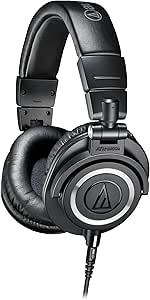


| closed back studio headphone | Design | Cable | Driver size | Color |
|---|---|---|---|---|
| beyerdynamic DT 770 Pro Studio | Closed-back | 3 m straight | — | — |
| Audio-Technica ATH-M20x Profes | Circumaural studio monitor | — | 40 mm | Black |
| beyerdynamic DT 770 Pro X Clos | Closed-back, over-ear | Detachable mini-XLR, 3 m | — | — |
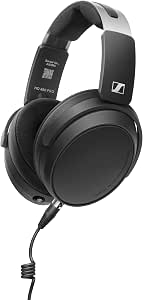
| Sennheiser HD 480 PRO Closed-B | Closed-back, over-ear | 3 m coiled, detachable | — | — |
| beyerdynamic DT 770 Pro 250 Oh | Closed-back, dynamic | Fixed, 3 m coiled | — | — |
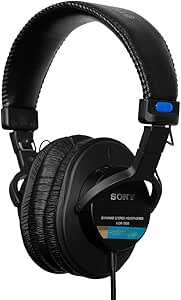
| Sony MDR-7506 Professional Lar | Closed-ear, foldable | — | 40 mm | — |
| Audio-Technica ATH-M20x Profes | Circumaural | — | 40 mm | White |
| Audio-Technica ATH-M40x Profes | Circumaural | Detachable cables included | 40 mm | Black |
| Sennheiser HD 280 Pro Headphon | — | — | — | Black |
| TASCAM TH-02 Wired Over-Ear St | Foldable, closed-back, dynamic | — | — | — |
| Audio-Technica ATH-M50x Profes | Circumaural | Detachable | 45mm | Black |
| OneOdio Pro-10 Wired Over-Ear | — | — | 50mm | Black |
| FIFINE HD8 Wired Studio Monito | Closed-back, over-ear | — | 50mm | — |
| beyerdynamic DT 770 Pro | — | Fixed 3m straight cable | — | Black |
More Details on Our Top Picks
beyerdynamic DT 770 Pro Studio Headphones (80 Ohm, Black)
The DT 770 Pro at 80 ohms is the most balanced pick here for a studio that needs one closed-back headphone for recording and monitoring. Its velour pads support longer sessions, while the closed earcups help limit headphone spill into microphones. Compared with the DT 770 Pro X, this version has a higher impedance and a fixed cable, so it is less convenient to move between interfaces, laptops, and other sources. It does, however, offer a well-established studio setup with replaceable pads, headband, and drivers for ongoing serviceability. The tradeoff is practical: the long straight cable suits a workstation better than a commute, and some consumer devices may need the included quarter-inch adapter or a capable output.
Pros:- Closed-back design helps reduce sound leakage during recording
- Velour ear pads are suited to extended listening sessions
- Replaceable pads, headband, and drivers support long-term service
- Includes a 1/4-inch adapter for studio equipment
Cons:- 80-ohm impedance can be less suitable for low-powered mobile devices
- Long fixed straight cable can be cumbersome outside a studio
- Some consumer sources may need the included adapter
Best for: Recording musicians and home-studio owners who want comfortable closed-back monitoring with serviceable parts.
Not ideal for: Mobile listeners who need a short cable and easy drive from a phone, or engineers who specifically want a detachable cable.
- Design:Closed-back
- Impedance:80 ohms
- Ear pads:Velour
- Cable:3 m straight
- Connector:3.5 mm
- Adapter:Gold-plated 1/4-inch (6.35 mm)
- Serviceable parts:Replaceable pads, headband, and drivers
- Manufacturing:Handcrafted in Germany
Our verdict“Choose the 80-ohm DT 770 Pro for comfortable, serviceable studio monitoring when your main setup is an interface or other stationary source.”
Audio-Technica ATH-M20x Professional Studio Monitor Headphones, Black
The ATH-M20x is the straightforward choice for basic studio tracking, especially when a listener wants a closed, over-ear fit and a single-side cable that stays out of the way. Its 40 mm drivers are described as having enhanced low-frequency performance, which can help make bass easier to hear during tracking. That tuning makes it a different proposition from the beyerdynamic DT 770 Pro, whose supplied description emphasizes balanced monitoring and replaceable parts. The M20x’s low-end emphasis may be less helpful when judging bass balance for a mix, and the product data does not list detachable cables or replaceable components. I would treat it as a focused tracking option: practical in a studio room, but less flexible as a long-term reference headphone.
Pros:- Circumaural design helps isolate sound in noisy settings
- Single-side cable exit can simplify movement around a recording setup
- 40 mm drivers use rare-earth magnets
- Low-frequency-forward tuning can make bass easier to monitor while tracking
Cons:- Enhanced low-frequency tuning may not suit neutral mix decisions
- Cable is not described as detachable
- Product data does not specify replaceable pads or other service parts
Best for: New home-recording musicians who need closed-back headphones for tracking and want the cable to exit on one side.
Not ideal for: Mix engineers seeking a neutral reference or buyers who prioritize documented replaceable parts and cable flexibility.
- Design:Circumaural studio monitor
- Driver size:40 mm
- Magnet type:Rare earth
- Voice coil:Copper-clad aluminum wire
- Cable exit:Single side
- Intended use:Studio tracking and mixing
- Sound tuning:Enhanced low-frequency performance
- Color:Black
Our verdict“Pick the ATH-M20x for practical, bass-forward tracking, but choose a more neutral and serviceable model for regular mix work.”
beyerdynamic DT 770 Pro X Closed-Back Studio Headphones (48 Ohm), Black
The DT 770 Pro X keeps the closed-back, over-ear format suited to recording while making daily setup changes easier. Its 48-ohm impedance is intended to work with laptops, interfaces, phones, and consoles without a separate headphone amp, giving it broader source flexibility than the 250-ohm DT 770 Pro. The detachable mini-XLR cable is another practical distinction from the fixed-cable models in this group: replacing a damaged lead does not require replacing the headphones. Replaceable velour pads add to that serviceability. Compared with the 80-ohm DT 770 Pro, this model is easier to connect across varied gear, though both include a long 3 m cable and remain wired. The supplied data does not specify a sound profile beyond accurate, high-resolution monitoring.
Pros:- 48-ohm impedance is designed for use with many devices without a separate amp
- Detachable mini-XLR cable can be replaced if damaged
- Replaceable velour ear pads support ongoing use
- Closed-back design helps reduce microphone bleed
Cons:- Wired-only connectivity limits casual portable convenience
- Included 3 m cable may be long for mobile use
- Closed-back presentation may feel less open than open-back reference headphones
Best for: Musicians and creators who move between a laptop, interface, and other sources and want a replaceable cable.
Not ideal for: Listeners who want wireless convenience, a compact portable cable, or a model with a clearly stated tonal tuning profile.
- Design:Closed-back, over-ear
- Impedance:48 ohms
- Driver:STELLAR.45
- Cable:Detachable mini-XLR, 3 m
- Jack:3.5 mm
- Ear pads:Replaceable velour
- Included:Headphones, detachable cable, and bag
- Manufacturing:Handmade in Germany
Our verdict“Choose the DT 770 Pro X if you want closed-back studio monitoring that is easier to drive across devices and has a detachable cable.”
Sennheiser HD 480 PRO Closed-Back Studio Headphones
The HD 480 PRO is the specialist fit pick in this group: its ear pads are designed to accommodate glasses, a useful detail for engineers and musicians who wear frames through long sessions. Passive noise shielding and vibration attenuation support focused monitoring in recording and mobile-production setups. Compared with the DT 770 Pro X, it also has a detachable cable, but the HD 480 PRO’s supplied cable is coiled, which can help keep slack near a workstation while adding weight and pull when moving around. The included protective case and recording ear pads make the package more studio-oriented. The supplied details do not list impedance or driver specifications, so buyers choosing based on source compatibility or technical tuning will have less information to work with.
Pros:- Ear pads are designed for comfort with glasses
- Passive noise shielding suits focused monitoring
- Detachable 3 m coiled cable
- Includes a protective case and recording ear pads
Cons:- Coiled cable can add pull and bulk during movement
- No microphone or wireless connectivity is specified
- Impedance and driver specifications are not provided in the supplied data
Best for: Studio professionals and mobile producers who wear glasses and need a closed-back fit for extended sessions.
Not ideal for: Buyers who need published impedance details to match headphones to a particular source, or who prefer a light straight cable.
- Design:Closed-back, over-ear
- Cable:3 m coiled, detachable
- Included items:Protective case and recording ear pads
- Fit detail:Ear pads designed for glasses
- Noise control:Passive noise shielding
- System:Vibration attenuation
- Warranty:24 months
- Assembly:Engineered in Germany; hand-assembled in Romania
Our verdict“The HD 480 PRO is the fit-focused choice for glasses wearers who want closed-back monitoring and a coiled, detachable cable.”
beyerdynamic DT 770 Pro 250 Ohm Closed-Back Studio Headphones
The 250-ohm DT 770 Pro makes the most sense in a studio chain with a headphone amp or capable audio interface. Its closed-back construction helps control headphone bleed into microphones, while the replaceable velour pads and spring-steel headband suit repeated studio use. Compared with the 80-ohm DT 770 Pro, this version is less adaptable to low-powered consumer devices; its higher impedance is a source-matching constraint, not a general upgrade. The fixed 3 m coiled cable can keep slack close to the workstation, but it cannot be detached if damaged and may tug during movement. For buyers who want easier compatibility and a replaceable lead, the DT 770 Pro X is the more flexible alternative.
Pros:- Closed-back design helps reduce headphone bleed into microphones
- Replaceable grey velour ear pads
- Spring-steel headband construction
- Includes a 1/4-inch adapter
Cons:- 250-ohm impedance may need a headphone amp or audio interface
- Fixed cable cannot be replaced independently
- 3 m coiled cable can feel bulky or pull during movement
Best for: Engineers with a headphone amp or audio interface who want closed-back monitoring for recording and studio work.
Not ideal for: Phone and laptop users without a capable headphone output, or anyone who needs a detachable cable.
- Design:Closed-back, dynamic
- Impedance:250 ohms
- Connectivity:Wired
- Cable:Fixed, 3 m coiled
- Headphone jack:3.5 mm
- Included adapter:1/4-inch
- Ear pads:Replaceable grey velour
- Headband:Spring steel
- Country of manufacture:Germany
Our verdict“Choose the 250-ohm DT 770 Pro for a stationary studio rig with adequate headphone drive, and skip it for low-powered portable sources.”
Sony MDR-7506 Professional Large Diaphragm Headphones
The Sony MDR-7506 suits recording, radio, and video work where a familiar closed-ear monitoring design and a long reach to the equipment matter. Its 9.8-foot cable gives more room to move around a studio than the ATH-M40x’s detachable-cable setup, but the Sony’s cable is fixed, so replacement or packing it away is less convenient. The folding construction and included soft case help with transport, while the 40 mm drivers and stated 10 Hz–20 kHz response make it a straightforward wired monitoring option. Compared with the HD 280 Pro, its listed specs do not include a quantified noise attenuation figure or replaceable cable and padding. Choose it for a familiar broadcast-oriented workhorse; skip it if a detachable cable is a priority.
Pros:- Closed-ear design helps reduce external noise during monitoring
- Long 9.8-foot cable reaches studio equipment across a workstation
- Folding construction and included soft case support transport
- Includes a 1/4-inch adapter for compatible equipment
Cons:- Non-detachable cable is cumbersome to pack and cannot be swapped
- The supplied cord may feel overly long for portable listening
Best for: Radio, video, and recording operators who want a foldable closed-ear headphone with a long cable for studio use
Not ideal for: Mobile listeners and frequent travelers who need a detachable cable that is easier to replace or pack
- Driver size:40 mm
- Frequency response:10 Hz–20 kHz
- Design:Closed-ear, foldable
- Cord:9.8 ft, non-detachable
- Connector:1/8-inch plug with 1/4-inch adapter
- Magnet:Neodymium
- Included accessories:Soft case and 1/4-inch adapter
Our verdict“Pick the MDR-7506 for wired broadcast or studio monitoring with extra cable reach, and pass if you want a detachable lead.”
Audio-Technica ATH-M20x Professional Studio Monitor Headphones, White
The ATH-M20x in white is the approachable pick for new home-studio users who want an over-ear closed design and a low-frequency-focused tuning. Its circumaural fit wraps around the ears to help isolate the listener in a loud room, while the 40 mm drivers and specified voice-coil materials give it a more defined technical brief than the TASCAM TH-02 listing. The tradeoff is its place at the entry level of Audio-Technica’s M-Series: the ATH-M40x adds 90-degree swiveling cups and detachable cables for monitoring flexibility and easier cable replacement. The M20x’s single-side cable exit may also be awkward for some desk setups. This is a sensible starting point when isolation and straightforward monitoring matter more than advanced studio handling.
Pros:- Circumaural fit helps isolate the ears in loud environments
- 40 mm drivers with rare earth magnets
- Low-frequency-focused tuning suits monitoring where bass presence matters
- Two-year warranty
Cons:- Entry-level M-Series model lacks the ATH-M40x’s 90-degree swiveling earcups
- Single-side cable exit may not suit every desk or recording setup
Best for: First-time home-studio users who need closed over-ear isolation and a simple wired monitor in a white finish
Not ideal for: DJs and engineers who need swiveling earcups or detachable cables for one-ear monitoring and cable changes
- Model:ATH-M20XWH
- Color:White
- Driver size:40 mm
- Ear placement:Over-ear
- Design:Circumaural
- Magnet and voice coil:Rare earth magnets; copper-clad aluminum wire voice coils
- Warranty:2 years
Our verdict“Choose the ATH-M20x as a straightforward first studio headphone when isolation and bass-forward tuning outweigh one-ear monitoring features.”
Audio-Technica ATH-M40x Professional Studio Monitor Headphones, Black
For sessions where the listener needs to keep one ear free, the ATH-M40x has a practical advantage over the ATH-M20x: its 90-degree swiveling earcups support one-ear monitoring, and detachable cables make replacement simpler. The circumaural design helps isolate the listener in loud environments, while 40 mm drivers are specified for studio monitoring. Compared with the Sony MDR-7506, this is the more adaptable choice for cable changes and earcup positioning; the Sony counters with a long fixed cord and an included soft case. The M40x remains wired, and its listing does not specify active noise cancellation, so it depends on passive fit rather than electronic noise control. Choose it for hands-on studio flexibility; skip it if you need wireless listening.
Pros:- 90-degree swiveling earcups support one-ear monitoring
- Detachable cables are easier to replace than the MDR-7506’s fixed cord
- Circumaural design helps isolate sound in loud settings
- Professional-grade earpad and headband materials are specified
Cons:- Wired design offers no wireless listening
- No active noise cancellation is specified
Best for: DJs and recording operators who monitor with one ear and want detachable cables for easier replacement
Not ideal for: Listeners who need wireless headphones or active noise cancellation for travel and noisy commutes
- Model:ATH-M40x
- Color:Black
- Driver size:40 mm
- Magnet type:Rare earth magnets
- Voice coil:Copper-clad aluminum wire
- Design:Circumaural
- Earcup swivel:90 degrees
- Cable:Detachable cables included
Our verdict“Pick the ATH-M40x for wired studio work that benefits from swiveling cups and detachable cables.”
Sennheiser HD 280 Pro Headphones, Black
The Sennheiser HD 280 Pro makes the strongest case here for passive isolation, with up to 32 dB of stated noise attenuation. That figure gives buyers a more concrete isolation benchmark than the ATH-M40x listing, which describes strong isolation without a number. Its closed, around-ear fit and padded cups suit monitoring in noisy recording spaces, while replaceable earpads, headband padding, and audio cord support longer-term upkeep. The coiled cable extends from 3.3 to 9.8 feet, which can keep slack controlled at a desk but may feel bulky compared with the ATH-M40x’s detachable-cable setup. The HD 280 Pro is wired and has no listed wireless option. Choose it when isolation and serviceable wear parts matter more than a simple, lightweight travel cable.
Pros:- Up to 32 dB passive noise attenuation is specified
- Padded around-ear design supports extended monitoring sessions
- Earpads, headband padding, and audio cord are replaceable
- Collapsible earpieces aid compact transport
Cons:- Coiled cable can feel bulky and resist easy packing
- Wired-only design does not support wireless listening
Best for: Recording engineers and performers who monitor in noisy rooms and value replaceable wear parts
Not ideal for: Listeners who want wireless use or a slim straight cable that packs easily for everyday travel
- Model:HD 280 Pro
- Color:Black
- Type:Dynamic closed-ear, over-ear
- Connectivity:Wired
- Cord length:3.3–9.8 ft, coiled
- Noise attenuation:Up to 32 dB
- Replaceable components:Earpads, headband padding, and audio cord
- Warranty:2 years
Our verdict“Choose the HD 280 Pro when passive isolation and replaceable parts matter more than a compact cable.”
TASCAM TH-02 Wired Over-Ear Studio Monitor Headphones
The TASCAM TH-02 keeps the feature set simple: a closed-back dynamic design, foldable construction, padding at the headband and earcups, and an included 1/4-inch adapter. That makes it a practical fit for basic recording or podcast setups that need to connect to common studio equipment and pack away after use. Its description promises rich bass and crisp highs, but gives no driver size, frequency range, or quantified isolation figure, so there is less technical detail to compare with the Sony MDR-7506 or Sennheiser HD 280 Pro. The TASCAM’s foldable build is useful for transport, though the listing does not specify detachable cables or replaceable padding like the HD 280 Pro. Pick it for a straightforward wired setup; look elsewhere for documented isolation or serviceable parts.
Pros:- Foldable design is convenient for storage and transport
- Padded headband and ear pads
- Includes a snap-on 1/8-inch to 1/4-inch adapter
- Closed-back dynamic design with described bass and treble emphasis
Cons:- Product data does not specify driver size or frequency response
- No quantified passive isolation figure is provided
- Detachable cable and replaceable padding are not specified
Best for: New podcasters and casual recording users who want foldable closed-back headphones with a 1/4-inch adapter
Not ideal for: Studio engineers who need documented noise attenuation, detailed driver specifications, or listed replaceable parts
- Model:TH-02
- Type:Wired over-ear studio monitor headphones
- Design:Foldable, closed-back, dynamic
- Sound description:Rich bass response and crisp highs
- Adapter:Snap-on 1/8-inch (3.5 mm) to 1/4-inch (6.3 mm)
- Headband:Padded
- Ear pads:Padded
Our verdict“Choose the TH-02 for a basic foldable wired setup with a studio adapter, but seek a more fully specified model for critical monitoring.”
Audio-Technica ATH-M50x Professional Studio Monitor Headphones, Black
The ATH-M50x is a flexible choice for studio work that moves between tracking, mixing, and one-ear monitoring. Its 45mm drivers and circumaural earcups are designed to give a clear, bass-capable presentation while helping limit sound leakage around a microphone. The swiveling cups make cueing practical, and the detachable cable is easier to replace than the fixed cable on the beyerdynamic DT 770 Pro 80 Ohm. That beyerdynamic, however, has a more tracking-focused fit and replaceable velour pads, while the ATH-M50x gives you more cable flexibility. Its professional build can feel bulky for casual listening, and the supplied details don’t specify an impedance or frequency response, so buyers pairing it with particular studio gear should check compatibility. It suits people who want a closed-back headphone that can cover several monitoring tasks.
Pros:- Circumaural design helps isolate sound in louder recording spaces
- 90-degree swiveling earcups support one-ear monitoring
- Detachable cable is replaceable and easier to pack away
- 45mm drivers are specified for studio monitoring
Cons:- Professional-size construction may feel bulky for casual use
- The provided product data does not state impedance or frequency response
Best for: Home and project-studio musicians who need one closed-back pair for tracking, editing, and occasional single-ear cueing
Not ideal for: Listeners seeking a light, low-profile headphone for commuting or casual all-day wear
- Brand:Audio-Technica
- Model:ATH-M50x
- Driver size:45mm
- Design:Circumaural
- Earcup movement:90-degree swiveling
- Cable:Detachable
- Color:Black
- Warranty:2 years on parts and labor
Our verdict“Choose the ATH-M50x if you want swiveling cups and a detachable cable for varied studio tasks; choose the DT 770 Pro if replaceable velour pads matter more.”
OneOdio Pro-10 Wired Over-Ear DJ Headphones, Black
The OneOdio Pro-10 is aimed at hands-on cueing and simple wired setups. Its 90-degree swiveling earcups let a DJ monitor with one ear, while the 3.5mm and 6.35mm connections cover common consumer and studio jacks. A shared audio port also makes it easy to connect another pair for a collaborator, a practical extra that the Audio-Technica ATH-M50x does not list. The 50mm drivers are described as bass-forward, which may suit beat-led cueing better than a buyer seeking the more explicitly balanced presentation specified for the FIFINE HD8. This is the most DJ-oriented option here, but its wired-only design limits use away from a cable, and the supplied data gives no weight, cable length, or frequency response for judging fit and setup reach.
Pros:- 90-degree swiveling cups support single-ear cueing
- Includes 3.5mm and 6.35mm audio connections
- Shared audio port can connect a second pair
- 50mm drivers are described as delivering strong bass and clear vocals
Cons:- Wired-only connection rules out wireless use
- Provided product data does not specify weight, cable length, or frequency response
Best for: Beginner DJs and home users who want swiveling cups, common plug sizes, and a way to share audio with another listener
Not ideal for: Buyers who need wireless listening or detailed published specifications for matching headphones to studio equipment
- Driver size:50mm
- Connectivity:Wired
- Audio jacks:3.5mm and 6.35mm
- Earcup rotation:90 degrees
- Fit:Over-ear
- Shared audio port:Included
- Color:Black
Our verdict“Pick the Pro-10 for DJ-style cueing and shared wired listening, while the FIFINE HD8 is a better fit when a stated balanced response and included long cables matter.”
FIFINE HD8 Wired Studio Monitor Headphones with Detachable 3.5mm/6.35mm Cables
The FIFINE HD8 stands out for practical studio connections: it includes two 9.8ft detachable coiled cables, one with a 3.5mm plug and one with a 6.35mm plug. That lets a home recorder connect to common gear without relying on a separate adapter, and the detachable leads are easier to replace than the fixed 3m cable on the beyerdynamic DT 770 Pro 80 Ohm. Its stated 20Hz–20kHz response and balanced tuning description give buyers more sound-profile context than the OneOdio Pro-10 listing provides. At 265g, it is also the lightest choice here by the supplied figures. The tradeoff is cable bulk: coiled leads can tug or get in the way in portable setups, and this wired model has no Bluetooth option.
Pros:- Two detachable 9.8ft cables cover 3.5mm and 6.35mm connections
- 265g weight is specified for buyers prioritizing a lighter fit
- Closed-back over-ear construction provides passive isolation
- 20Hz–20kHz frequency response is stated
Cons:- Coiled cables can feel bulky for portable listening
- Wired-only connectivity offers no Bluetooth option
Best for: Home-studio musicians and podcast creators who switch between interfaces, mixers, and devices with different headphone jacks
Not ideal for: Mobile listeners who want wireless freedom or a slim, easy-to-pack cable
- Driver size:50mm
- Frequency response:20Hz–20kHz
- Weight:265g
- Design:Closed-back, over-ear
- Cables:Two detachable 9.8ft coiled cables
- Cable plugs:3.5mm and 6.35mm (1/4-inch)
- Connectivity:Wired
- Noise isolation:Passive
Our verdict“Choose the HD8 if you need light closed-back headphones with separate long cables for common studio jacks; skip it if coiled wiring will hinder mobile use.”
beyerdynamic DT 770 Pro (80 Ohm) Closed-Back Studio Headphones, Black
For vocal booths, podcast desks, and other recording spaces where headphone spill matters, the DT 770 Pro 80 Ohm is the most tracking-focused pick in this group. Its closed-back construction provides passive isolation, and its spring-steel headband and replaceable velour pads support long-term studio use. The 80-ohm impedance is best matched with an interface or headphone amp, though the supplied description says it can also work with most laptops. Compared with the ATH-M50x, it has replaceable pads but a fixed cable; the ATH-M50x instead offers a detachable lead and swiveling cups for one-ear monitoring. The DT 770 Pro’s fixed 3m straight cable is less convenient to replace or pack, and the impedance makes it a less straightforward choice for very low-output devices.
Pros:- Closed-back construction provides passive isolation for tracking
- Replaceable velour ear pads support maintenance over time
- Spring-steel headband is specified for durable construction
- Includes a 1/4-inch adapter
Cons:- 80-ohm drivers are best suited to an interface or headphone amp
- Fixed 3m cable cannot be detached or readily swapped
Best for: Vocalists, podcasters, and tracking engineers who need passive isolation and have an interface or headphone amp
Not ideal for: Mobile users who want a detachable cable or listeners relying on devices with limited headphone output
- Impedance:80 ohms
- Type:Closed-back
- Ear pads:Replaceable grey velour
- Headband:Spring steel
- Cable:Fixed 3m straight cable
- Included adapter:1/4-inch
- Origin:Made in Germany
- Color:Black
Our verdict“Choose the DT 770 Pro for isolated tracking and replaceable pads if your source can drive 80 ohms; the ATH-M50x is more convenient when cable swapping and one-ear monitoring matter.”
How We Picked
I ranked these headphones around the work closed-back models are commonly asked to do: tracking vocals and instruments, monitoring near a microphone, and listening in a shared or noisy space. I weighed isolation, comfort for longer sessions, cable practicality, portability, and the likelihood that a typical studio interface or everyday device can drive the headphones. I also considered build and serviceability, since a pair used at a desk or in a rehearsal room needs to withstand regular handling.
The order reflects how well each model balances those needs for its likely buyer, rather than treating a single specification as a universal measure of quality. The DT 770 Pro X leads as a broadly practical studio choice; foldable models such as the ATH-M40x rank well for flexible setups, while high-impedance variants suit buyers with matching equipment. Entry-level options remain useful for basic tracking, but sit lower when their feature set or adaptability is narrower. The two M20x colors share a position because their stated distinction is finish, not function.
Factors to Consider When Choosing Closed Back Studio Headphones
Choosing closed-back headphones is partly about sound, but the right match also depends on your room, recording habits, and gear. These broader checks can help you avoid buying a technically capable pair that is awkward in your actual setup.
Match impedance to the device you will use
Impedance is a compatibility detail, not a quality ladder. A high-impedance pair can work well from a capable studio headphone output, yet may not reach useful listening levels from a phone, laptop, or modest interface. Check the output’s headphone specifications when available, especially if you plan to monitor loud sources or use a long cable. Lower-impedance options are generally easier to pair across devices, though sensitivity also affects how loud a headphone gets. Avoid choosing solely by the largest or smallest impedance number; consider your quietest source and normal monitoring level. If your studio setup changes often, a model with a more forgiving load is usually the simpler fit.
Prioritize isolation for the recording you do
Closed-back construction helps contain headphone sound, but isolation varies by model and by how well the pads seal around your ears. That seal matters when recording vocals, quiet acoustic instruments, or anything near an open microphone, because leaked click tracks can reach the recording. Glasses, hair, and head shape can create small gaps that reduce isolation. A tighter fit may help keep a cue mix contained, but can feel warmer during long sessions. For editing alone in a quiet room, extreme isolation may matter less than comfort and tonal consistency. Think about your loudest and most microphone-sensitive recording situation before making isolation the deciding factor.
Treat comfort as a session-length decision
Headband pressure, earcup depth, pad material, and heat build-up all affect whether headphones remain comfortable after an hour. A firm seal can improve isolation but may add pressure, while larger earcups can reduce contact with the ears without guaranteeing a lighter fit. If possible, check return terms and wear the headphones through a realistic session before relying on them for daily work. Pads are consumable parts: their condition affects both comfort and the seal, so check whether replacement pads are available. Do not assume a familiar model name means the current fit will suit you. For shared studios, comfort is personal enough that fit should outweigh small spec differences.
Choose cable design for the way you work
A fixed cable has fewer connection points and can be straightforward for a desk setup, but damage may require repair rather than a quick cable swap. A detachable cable is easier to replace and can be convenient if you move between a desk, instrument, and travel bag. Coiled cables provide reach without leaving as much slack on the floor, though their weight can tug on the headphones. Straight cables are lighter to manage across a table but can become a snag hazard if they cross walkways. Folding earcups also help with storage and transport, but do not replace a case or careful handling. Pick the cable and folding arrangement that fits your room before treating either as a minor accessory detail.
Separate tracking needs from mixing decisions
Closed-back headphones are especially useful for recording because they reduce sound escaping into microphones. Their enclosed presentation can also make long mix decisions harder to judge, since bass perception, spatial cues, and comfort may differ from loudspeakers or open-back designs. If you mix mainly on headphones, use familiar reference tracks and check important balances on another playback system. For tracking, prioritize isolation, dependable fit, and quick adjustment of the cue mix. For editing, comfort and clear detail may matter more than maximum attenuation. Many home producers benefit from owning one reliable closed-back pair for recording and using additional references before committing to a final mix.
Pay for useful flexibility, not a longer feature list
Spending more can make sense when a model solves a regular problem, such as needing a detachable cable, a foldable frame, or compatibility with a particular studio output. Extra versatility is less valuable if the headphones stay in one room and their added features go unused. At the other end, the lowest-cost option may be enough for occasional tracking, but check whether its fit and cable construction suit repeated sessions. Consider replacement pads, cable availability, and how the headphones will be stored alongside the initial purchase. A model that works across a recording interface and portable device can simplify a changing setup. Set your priorities first, then compare the specific compromises each model makes.
Frequently Asked Questions
Can I use the 250-ohm DT 770 Pro with a basic audio interface?
Possibly, but the interface’s headphone output determines whether it can reach your preferred monitoring level cleanly. Check its published output power or guidance for headphone impedance rather than assuming every interface will drive the 250-ohm version equally well. If you use a phone, laptop, or several different sources, the 48-ohm DT 770 Pro X or a lower-impedance model is usually a more flexible starting point. A separate headphone amplifier can help in a fixed studio, but adds another device and cable to the setup. Match the headphone to your actual output before buying around a studio name.
Are closed-back headphones suitable for mixing as well as recording?
They can be used for editing and mix work, but closed-back construction alone does not make a headphone a reliable final reference. The enclosed fit can change how bass and space feel, and extended listening may fatigue some listeners. For recording, isolation is often the larger benefit because it helps reduce headphone bleed into microphones. If you mix on headphones, compare against tracks you know well and check key decisions on speakers or another playback system. This roundup’s closed-back models are most directly aligned with tracking and monitoring needs.
Should I choose the black or white ATH-M20x?
The listed options are color versions of the ATH-M20x, so the finish is the stated difference between them. Choose the one that suits your studio or shared setup; do not expect the white version to have a different driver, cable, or monitoring role based on these listings. If you want a meaningful functional step up within Audio-Technica’s lineup here, compare the M40x or M50x instead. Those are different models with different feature sets, not alternate M20x finishes. Check the exact listing details before ordering in case a seller bundles accessories differently.
Is a detachable cable worth prioritizing for studio headphones?
It is useful if cables are frequently moved, snagged, or shared between several work areas, because a damaged lead can be replaced without sending the whole headphone for repair. A fixed cable can be perfectly practical for a permanent desk and avoids a connector at the earcup that could loosen over time. Coiled and straight cables also behave differently: coiled leads stretch to a nearby rack, while straight ones are lighter across a desk. Think about where the cable runs and whether you need to pack the headphones often. Cable design is a daily-use decision, not a direct measure of sound quality.
Will closed-back headphones stop all sound from leaking into a microphone?
No headphone can promise zero bleed in every recording setup. Leakage depends on listening level, fit, pad seal, microphone sensitivity, and how close the earcups are to the mic. Lowering the cue mix and checking for click-track bleed during a test recording can matter as much as the headphone choice. A snug seal may help, but comfort should still be acceptable for the performer. If bleed persists, adjust mic placement or cue volume before assuming that a different model alone will solve it.
Conclusion
For one dependable pair to cover varied studio tasks, I recommend the beyerdynamic DT 770 Pro X as the best overall pick in this lineup. The Audio-Technica ATH-M40x is the value choice for buyers who want folding earcups and a flexible everyday setup, while the DT 770 Pro 250 Ohm is the premium fit for a fixed studio with a capable headphone output. Beginners who need a straightforward starting point can look to the ATH-M20x or TASCAM TH-02, choosing based on fit and the features they need. For portable work, consider the foldable ATH-M40x; for a familiar monitoring format, the Sony MDR-7506 is a distinct alternative. Match impedance, comfort, and cable style to your room, then choose the model whose tradeoffs fit the sessions you actually record.
Halloween Picks
halloween
As an affiliate, we earn on qualifying purchases.