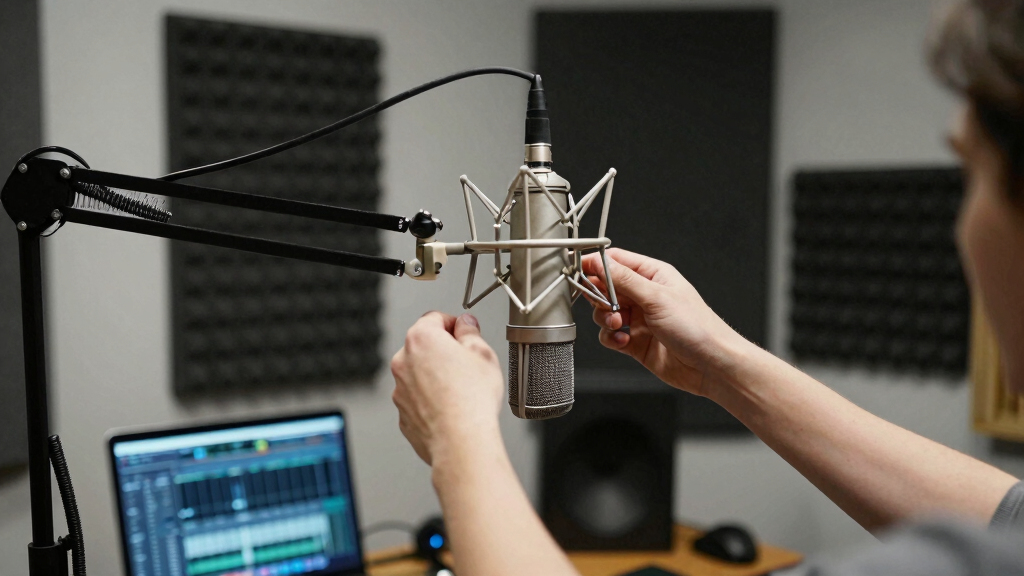

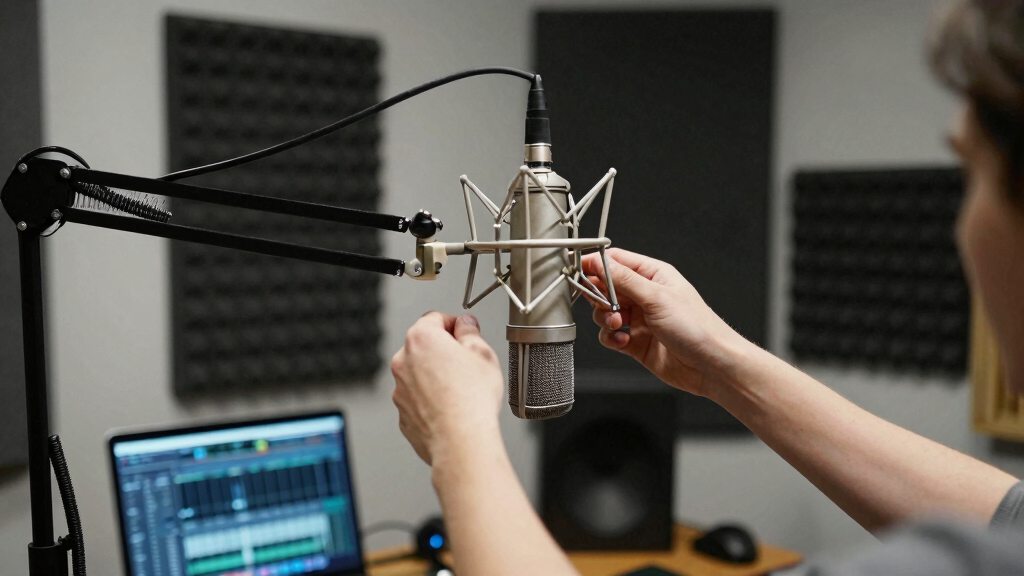
For anyone shopping for a studio microphone for streaming, I would put the RØDE NT1 Signature Series at the top because it offers the cleanest upgrade path for streamers who want a more polished vocal sound and already have, or plan to buy, an audio interface. The FIFINE K688 Podcast Microphone Kit is the stronger value pick because its USB/XLR setup gives beginners an easy start without closing the door on future mixer upgrades. The Shure SM7B is the premium choice, but it asks for more supporting gear and budget than most casual streamers need. The main tradeoffs are USB simplicity versus XLR control, condenser clarity versus dynamic noise rejection, and whether the included accessories are genuinely useful or just padding. Keep reading for my full breakdown of which microphone fits each type of streaming setup.

Get audio and creator gear delivered free with Prime
- Fast, free delivery on millions of items
- Prime Video, Amazon Music and more included
- Member-only deals all year
Key Takeaways
- RØDE NT1 Signature Series ranks highest because it best balances studio-grade vocal detail, included essentials, and long-term streaming growth.
- Dynamic USB/XLR mics from FIFINE make the most sense for noisy rooms, shared spaces, and streamers who want cleaner voice isolation without buying everything at once.
- Blue Yeti models remain easy beginner picks, but their condenser design can pick up more keyboard, desk, and room noise than the best dynamic options here.
- Budget condenser kits from MAONO and FIFINE offer strong starter value, though they depend more heavily on room control and careful mic placement.
- Bundle-style kits such as ALSO GO are convenient for experimenting, but they sit lower because sound quality and upgrade flexibility matter more than accessory count.
| RØDE NT1 Signature Series |  | Best Overall Studio Pick | Microphone Type: Large-diaphragm condenser | Capsule: HF6 1-inch true condenser capsule | Polar Pattern: Cardioid | VIEW LATEST PRICE | See Our Full Breakdown |
| Logitech Blue Yeti USB Microphone – Midnight Blue |  | Best USB Desktop Mic | Connectivity: USB | Pickup Patterns: Cardioid, omni, bidirectional, stereo | Software Included: Blue VO!CE | VIEW LATEST PRICE | See Our Full Breakdown |
| FIFINE AmpliGame AM8T XLR/USB Gaming Microphone Set |  | Best Hybrid Gaming Kit | Microphone Type: Dynamic microphone kit | Connectivity: USB and XLR | Polar Pattern: Cardioid, unidirectional | VIEW LATEST PRICE | See Our Full Breakdown |
| ZealSound K66 Podcast Microphone |  | Best for Mobile Creators | Microphone Type: Condenser USB microphone | Connectivity: USB, USB-C, Lightning | Polar Pattern: Cardioid, unidirectional | VIEW LATEST PRICE | See Our Full Breakdown |
| MAONO AU-A04 USB Microphone Kit |  | Best Budget Studio Kit | Microphone Type: USB condenser | Sample Rate and Bit Depth: 192kHz/24-bit | Capsule: 16mm electret condenser transducer | VIEW LATEST PRICE | See Our Full Breakdown |
| FIFINE K688 Podcast Microphone Kit |  | Best Ready-to-Mount USB/XLR Kit | Microphone Type: Dynamic | Connectivity: USB and XLR | Polar Pattern: Cardioid | VIEW LATEST PRICE | See Our Full Breakdown |
| Shure SM7B Dynamic Studio Microphone |  | Best Premium Broadcast Pick | Microphone Type: Dynamic | Connectivity: XLR | Polar Pattern: Unidirectional cardioid | VIEW LATEST PRICE | See Our Full Breakdown |
| FIFINE AmpliGame AM8 USB/XLR Dynamic Microphone |  | Best RGB Gaming Stream Mic | Microphone Type: Dynamic | Connectivity: USB and XLR | Polar Pattern: Unidirectional | VIEW LATEST PRICE | See Our Full Breakdown |
| FIFINE K688 Dynamic Microphone |  | Best Standalone USB/XLR Value | Microphone Type: Dynamic | Connectivity: USB and XLR | Polar Pattern: Unidirectional cardioid | VIEW LATEST PRICE | See Our Full Breakdown |
| FIFINE T669 Studio Condenser USB Microphone Kit |  | Best Budget Condenser Bundle | Microphone Type: Condenser | Connectivity: USB | Polar Pattern: Cardioid | VIEW LATEST PRICE | See Our Full Breakdown |
| Logitech Creators Blue Yeti USB Microphone |  | Best Versatile USB Pick | Connectivity: USB | Pickup Patterns: Cardioid, omnidirectional, bidirectional, stereo | Capsule Design: Custom three-capsule condenser array | VIEW LATEST PRICE | See Our Full Breakdown |
| MAONO USB Condenser Microphone with Studio Headphones |  | Best Mic-and-Headphones Kit | Sampling Rate: 192kHz/24bit | Frequency Response: 30Hz-16kHz | Microphone Type: Condenser | VIEW LATEST PRICE | See Our Full Breakdown |
| FIFINE USB Microphone K669B |  | Best Bare-Bones Budget Pick | Connectivity: USB | Connector Type: USB Type-A, USB Type-C via included USB-B to USB-A/C cable | Polar Pattern: Unidirectional cardioid | VIEW LATEST PRICE | See Our Full Breakdown |
| ALSO GO Podcast Equipment Bundle with BM-800 Microphone and F998 Sound Card |  | Best Starter Bundle for Mobile Streaming | Connectivity: Bluetooth, USB | Connector Type: 3.5 mm jack | Microphone: BM-800 studio condenser | VIEW LATEST PRICE | See Our Full Breakdown |
More Details on Our Top Picks
RØDE NT1 Signature Series
I rank RØDE NT1 Signature Series as my first pick because it puts audio quality ahead of convenience. Its HF6 1-inch condenser capsule and 4dBA self-noise make the most sense when a streamer’s room is controlled and vocal detail matters more than one-cable setup. Compared with the Logitech Blue Yeti, the RØDE NT1 is less plug-and-play because it needs an audio interface, but it should deliver a cleaner studio path for voice, music, and podcast crossover work. The included shock mount, pop filter, and XLR cable help reduce add-on costs, which keeps it from feeling like a bare studio purchase. I would skip it for noisy desks, though, where the FIFINE AM8T’s dynamic capsule may reject keyboard and fan spill more forgivingly.
Pros:- Extremely low 4dBA self-noise for quiet, detailed vocals
- Large-diaphragm HF6 capsule suits voice and music crossover streams
- Shock mount, pop filter, and XLR cable included
- 10-year warranty adds long-term value
Cons:- Requires an audio interface or mixer because it is XLR
- Condenser sensitivity can expose untreated rooms and keyboard spill
- No onboard mute, gain, or headphone controls for live stream adjustments
Best for: I would pick it for streamers building an XLR studio desk with an interface, a quieter room, and voice or music content.
Not ideal for: I would skip it for laptop-only streamers who need USB controls, mute, and monitoring built into the mic.
- Microphone Type:Large-diaphragm condenser
- Capsule:HF6 1-inch true condenser capsule
- Polar Pattern:Cardioid
- Connection:XLR
- Self Noise:4dBA
- SPL Handling:Extremely high SPL handling
- Included Accessories:Shock mount, pop filter, premium XLR cable
- Warranty:10 years
Bottom line: I would choose the RØDE NT1 when studio-grade voice quality matters more than USB convenience.
Logitech Blue Yeti USB Microphone – Midnight Blue
I place the Logitech Blue Yeti behind the RØDE NT1 because it favors fast USB streaming over studio expansion. Its four pickup patterns make it more flexible than the MAONO AU-A04 for solo streams, interviews, or room capture, and the onboard gain, mute, and headphone controls reduce app switching. Compared with the ZealSound K66, Blue Yeti feels more polished for desktop creators who want voice effects through Blue VO!CE, but it also leans on Logitech G HUB for its full feature set. The size and stand can crowd small desks, and buyers who only ever stream alone may pay for omni, bidirectional, and stereo modes they rarely use. I see it as the easy premium USB choice, not the cleanest studio-growth path.
Pros:- Four pickup patterns cover solo streams, interviews, and room capture
- Plug-and-play USB setup works with PC and Mac
- Onboard gain, mute, headphone volume, and zero-latency monitoring
- Blue VO!CE effects give streamers quick vocal shaping
Cons:- Full feature set needs Logitech G HUB
- Larger stand can crowd compact desks and camera frames
- More mic than solo-only streamers may need
Best for: I would pick it for desktop streamers who want a known USB mic for solo shows, guest chats, and occasional room capture.
Not ideal for: I would skip it for creators with cramped desks or anyone paying mainly for a single cardioid voice mic.
- Connectivity:USB
- Pickup Patterns:Cardioid, omni, bidirectional, stereo
- Software Included:Blue VO!CE
- Compatibility:PC and Mac
- Controls:Headphone volume, mute, gain
- Monitoring:Real-time monitoring without latency
- Stand:Adjustable desktop stand
- Color:Midnight Blue
Bottom line: I would choose the Blue Yeti for a polished USB streaming desk that needs pattern flexibility without extra audio gear.
FIFINE AmpliGame AM8T XLR/USB Gaming Microphone Set
The FIFINE AM8T gets my hybrid pick because it gives streamers a practical bridge between USB simplicity and XLR growth. Compared with the Blue Yeti, its dynamic capsule is better aimed at close voice pickup in gaming rooms, so keyboard taps and room reflections should be less prominent. It also includes a boom arm, mute control, headphone jack, and RGB controls, which makes it more ready for a camera-facing setup than the RØDE NT1 package alone. The tradeoff is polish: the ABS-and-metal build and 50Hz-16kHz range feel more gamer-kit than broadcast studio, and the XLR cable is not included. I would rank it above the ZealSound K66 for streamers who plan to add a mixer later, but below the RØDE for pure vocal fidelity.
Pros:- USB and XLR paths support starter and mixer-based setups
- Dynamic cardioid design is more forgiving around keyboard noise
- Boom arm, mute, gain, and headphone monitoring included
- RGB can match gaming camera setups and can be turned off
Cons:- XLR cable not included
- 50Hz-16kHz range is narrower than studio condenser picks
- Gamer styling may not fit a clean professional set
Best for: I would pick it for gaming streamers who want USB now, XLR later, a boom arm in the box, and close-talk noise rejection.
Not ideal for: I would skip it for minimalist studio sets or singers who want a quieter, more detailed condenser sound.
- Microphone Type:Dynamic microphone kit
- Connectivity:USB and XLR
- Polar Pattern:Cardioid, unidirectional
- Frequency Range:50Hz-16kHz
- Sensitivity:-50dB
- Signal-to-Noise Ratio:80dB
- Monitoring:3.5mm headphone jack with headphone volume control
- Included Accessories:Boom arm, C-clamp, 8.2 ft USB-C cable, windscreen, manual
- Desk Clamp Fit:Up to 2 inches
Bottom line: I would choose the FIFINE AM8T when gaming noise rejection and an upgrade-ready USB/XLR path matter more than premium finish.
ZealSound K66 Podcast Microphone
The ZealSound K66 earns my mobile-friendly slot because it solves a different streaming problem than the RØDE NT1 or Blue Yeti: moving between PC, console, phone, and tablet without a separate interface. The included USB-C and Lightning adapters are the main buyer outcome here, since a TikTok or mobile livestream setup can be connected with fewer extras. Compared with the MAONO AU-A04, it offers more hands-on controls, including mic gain, monitor volume, mute, noise reduction, and echo. That control can help quick solo creators, but the echo feature may be more toy-like than studio-clean, and the desktop base is less flexible than a full boom arm. I would put it below the FIFINE AM8T for fixed gaming desks, yet ahead for phone-first creators.
Pros:- USB-C and Lightning adapters support desktop and mobile recording
- Physical knobs for mic volume, monitor volume, and echo
- Noise reduction mode helps tame fans and clicks
- Compact metal-base design is easy to move between setups
Cons:- USB-only design offers no mixer or interface upgrade path
- Desktop base is less positionable than boom-arm kits
- Echo effect can make voice sound processed if overused
Best for: I would pick it for mobile-first creators who switch between PC, phone, tablet, and console streams.
Not ideal for: I would skip it for streamers building a fixed mixer-based setup or anyone who wants a boom arm from day one.
- Microphone Type:Condenser USB microphone
- Connectivity:USB, USB-C, Lightning
- Polar Pattern:Cardioid, unidirectional
- Frequency Range:40Hz-18kHz
- Sampling Rate:46kHz
- Signal-to-Noise Ratio:85dB
- Controls:Mic volume, monitor volume, echo, mute
- Monitoring:3.5mm zero-latency headphone output
- Included Accessories:70.9-inch USB cable, foam windscreen, USB-C adapter, Lightning adapter, stand base
Bottom line: I would choose the ZealSound K66 for creators who record across phones and computers and want controls built into a compact mic.
MAONO AU-A04 USB Microphone Kit
The MAONO AU-A04 is my budget studio-kit pick because it gives a new streamer the mic, boom arm, shock mount, pop filter, and windscreen in one box. Compared with the ZealSound K66, it gives up mobile adapters, onboard mute, and monitoring controls, but the scissor arm makes mic placement easier for desk streams and voice-over work. Its 192kHz/24-bit claim and 30Hz-16kHz response sound impressive on paper, yet the bigger value is having the accessories needed to keep the capsule close to the mouth and away from desk vibration. Against the RØDE NT1, this is clearly less of a long-term studio mic, and USB-only design leaves little room for interface upgrades. I rank it for buyers who want the lowest-friction kit, not the most flexible audio chain.
Pros:- Includes boom arm, shock mount, pop filter, windscreen, cable, and manual
- Plug-and-play USB setup is simple for a first streaming desk
- 192kHz/24-bit spec and 16mm capsule are strong for the price class
- Metal shock mount and arm help reduce desk vibration
Cons:- USB-only with no XLR growth path
- No listed onboard mute or headphone monitoring controls
- Not compatible with Xbox
Best for: I would pick it for first-time streamers building a low-cost desk setup that needs the arm and filters included.
Not ideal for: I would skip it for live hosts who rely on built-in mute, headphone monitoring, or future XLR upgrades.
- Microphone Type:USB condenser
- Sample Rate and Bit Depth:192kHz/24-bit
- Capsule:16mm electret condenser transducer
- Polar Pattern:Cardioid
- Frequency Response:30Hz-16kHz
- Connection:USB 2.0
- Compatibility:Most laptops, PCs, PS4/PS5, and mobile phones; not Xbox
- Included Accessories:Scissor arm, metal shock mount, pop filter, foam windscreen, base, USB-A/USB-C to USB-B cable, manual
- Setup:Plug and play with no external sound card required
Bottom line: I would choose the MAONO AU-A04 when the budget has to cover the whole starter setup, not just the microphone.
FIFINE K688 Podcast Microphone Kit
I rank the FIFINE K688 Podcast Microphone Kit as the most practical kit pick because it solves two streaming problems at once: the mic and the mounting setup. Compared with the standalone FIFINE K688 Dynamic Microphone, this version adds a metal boom arm, shock mount, and windscreen, so it makes more sense for a desk-based creator starting from scratch. It also feels more stream-focused than the FIFINE T669 because its dynamic capsule and cardioid pattern are better suited to rejecting keyboard and room noise. The tradeoff is control split: the mute, gain, and monitoring controls work over USB only, while XLR users must manage levels through an interface or mixer. It is also less compact than the AM8 desktop setup.
Pros:- USB and XLR connections support simple PC streaming and later mixer or interface use
- Included metal boom arm, shock mount, and windscreen reduce desk vibration and plosive noise
- Dynamic cardioid design helps keep keyboard noise and room sound lower than many condenser kits
- USB mode adds mute, gain, headphone monitoring, and volume controls
Cons:- On-mic controls are inactive when using XLR
- C-clamp only fits desks under 2 inches thick
- Requires close placement, roughly 2 to 6 inches, for stronger input level
Best for: Streamers building a first desk-mounted setup who want USB today and XLR later without buying a separate arm immediately.
Not ideal for: Creators with very thick desks or existing premium boom arms, since the included clamp fits desks under 2 inches and adds gear they may not need.
- Microphone Type:Dynamic
- Connectivity:USB and XLR
- Polar Pattern:Cardioid
- Maximum SPL:130 dB
- USB Controls:Tap-to-mute, gain knob, headphone volume
- Monitoring:3.5mm headphone jack
- Included Accessories:Boom arm, shock mount, windscreen
- Desk Clamp Fit:Desks under 2 inches thick
- Suggested Mic Distance:2 to 6 inches
Bottom line: This is the kit I would point at first for a new streamer who wants a tidy dynamic mic setup with room to grow.
Shure SM7B Dynamic Studio Microphone
The Shure SM7B sits highest for buyers who want the classic broadcast-style streaming sound and already accept the cost of an XLR chain. Compared with the FIFINE K688 Podcast Microphone Kit and FIFINE AM8, it skips USB convenience, mute buttons, RGB, and bundled stands, but it offers a more serious XLR-only signal path with strong shielding, air suspension isolation, and a smooth vocal character. That makes it better for streamers treating audio as part of a polished studio identity rather than a quick plug-in upgrade. The catch is the setup burden: Shure recommends at least 60 dB of gain, so many users need a capable interface or preamp. It is also heavier and more expensive than the other picks here.
Pros:- Warm, balanced vocal tone suits spoken-word streaming and broadcast-style content
- Cardioid pickup with air suspension isolation helps reduce room interference and handling noise
- Built-in pop filtering and detachable windscreen reduce plosives in close-mic use
- Rugged metal body with electromagnetic shielding is built for long-term studio use
Cons:- XLR only, with no USB mode or onboard streamer controls
- Needs a strong preamp or capable interface to reach its best level
- Higher total setup cost once an arm, interface, and cables are included
Best for: Established streamers, podcasters, and vocal creators with an audio interface who want a durable XLR mic for a controlled studio desk.
Not ideal for: Beginners who want plug-and-play USB, built-in mute, or a complete desk kit without buying an interface and stand.
- Microphone Type:Dynamic
- Connectivity:XLR
- Polar Pattern:Unidirectional cardioid
- Impedance:150 ohms
- Frequency Response:50 Hz to 20,000 Hz
- Recommended Gain:At least 60 dB
- Signal-to-Noise Ratio:60 dB
- Weight:2.7 pounds
- Dimensions:13.5 x 7 x 4.5 inches
Bottom line: This is the premium choice I would reserve for streamers ready to build a proper XLR vocal chain.
FIFINE AmpliGame AM8 USB/XLR Dynamic Microphone
The FIFINE AmpliGame AM8 earns its place as the gaming-first pick because it balances upgrade potential with controls that make sense on a live desk. Compared with the Shure SM7B, it is far more accessible: USB works right away, the tap-to-mute control helps during live chats, and headphone monitoring lets a streamer hear level problems before viewers complain. Against the FIFINE K688 Podcast Microphone Kit, the AM8 is more compact and visually expressive thanks to controllable RGB, but it gives up the included boom arm and shock-focused setup. The RGB and onboard controls also work only in USB mode, so XLR buyers lose much of what makes this model feel streamer-friendly. Its 50 Hz to 16 kHz range is practical for voice, less studio-wide than the SM7B.
Pros:- USB and XLR connectivity gives beginners a clear upgrade path
- Tap-to-mute, gain, and monitoring controls are useful for live streaming over USB
- RGB lighting with multiple colors fits gaming setups better than plain studio mics
- Built-in 3/8-inch and 5/8-inch threads work with many mic stands
Cons:- XLR cable and boom arm are not included
- RGB and function keys are inactive when using XLR
- ABS plastic and metal build is less studio-rugged than the Shure SM7B
Best for: Gaming streamers who want a compact USB mic with mute, monitoring, and RGB styling, plus the option to move to XLR later.
Not ideal for: Creators who need a complete arm-mounted kit or want all controls and lighting to remain active over XLR.
- Microphone Type:Dynamic
- Connectivity:USB and XLR
- Polar Pattern:Unidirectional
- Frequency Range:50 Hz to 16 kHz
- Signal-to-Noise Ratio:80 dB
- Controls:Mute, RGB key, mic gain, monitoring volume in USB mode
- Included Accessories:Desktop stand, windscreen, 6.5 ft USB-C to USB-A cable
- Weight:600 grams
- Dimensions:3.35 x 4.96 x 9.65 inches
Bottom line: This is the pick I would choose for a gaming desk where easy USB control and visual style matter as much as future XLR support.
FIFINE K688 Dynamic Microphone
I see the FIFINE K688 Dynamic Microphone as the value play for buyers who already have a stand or want to choose their own mounting gear. It shares the same core appeal as the FIFINE K688 Podcast Microphone Kit, including USB/XLR connectivity, a cardioid dynamic design, mute, and headphone monitoring, but it strips away the boom arm bundle to lower clutter and cost. Compared with the FIFINE AM8, it looks more restrained and studio-like, with less gaming flair, though it also lacks RGB and a ready desktop stand package. The main drawback is that the missing arm, stand, and XLR cable can erase the savings for a brand-new setup. XLR mode also needs extra gear before it feels like a true studio mic.
Pros:- Dual USB and XLR support makes it useful for both simple and upgraded streaming setups
- Dynamic cardioid capsule helps reduce background noise from untreated rooms
- Tap-to-mute and real-time headphone monitoring are helpful for live sessions
- Metal build feels more durable than many low-cost plastic desktop mics
Cons:- Arm stand, mic stand, and XLR cable are not included
- XLR use requires an interface or mixer for full performance
- Less visually distinctive than RGB-focused gaming microphones
Best for: Streamers upgrading from a basic USB mic who already own a stand or want to pick a better arm separately.
Not ideal for: First-time buyers who need every mounting part in the box, since the arm, stand, and XLR cable are sold separately.
- Microphone Type:Dynamic
- Connectivity:USB and XLR
- Polar Pattern:Unidirectional cardioid
- Impedance:16 ohms
- Frequency Range:50 Hz to 16 kHz
- Signal-to-Noise Ratio:80 dB
- Weight:0.51 kg / 1.12 lbs
- Dimensions:4.65 x 6.18 x 8.86 inches
- Included Accessories:Windscreen, 2.5 m USB-C to USB-A cable, 5/8-inch to 3/8-inch adapter
Bottom line: This is the smartest standalone buy for a streamer who wants K688-style flexibility without paying for bundled mounting hardware.
FIFINE T669 Studio Condenser USB Microphone Kit
The FIFINE T669 is the budget bundle I would pick for creators who want a fuller accessory package without moving into XLR gear. Compared with the FIFINE K688 Podcast Microphone Kit, it is simpler because its USB-only design plugs straight into a PC or laptop with no interface path to learn. The condenser capsule can sound open and detailed for voiceovers, instruments, and quieter rooms, while the included boom arm, shock mount, and double pop filter help make a low-cost desk setup feel complete. The tradeoff is streaming noise control: a condenser is more likely than the K688, AM8, or SM7B to pick up room reflections, fans, and keyboard clicks. It also lacks XLR growth, onboard headphone monitoring, and console support for Xbox.
Pros:- Complete USB bundle includes arm, shock mount, double pop filter, cable, and microphone
- Condenser capsule suits voiceovers, vocals, instruments, and quiet-room streaming
- Plug-and-play USB setup avoids drivers and extra audio hardware
- Long 8.2 ft USB cable gives more freedom for desk placement
Cons:- USB only, with no XLR upgrade path
- Condenser design can capture more room noise than dynamic picks like the K688 or SM7B
- Incompatible with Xbox
Best for: Budget creators recording from a quiet room who want a USB mic, arm, shock mount, pop filter, and long cable in one package.
Not ideal for: Streamers in noisy rooms or buyers planning an XLR mixer setup, since this USB condenser is more sensitive and has no XLR path.
- Microphone Type:Condenser
- Connectivity:USB
- Polar Pattern:Cardioid
- Connection Style:Plug-and-play for PC and laptop
- Compatibility Note:Incompatible with Xbox
- Included Accessories:Boom arm, shock mount, double pop filter, USB cable, user manual
- Cable Length:8.2 ft
- Boom Arm Reach:13-inch fixed horizontal arm with up to 30-inch reach
- Boom Arm Adjustment:180-degree up/down rotation and 135-degree forward/back extension
Bottom line: This is the budget bundle I would choose for a quiet-room creator who values accessories and simplicity over future studio expansion.
Logitech Creators Blue Yeti USB Microphone
I would rank the Logitech Creators Blue Yeti highest in this set for streamers who want one USB mic that can handle more than solo voice. Its four pickup patterns make it more flexible than the FIFINE K669B, which is a simpler cardioid-only desk mic, and the onboard gain, mute, headphone volume, and no-latency monitoring give streamers more control during live sessions. Compared with the MAONO headphone bundle, the Yeti is less about included extras and more about stream control and recording flexibility. The tradeoff is size and sensitivity: it can pick up keyboard noise and room reflections if placed poorly, and the desktop stand takes up space. Still, for creators who may stream, podcast, record interviews, or add effects through Blue VO!CE, this is the most adaptable choice here.
Pros:- Four pickup patterns support solo streaming, interviews, stereo recording, and group audio
- Onboard gain, mute, headphone volume, and pattern controls are useful during live sessions
- Blue VO!CE software adds voice processing and effects for stream presentation
- Plug-and-play setup works on Mac and PC without an external interface
Cons:- Large desktop footprint compared with compact mics like the FIFINE K669B
- Condenser sensitivity can capture keyboard noise and room reflections
- More controls than a beginner may need for basic voice chat
Best for: Streamers who want one USB microphone for solo streams, interviews, podcast segments, and voice effects without buying an audio interface.
Not ideal for: Minimal desks or untreated rooms, since the larger body and sensitive condenser design can make placement and background noise harder to manage.
- Connectivity:USB
- Pickup Patterns:Cardioid, omnidirectional, bidirectional, stereo
- Capsule Design:Custom three-capsule condenser array
- Software:Blue VO!CE effects and processing
- Onboard Controls:Headphone volume, pattern selection, mute, mic gain
- Monitoring:No-latency headphone monitoring
- Compatibility:Mac and PC
- Mounting:Included adjustable desktop stand; mic stand compatible
Bottom line: Choose the Blue Yeti if streaming flexibility matters more than desk space or ultra-simple setup.
MAONO USB Condenser Microphone with Studio Headphones
The MAONO USB Condenser Microphone with Studio Headphones earns its place as the most complete recording kit in this batch. Compared with the Blue Yeti, it offers less pattern flexibility, but it gives a new streamer more of the physical setup at once: headphones, shock mount, pop filter, windscreen, and stand. That matters if the goal is cleaner voice capture without piecing together accessories later. Its 192kHz/24bit sampling and 16mm condenser capsule are aimed at detailed voice recording, while the 50mm headphone drivers help with monitoring and editing. The downside is bulk. At 1.5 kg with several accessories, it is less desk-friendly than the FIFINE K669B, and it is USB-only, so it does not leave the same upgrade path as XLR models elsewhere in the roundup.
Pros:- Includes headphones, shock mount, pop filter, windscreen, and stand in one package
- 192kHz/24bit sampling supports detailed digital voice capture
- Cardioid condenser design focuses on the speaker more than room sound
- USB and USB Type-C connectivity make PC setup straightforward
Cons:- Heavier and bulkier than many simple USB streaming mics
- USB-only design limits upgrade options for mixer or interface workflows
- Single cardioid pattern is less flexible than the Blue Yeti
Best for: New streamers who want a ready-made desktop voice setup with headphones and basic isolation accessories included.
Not ideal for: Creators with cramped desks or future XLR plans, because the kit is heavier, bulkier, and tied to USB recording.
- Sampling Rate:192kHz/24bit
- Frequency Response:30Hz-16kHz
- Microphone Type:Condenser
- Polar Pattern:Cardioid
- Connectivity:USB, USB Type-C
- Headphone Drivers:50mm large-aperture
- Included Accessories:Mic stand, shock mount, pop filter, windscreen, headphones
- Weight:1.5 kg
Bottom line: Pick the MAONO kit if I need a full starter streaming setup more than multi-pattern recording.
FIFINE USB Microphone K669B
The FIFINE K669B sits below the Blue Yeti and MAONO kit in my ranking because it is less expandable, but that simplicity is also its appeal. For a streamer who needs a quick voice upgrade from a laptop mic, the plug-and-play USB setup, metal body, small tripod, and onboard volume knob cover the basics without a learning curve. Compared with the ALSO GO bundle, this is the cleaner choice for a PC desk setup because it avoids sound-card complexity and focuses on one cardioid USB mic. The tradeoff is control and growth: there is no headphone monitoring, no mute button listed, no pickup-pattern choice, and no XLR path. It is also not compatible with Xbox or phones. For OBS, Discord, Zoom, and simple Twitch audio, though, the value case is clear.
Pros:- Simple USB plug-and-play setup for Mac, Windows, PS4, and PS5
- Compact metal body takes less desk space than larger mics like the Blue Yeti
- Onboard volume knob allows quick level adjustment
- Cardioid pickup helps focus on the main speaking voice
Cons:- No listed headphone jack for live monitoring
- No multiple pickup patterns or advanced onboard controls
- Not compatible with Xbox or phones
Best for: Budget PC streamers who want a compact USB mic for OBS, Discord, Twitch, Zoom, and voice-over work.
Not ideal for: Console or mobile streamers, and anyone who needs headphone monitoring, a mute button, or room for an XLR upgrade.
- Connectivity:USB
- Connector Type:USB Type-A, USB Type-C via included USB-B to USB-A/C cable
- Polar Pattern:Unidirectional cardioid
- Frequency Range:20Hz-20kHz
- Signal-to-Noise Ratio:78 dB
- Audio Sensitivity:78 dB
- Included Stand:Desktop tripod stand
- Weight:0.35 lb
- Material:Metal enclosure
Bottom line: The FIFINE K669B is the sensible pick when I want better streaming audio on a tight budget without extra gear.
ALSO GO Podcast Equipment Bundle with BM-800 Microphone and F998 Sound Card
The ALSO GO Podcast Equipment Bundle is the most accessory-heavy option here, and I would treat it as a starter station rather than a pure studio microphone pick. Compared with the FIFINE K669B, it adds a BM-800 mic, F998 sound card, echo control, noise reduction, shock mount, filters, and cables, which can help phone-based creators or casual game streamers build a small setup fast. It also has broader device support than the MAONO USB kit, including smartphones and gaming consoles. The compromise is polish. A 3.5 mm sound-card workflow can be fussier than direct USB, the 30 dB audible noise rating is less reassuring for clean voice capture, and the yellow finish may clash with on-camera setups. It makes sense for experimentation, not for a refined broadcast desk.
Pros:- All-in-one bundle includes microphone, sound card, pop filters, shock mount, and cables
- Works with laptops, smartphones, speakers, and voice recorders
- Noise reduction, echo control, volume control, and battery indicator are built into the setup
- Super cardioid pickup can help narrow voice focus during streaming
Cons:- 3.5 mm sound-card setup may be more complex than direct USB mics
- 30 dB audible noise rating is a concern for cleaner studio-style voice capture
- Yellow color may not suit visible streaming desks
Best for: Casual streamers who want a low-cost bundle for smartphone, PC, or console audio with sound-card effects included.
Not ideal for: Creators chasing a clean, professional desk setup, since the sound-card workflow and higher noise rating may feel less refined than USB-first mics.
- Connectivity:Bluetooth, USB
- Connector Type:3.5 mm jack
- Microphone:BM-800 studio condenser
- Sound Card:F998 sound card
- Polar Pattern:Super cardioid
- Compatible Devices:Laptop, smartphone, speaker, voice recorder
- Channels:2
- Audible Noise:30 dB
- Material:Metal enclosure
Bottom line: Choose the ALSO GO bundle if I need many starter accessories for mobile or casual streaming and can accept less polished audio control.
How We Picked
I ranked these microphones through the lens of streaming voice quality, not general studio recording alone. I gave the most weight to how each option helps a streamer sound clear, controlled, and present during live broadcasts, where keyboard noise, room echo, desk bumps, and quick setup changes matter. USB/XLR flexibility, included mounting gear, mute controls, headphone monitoring, build quality, and upgrade potential all shaped the order. A microphone moved up when its features solved real streaming problems rather than simply adding more items to the box.
The ranking also reflects who each mic serves best. The RØDE NT1 Signature Series sits first because it offers the most serious voice-recording path for creators ready for XLR. The FIFINE K688 kit and AM8T rank well because they make dynamic-mic advantages easier to access for streamers without a full audio chain. Premium, beginner, compact, and bundle picks were then placed by how well they justify their tradeoffs against similar options in this list.
Factors to Consider When Choosing Studio Microphone For Streaming
Choosing a studio microphone for streaming is less about chasing the most expensive mic and more about matching the microphone to your room, workflow, and upgrade plans. I would start with the problems your current audio has: background noise, thin vocals, desk clutter, lack of monitoring, or limited controls. The right pick should reduce those problems without forcing you into gear you will not use.
USB Simplicity vs XLR Growth
USB microphones are the easiest way to improve stream audio because they plug straight into a computer and usually need less setup. That is why options like the Blue Yeti, FIFINE K669B, and MAONO AU-A04 appeal to newer creators. XLR microphones, such as the RØDE NT1 Signature Series and Shure SM7B, give more control through an interface or mixer, but they also add cost and complexity. A USB/XLR hybrid sits in the middle, which is why the FIFINE K688 and AM8T are so useful for streamers who want room to grow. My rule is simple: choose USB if you want speed, XLR if you want a full audio chain, and USB/XLR if you are unsure where your setup is headed.
Dynamic vs Condenser for Streaming Rooms
Dynamic microphones usually make more sense in untreated rooms because they tend to focus on the voice right in front of them. That helps when a stream includes mechanical keyboards, PC fans, roommates, or street noise. Condenser microphones can sound more open and detailed, which helps the RØDE NT1 Signature Series and many MAONO or FIFINE condenser kits feel more studio-like when the room is quiet. The catch is that condenser mics can reveal room echo and background sound more easily. If your room is untreated, a dynamic mic like the FIFINE K688, AM8, or Shure SM7B may give you a cleaner stream with less fuss.
Included Accessories Are Not Equal
Accessory bundles can save money, but more pieces do not always mean better value. A sturdy boom arm, useful shock mount, pop filter, and working monitoring controls can improve daily streaming far more than a large bundle with weak core audio. The FIFINE K688CT and AM8T stand out because their included arms and controls support real streaming workflows. The ALSO GO bundle gives beginners many tools at once, but it is less convincing if voice quality is the main goal. I would treat accessories as a tiebreaker after microphone type, connection style, and placement needs.
Controls Matter During Live Streams
Live streaming rewards microphones with fast, physical controls. A mute button, gain knob, headphone jack, and direct monitoring can prevent awkward audio moments while chat is watching. That gives models like the FIFINE AM8, FIFINE K688, and ZealSound USB mic a practical advantage over simpler budget condensers. The RØDE NT1 and Shure SM7B can sound better, but their controls live in the interface or mixer rather than on the mic. If you often adjust audio mid-stream, convenience may matter as much as raw sound quality.
When Paying More Makes Sense
A premium microphone is worth paying for when it supports a setup you plan to keep for years. The Shure SM7B and RØDE NT1 Signature Series make the most sense for creators who care about vocal tone, upgradeable gear, and consistent branding across streams, podcasts, and recorded videos. They are less sensible if you still need a stand, interface, cables, headphones, and basic room treatment on the same budget. In many starter setups, a cheaper dynamic USB/XLR mic plus a better arm or acoustic treatment will produce a more useful result. I would spend more on the microphone only after the rest of the signal chain is ready to support it.
Frequently Asked Questions
Is A USB Or XLR Studio Microphone Better For Streaming?
A USB microphone is better if you want a simple setup that works quickly with OBS, Discord, Twitch, YouTube, or TikTok Live. An XLR microphone is better if you want more control through an interface, mixer, or processor. For many streamers, a USB/XLR hybrid like the FIFINE K688 is the safest middle path because it starts simple and can grow later. I would only jump straight to XLR if you are comfortable buying extra gear and learning gain staging. If speed matters more than fine control, USB is the easier choice.
Should I Pick A Dynamic Or Condenser Microphone For Streaming?
I would choose a dynamic microphone for most gaming and live-streaming rooms because it usually rejects more background noise. That matters if your mic sits near a keyboard, mouse, fan, or untreated wall. A condenser microphone can sound more detailed and polished, but it needs better placement and a quieter room. The RØDE NT1 Signature Series is a strong condenser pick for serious setups, while the FIFINE K688 is easier to manage in busier spaces. Room noise should guide this choice more than price alone.
Is The Shure SM7B Worth It For Streaming?
The Shure SM7B is worth it for streamers who already have a capable interface, strong gain support, and a reason to invest in a premium broadcast-style sound. It is less attractive as a first microphone because the mic itself is only part of the total cost. Compared with the RØDE NT1 Signature Series, it offers stronger noise rejection but usually needs more supporting hardware. Compared with the FIFINE K688, it has more professional appeal but much less plug-and-play convenience. I would buy it for a serious long-term setup, not as a casual starter purchase.
Are Blue Yeti Microphones Still Good For Streaming In 2026?
Blue Yeti microphones are still useful for beginners who want a familiar USB mic with multiple pickup patterns and easy software support. They are especially convenient for desk setups where one mic may handle solo streams, calls, and occasional group recording. The drawback is that their condenser design can capture more room sound than dynamic mics like the FIFINE AM8 or K688. I would pick a Blue Yeti if simplicity and versatility matter more than background-noise control. For loud rooms, a dynamic alternative is usually the cleaner streaming choice.
Do I Need A Boom Arm And Pop Filter For A Streaming Microphone?
A boom arm is worth having because it places the microphone closer to your mouth without taking over desk space. That closer placement often improves voice quality more than moving to a pricier mic. A pop filter or windscreen helps control harsh plosive sounds, especially with close-mic streaming. Kits like the RØDE NT1 Signature Series, FIFINE K688CT, and MAONO AU-A04 are appealing because they include useful setup pieces. I would not choose a weaker microphone just because it comes with more accessories, but the right accessories can make a good mic easier to use well.
Conclusion
My best overall pick is the RØDE NT1 Signature Series because it gives streamers the most polished long-term voice path when an XLR setup makes sense. The FIFINE K688 Podcast Microphone Kit is my best value choice because it combines dynamic noise control, USB/XLR flexibility, and useful streaming controls at a friendlier price. For beginners, I would point to the Logitech Blue Yeti USB Microphone if plug-and-play ease matters most, or the FIFINE AM8T if room noise is the bigger problem. The Shure SM7B is the best premium pick for creators building a serious broadcast chain, while the MAONO AU-A04 and FIFINE T669 are sensible starter condenser kits for quieter rooms. If the goal is a studio microphone for streaming that fits the widest range of creators, I would start with the RØDE for sound quality, the FIFINE K688 for value, and the Shure only when the rest of the setup is ready for it.
Halloween Picks
halloween
As an affiliate, we earn on qualifying purchases.