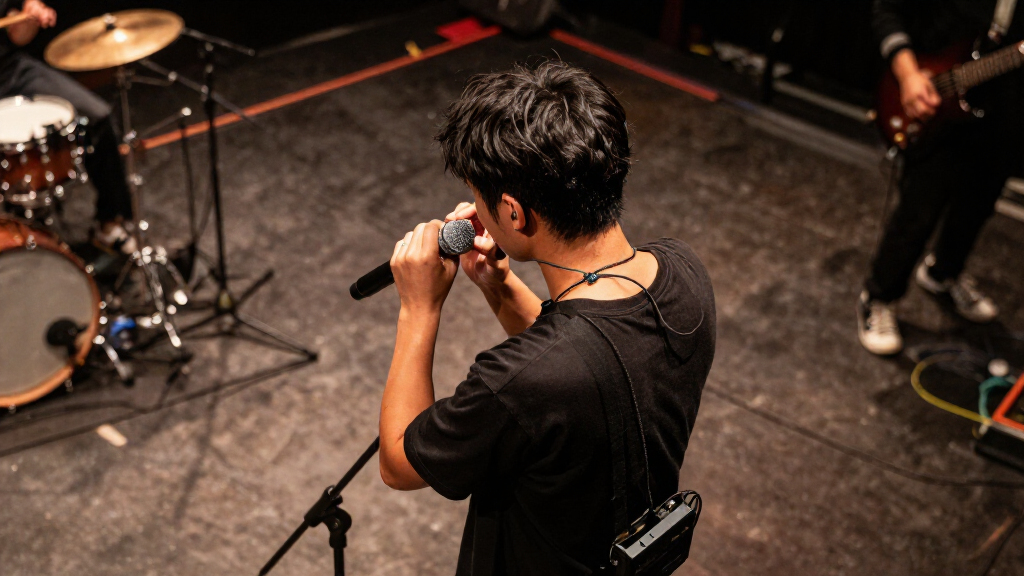

The best wireless in-ear monitors for musicians depend on how many performers need a mix, how much setup control you want, and what your stage’s wireless environment is like. My best overall pick is the Sennheiser XSW IEM for musicians prioritizing a dedicated performance system from an established audio brand. The XTUGA SEM200 stands out for supplying four bodypacks, while the Xvive U45D is a compelling option for performers who want true-stereo monitoring. The main tradeoffs are between multi-user capacity, wireless flexibility, setup simplicity, and the reliability needs of live performance. Read on for the full breakdown of all 14 systems and guidance on choosing the right fit for your stage.

Get audio and creator gear delivered free with Prime
- Fast, free delivery on millions of items
- Prime Video, Amazon Music and more included
- Member-only deals all year
Complete the kit


Key Takeaways
- The lineup serves two different setups: systems with multiple bodypacks, such as the XTUGA SEM200 and OPQRST JM20508, can suit shared transmitter arrangements, while compact single-receiver kits are aimed at individual performers.
- True stereo is a distinct buying priority, not a universal upgrade. The Xvive U45D and Xvive U45 True Diversity models appeal to musicians who need stereo imaging or more reception resilience, while a mono mix can be simpler for many live rigs.
- Wireless band and venue conditions matter as much as channel count. The UHF and 2.4GHz options in this list make different compromises, so buyers should check local spectrum conditions and other stage wireless gear before choosing.
- Convenience features change the workflow. The LEKATO MS-20’s charging case may suit quick turnarounds, while conventional bodypack systems may be easier to integrate into a larger, fixed stage setup.
- More receivers do not automatically mean more independent mixes. A kit with several bodypacks can help performers monitor one transmitter feed, but a band needing separate mixes must plan for the mixer outputs and transmitter routing to support them.
| XTUGA SEM200 Stereo Wireless In-Ear Monitor System with 4 Bodypacks |  | Best for Bands Sharing a Monitor System | Wireless range: Up to 230 feet (70 m) | Channels: 200 tunable channels | Frequency range: 550–599 MHz | VIEW LATEST PRICE | See Our Full Breakdown |
| Donner CV-3 Wireless In-Ear Monitor System |  | Best for Clear, On-Body Controls | Wireless frequency: 2.4 GHz | Audio sampling rate: 192 kHz | Audio bit depth: 24-bit | VIEW LATEST PRICE | See Our Full Breakdown |
| Xvive U4 Wireless In-Ear Monitor System |  | Best for Low-Latency Personal Monitoring | Wireless technology: 2.4 GHz | Working range: Over 90 ft (27 m) | Latency: Less than 5 ms | VIEW LATEST PRICE | See Our Full Breakdown |
| JOYO JW-07 2.4GHz Wireless In-Ear Monitor System |  | Best for Short-Range Practice | Wireless frequency: 2.4 GHz | Audio resolution: 48 kHz/16-bit | Latency: Less than 5 ms | VIEW LATEST PRICE | See Our Full Breakdown |
| Xvive U45D True Stereo Wireless In-Ear Monitor System |  | Best for Flexible Stereo Routing | Wireless frequency: 5.8 GHz | Monitoring modes: Stereo, L, R, Mix | Inputs: Dual XLR | VIEW LATEST PRICE | See Our Full Breakdown |
| LEKATO MS-1 2.4GHz Wireless In-Ear Monitor System |  | Best for Shared Monitoring | Wireless frequency: 2.4 GHz | Audio transmission: Stereo or mono | Latency: Less than 12 ms | VIEW LATEST PRICE | See Our Full Breakdown |
| Xvive U45 5.8GHz Wireless In-Ear Monitor System |  | Best for Low-Latency Simplicity | Wireless frequency: 5.8 GHz | Latency: Less than 5 ms | Wireless range: Up to 100 ft | VIEW LATEST PRICE | See Our Full Breakdown |
| Sennheiser XSW IEM Wireless In-Ear Monitoring System, A Band, Black |  | Best Complete Starter Kit | Frequency range: 476–500 MHz | Included components: Transmitter, receiver, IE 4 in-ear headphones, rack-mount kit, power supply with adapters, 2 AA batteries | Audio impedance: 6 ohm | VIEW LATEST PRICE | See Our Full Breakdown |
| POGOLAB Wireless In-Ear Monitor System, 7-Channel UHF |  | Best for Channel Choice and Reach | Wireless band: UHF | Selectable channels: 7 | Audio resolution: 48 kHz/24-bit | VIEW LATEST PRICE | See Our Full Breakdown |
| Xvive U45 5.8 GHz True Diversity Wireless In-Ear Monitor System |  | Best for True Diversity Reception | Wireless frequency: 5.8 GHz | Audio resolution: 24-bit/48 kHz | Frequency response: 20 Hz–20 kHz | VIEW LATEST PRICE | See Our Full Breakdown |
| OPQRST JM20508 8-Bodypack Wireless In-Ear Monitor System |  | Best for Large Ensembles | Receivers: 8 bodypacks | Channels: 2 | Frequency range: 520–580 MHz | VIEW LATEST PRICE | See Our Full Breakdown |
| LEKATO MS-20 Wireless In-Ear Monitor System with Charging Case |  | Best for Rechargeable Multi-User Setup | Wireless frequency: 2.4 GHz | Included components: 1 transmitter, 2 receivers, charging case, OTG cable | Battery life: Up to 30 hours with case | VIEW LATEST PRICE | See Our Full Breakdown |
| LEKATO MS-02 Wireless In-Ear Monitor System |  | Best for Compact, Low-Latency Monitoring | Wireless frequency: 2.4 GHz | Latency: Under 4.5 ms in mono mode | Audio sampling rate: 24-bit/48 kHz | VIEW LATEST PRICE | See Our Full Breakdown |
| Phenyx Pro PTM-11-2B Wireless In-Ear Monitor System with Two Bodypack Receivers |  | Best Complete Mono Kit | Monitoring: Mono | Frequency band: UHF 900 MHz | Selectable frequencies: 50 | VIEW LATEST PRICE | See Our Full Breakdown |
| wireless in-ear monitors for musician | Battery life | Latency | Wireless range | Wireless frequency |
|---|---|---|---|---|
| XTUGA SEM200 Stereo Wireless I | — | — | Up to 230 feet (70 m) | — |
| Donner CV-3 Wireless In-Ear Mo | Up to 10 hours | Less than 6 ms | 100 feet | 2.4 GHz |
| Xvive U4 Wireless In-Ear Monit | Up to 5 hours | Less than 5 ms | — | — |
| JOYO JW-07 2.4GHz Wireless In- | Over 8 hours | Less than 5 ms | — | 2.4 GHz |
| Xvive U45D True Stereo Wireles | Up to 5 hours | Less than 5 ms | Up to 100 ft | 5.8 GHz |
| LEKATO MS-1 2.4GHz Wireless In | More than 5 hours | Less than 12 ms | Up to 100 feet in open areas | 2.4 GHz |
| Xvive U45 5.8GHz Wireless In-E | Up to 5 hours | Less than 5 ms | Up to 100 ft | 5.8 GHz |
| Sennheiser XSW IEM Wireless In | — | — | — | — |
| POGOLAB Wireless In-Ear Monito | Up to 5 hours | 1 ms | — | — |
| Xvive U45 5.8 GHz True Diversi | Up to 5 hours | Under 5 ms | — | 5.8 GHz |
| OPQRST JM20508 8-Bodypack Wire | — | — | Over 300 feet | — |
| LEKATO MS-20 Wireless In-Ear M | Up to 30 hours with case | — | Up to 150 feet in open areas | 2.4 GHz |
| LEKATO MS-02 Wireless In-Ear M | Up to 6–8 hours | Under 4.5 ms in mono mode | Up to 100 feet in open areas | 2.4 GHz |
| Phenyx Pro PTM-11-2B Wireless | — | — | — | — |
More Details on Our Top Picks
XTUGA SEM200 Stereo Wireless In-Ear Monitor System with 4 Bodypacks
The XTUGA SEM200 is the clearest fit here for a band that needs several musicians monitoring from one kit: it includes four receivers, while the Donner CV-3 and Xvive U4 descriptions list a single receiver each. Its 200 tunable UHF channels and stated range of up to 230 feet give a stage setup more room to find a usable channel and move around than the JOYO JW-07’s shorter open-space range. Stereo and mono modes also let a group adapt the feed to its mixer and monitoring preferences. The tradeoff is that the listed 550–599 MHz band may not suit every location, so check local frequency rules and available spectrum before buying. Bluetooth 5.3 adds a convenient playback route, but this is still a larger shared system rather than a minimal personal setup.
Pros:- Four included receivers make it suited to multi-musician use from one kit.
- Up to 230 feet of stated range supports more movement than the JOYO JW-07’s 40–60-foot open-space range.
- 200 tunable channels give users channel options within its listed frequency band.
- Stereo and mono modes plus Bluetooth 5.3 streaming support flexible monitoring and playback.
Cons:- The 550–599 MHz operating range may be restricted or crowded depending on location.
- Four receivers and a transmitter make this a larger kit than a simple single-musician system.
- Bluetooth streaming is an added source option, not a substitute for checking live RF conditions.
Best for: Bands that want one transmitter and four included receivers for shared wireless monitoring, with enough stated range for larger stages.
Not ideal for: Musicians who need a compact single-person kit or cannot confirm that the 550–599 MHz frequency range is usable in their area.
- Wireless range:Up to 230 feet (70 m)
- Channels:200 tunable channels
- Frequency range:550–599 MHz
- Bluetooth:5.3
- Monitoring modes:Stereo and mono
- Included receivers:4
- Audio impedance:20 ohms
- Enclosure material:Metal
Our verdict“Choose the SEM200 if several band members need receivers from one system and its UHF band is suitable for your venue.”
Donner CV-3 Wireless In-Ear Monitor System
The Donner CV-3 makes the most sense for a musician who wants useful status information at the beltpack rather than a multi-receiver package. Its color screen makes audio information easier to check between songs, and the stated under-6-ms latency is a practical fit for timing-sensitive playing. Compared with the Xvive U4, the CV-3 lists up to 10 hours of battery life rather than five, which better suits longer rehearsals or sets. It also offers stereo and mono monitoring. Its main compromise is the 2.4 GHz band, which can be busy in some venues, while the 100-foot stated range is less suited to expansive stages than the XTUGA SEM200’s claimed reach. This is a one-transmitter, one-receiver system, not a shared band kit.
Pros:- Color receiver screen makes audio information easier to check during setup and performance.
- Up to 10 hours of stated battery life exceeds the Xvive U4’s listed five hours.
- Under-6-ms latency supports responsive live playing.
- Mono and stereo modes accommodate different monitor mixes.
Cons:- 2.4 GHz operation may face congestion from other wireless devices in a venue.
- The stated 100-foot range is shorter than the XTUGA SEM200’s claimed range.
- The listed kit includes one receiver, so multiple musicians need additional compatible equipment.
Best for: A solo performer or musician who values a readable receiver screen, longer stated battery life, and mono/stereo flexibility for rehearsals and gigs.
Not ideal for: Bands seeking several receivers in one package or performers working across large stages where a 100-foot stated range may be limiting.
- Wireless frequency:2.4 GHz
- Audio sampling rate:192 kHz
- Audio bit depth:24-bit
- Latency:Less than 6 ms
- Wireless range:100 feet
- Battery life:Up to 10 hours
- Monitoring modes:Mono and stereo
- Receiver weight:0.14 lb
Our verdict“Pick the CV-3 for a single musician who wants a screen-equipped beltpack and longer stated runtime more than extended range or multiple receivers.”
Xvive U4 Wireless In-Ear Monitor System
For musicians who put response time ahead of long runtime, the Xvive U4 is a focused personal-monitoring option. Its stated latency under 5 ms is lower than the Donner CV-3’s listed under-6-ms figure, and six channels provide choices for setups where more than one wireless feed is in use. The package includes one transmitter and one receiver, making it more straightforward for an individual performer than the four-receiver XTUGA SEM200. The compromise is endurance: up to five hours is less than the CV-3’s stated 10 hours, so long events may call for charging breaks or a backup plan. Its 2.4 GHz operation can also encounter crowded spectrum, and the unit is not water resistant—an issue for sweaty performances or outdoor use.
Pros:- Stated latency under 5 ms suits timing-sensitive live monitoring.
- Six channels offer options when coordinating multiple wireless systems.
- Over 90 feet of stated working range supports movement around many performance spaces.
- Metal enclosure provides a more substantial housing than a lightweight plastic design.
Cons:- Up to five hours of battery life is shorter than the Donner CV-3’s stated runtime.
- Not water resistant, which limits confidence in wet or sweat-heavy conditions.
- 2.4 GHz operation may be affected by congestion in busy wireless environments.
Best for: Solo performers who prioritize very low stated latency and need a compact transmitter-and-receiver setup for rehearsals or shorter sets.
Not ideal for: Musicians playing long events without charging access, or performers who need water resistance or several receivers in the box.
- Wireless technology:2.4 GHz
- Working range:Over 90 ft (27 m)
- Latency:Less than 5 ms
- Channels:6
- Battery life:Up to 5 hours
- Included components:1 receiver, 1 transmitter, 1/4-inch-to-XLR adapter, carrying bag
- Weight:320 g
- Water resistance:Not water resistant
Our verdict“Choose the U4 for low-latency personal monitoring on shorter sets, but favor the CV-3 if longer battery life matters more.”
JOYO JW-07 2.4GHz Wireless In-Ear Monitor System
The JOYO JW-07 is best matched to rehearsal rooms and compact stages where its stated 40–60-foot open-space range is enough. It keeps the core monitoring response quick, with latency under 5 ms, and its over-eight-hour battery life outlasts the Xvive U4’s listed five hours. Twelve channel banks split across four groups give users several settings to coordinate, while frequency hopping is intended to help manage interference. The catch is a hard limit for group use: one transmitter cannot connect to multiple receivers. That rules it out as a one-kit solution for a band, unlike the XTUGA SEM200, which includes four receivers. Its 2.4 GHz operation and open-space range also make it a less compelling pick for large, crowded venues.
Pros:- Over eight hours of stated battery life supports longer rehearsals than the Xvive U4’s listed five hours.
- Latency under 5 ms supports responsive playing.
- Twelve channel banks across four groups offer setup choices for practice and small performances.
- Frequency hopping is designed to help reduce interference.
Cons:- A transmitter cannot connect to multiple receivers, limiting shared band use.
- The stated 40–60-foot range applies to open space and is shorter than the Donner CV-3’s 100-foot claim.
- 2.4 GHz operation may be less predictable in venues with crowded wireless traffic.
Best for: Solo musicians and small rehearsal setups that need a straightforward system with long stated battery life and do not require one transmitter to feed multiple receivers.
Not ideal for: Bands wanting a shared transmitter for several performers, or musicians who need dependable coverage beyond a compact stage or practice room.
- Wireless frequency:2.4 GHz
- Audio resolution:48 kHz/16-bit
- Latency:Less than 5 ms
- Operating range:40–60 ft in open space
- Battery life:Over 8 hours
- Channel banks:12, divided into 4 groups
- Multi-receiver support:One transmitter cannot connect to multiple receivers
Our verdict“The JW-07 suits solo rehearsal and short-stage use, but bandmates needing the same transmitter feed should choose a multi-receiver system such as the XTUGA SEM200.”
Xvive U45D True Stereo Wireless In-Ear Monitor System
The Xvive U45D stands apart from the Xvive U4 through its dual XLR inputs and four monitor modes: Stereo, L, R, and Mix. That makes it a stronger match for performers who need to keep a stereo feed intact or choose a specific side or blended signal at the receiver. Its 5.8 GHz operation also differs from the 2.4 GHz Donner CV-3 and JOYO JW-07, though the band choice alone does not guarantee a clean connection in every venue. The stated range reaches up to 100 feet and latency is under 5 ms, but battery life tops out at five hours—well below the CV-3’s listed 10. This is a routing-focused personal system, not the multi-receiver band package offered by the XTUGA SEM200.
Pros:- Dual XLR inputs accept separate left and right signals for stereo monitor feeds.
- Stereo, L, R, and Mix modes support more routing choices than the Xvive U4 listing.
- Under-5-ms latency and up to 100 feet of stated range suit many live setups.
- Receivers on the same channel can share a monitor mix.
Cons:- Up to five hours of battery life is shorter than the Donner CV-3’s stated 10 hours.
- The 5.8 GHz band may still face venue-specific interference and range limitations.
- The listed system does not provide the four receivers included with the XTUGA SEM200.
Best for: Performers using a mixer’s separate left and right XLR outputs who want stereo, single-side, or blended monitoring options.
Not ideal for: Musicians needing all-day battery life or multiple receivers included for a full band sharing one transmitter.
- Wireless frequency:5.8 GHz
- Monitoring modes:Stereo, L, R, Mix
- Inputs:Dual XLR
- Latency:Less than 5 ms
- Wireless range:Up to 100 ft
- Battery life:Up to 5 hours
- Channels:6
- Headphone jack:3.5 mm
Our verdict“Choose the U45D when dual-XLR stereo routing and selectable mix modes matter more than extended runtime or a multi-receiver bundle.”
LEKATO MS-1 2.4GHz Wireless In-Ear Monitor System
The LEKATO MS-1 is the clearest fit here for a band that wants one transmitter to serve several musicians: it supports up to six receivers, with automatic pairing to simplify setup. Stereo or mono transmission gives it more routing flexibility than a basic single-mode setup, though stereo requires a stereo source and cable. Its stated 24-bit/48 kHz audio and latency below 12 ms suit general rehearsal and live monitoring, while the Xvive U45 is the stronger pick if minimizing latency is the priority, at under 5 ms. The tradeoff is a 2.4 GHz connection and a range claim tied to open areas, so venue conditions may affect usable distance. More than five hours of battery life is useful, but still calls for a charging plan on long show days.
Pros:- One transmitter supports up to six receivers
- Stereo or mono transmission offers flexible monitoring
- Automatic pairing reduces setup steps
- Stated audio resolution is 24-bit/48 kHz
Cons:- Latency is under 12 ms, higher than the stated figure for the Xvive U45
- The 100-foot range is specified for open areas
- Stereo transmission requires a stereo source and cable
Best for: Small bands that want one transmitter to feed up to six musician receivers and value stereo-or-mono operation.
Not ideal for: Performers who prioritize latency below 5 ms or need to rely on the full stated range in obstructed venues.
- Wireless frequency:2.4 GHz
- Audio transmission:Stereo or mono
- Latency:Less than 12 ms
- Audio resolution:24-bit/48 kHz
- Receiver capacity:Up to 6 receivers per transmitter
- Battery life:More than 5 hours
- Wireless range:Up to 100 feet in open areas
- Warranty:One year
Our verdict“Choose the MS-1 when several musicians need feeds from one transmitter and shared receiver capacity matters more than the lowest latency.”
Xvive U45 5.8GHz Wireless In-Ear Monitor System
The Xvive U45 suits performers who want a straightforward wireless link with under 5 ms latency and automatic channel scanning. That low delay can make monitoring feel more immediate than the LEKATO MS-1, whose stated latency is under 12 ms. The U45 also claims up to 100 feet of range and includes a transmitter, receiver, adapter, cable, and carrying bag, so it arrives with practical setup pieces. Its main limitation is endurance: up to five hours per charge leaves little margin for long rehearsals or back-to-back events without charging breaks. Compared with the Sennheiser XSW IEM, this is a compact, simpler system rather than a fuller starter package with headphones and rack hardware. Choose it for a focused transmitter-and-receiver setup, not an all-in-one kit.
Pros:- Latency is specified at less than 5 ms
- Automatic channel scanning helps find a usable connection
- USB Type-C charging for transmitter and receiver
- Includes a carrying bag and 1/4-inch-to-XLR adapter
Cons:- Battery life is limited to up to five hours
- The listed kit does not specify included in-ear headphones
- The stated range does not describe performance through venue obstructions
Best for: Solo performers or small acts who want low stated latency, channel scanning, and a portable transmitter-receiver kit.
Not ideal for: Musicians playing long sessions without charging access or buyers who need included in-ear headphones and rack-mount accessories.
- Wireless frequency:5.8 GHz
- Latency:Less than 5 ms
- Wireless range:Up to 100 ft
- Battery life:Up to 5 hours
- Charging:USB Type-C
- Included components:Transmitter, receiver, USB cable, 1/4-inch-to-XLR adapter, carrying bag
- Color:Black
Our verdict“Pick the U45 for a portable, low-latency monitoring link, provided five-hour battery life fits your set and rehearsal schedule.”
Sennheiser XSW IEM Wireless In-Ear Monitoring System, A Band, Black
The Sennheiser XSW IEM is the most ready-to-build-out choice in this group: the package includes a transmitter, receiver, IE 4 headphones, rack-mount kit, power supply, and batteries. That makes it more complete than the Xvive U45, which is supplied as a transmitter-and-receiver kit without specified headphones. Its UHF operation and controls for focus mode, EQ, and a limiter give musicians practical ways to shape and manage a monitor mix; infrared syncing also helps when pairing receivers. The compromise is its specific A-band range of 476–500 MHz, which buyers should check against local frequency rules and venue RF plans. The included headphones are wired, as is standard for this kind of system, and the fixed band offers less frequency flexibility than a system with multiple listed channels.
Pros:- Includes transmitter, receiver, IE 4 headphones, and rack-mount kit
- UHF wireless operation
- Focus mode, EQ, and limiter controls
- Infrared syncing assists receiver setup
Cons:- A-band frequency range is limited to 476–500 MHz
- Included in-ear headphones connect by wire to the receiver
- More rack-oriented than the compact Xvive U45 kit
Best for: Musicians assembling their first rack-based monitor setup who want headphones, mounting hardware, and mix-shaping controls in the package.
Not ideal for: Buyers who need a different UHF frequency band, or performers seeking a compact kit without rack hardware.
- Frequency range:476–500 MHz
- Included components:Transmitter, receiver, IE 4 in-ear headphones, rack-mount kit, power supply with adapters, 2 AA batteries
- Audio impedance:6 ohm
- Driver type:Dynamic
- Item weight:160 g
- Enclosure materials:Metal, plastic, silicone
- Warranty:2 years
Our verdict“Choose the XSW IEM if you want a bundled, rack-ready starter system with headphones and mix controls, after checking that its A band suits your location.”
POGOLAB Wireless In-Ear Monitor System, 7-Channel UHF
The POGOLAB MWB-1 stands out for musicians who need more room to manage wireless connections: it offers seven selectable UHF channels, balanced XLR and AUX/LINE inputs, and a stated line-of-sight range of up to 164 feet. Its 1 ms latency is the lowest figure listed among these five products, making it an especially appealing spec for players sensitive to delay. Compared with the LEKATO MS-1, POGOLAB emphasizes channel selection and reach rather than support for as many as six receivers from one transmitter. The reported range depends on clear line of sight, and the frequency response of 35 Hz–16.5 kHz is narrower on paper than the 20 Hz–20 kHz figures listed for the LEKATO and Xvive systems. Battery life remains capped at up to five hours, so plan charging around longer calls.
Pros:- Seven selectable UHF channels
- Latency is specified at 1 ms
- Balanced XLR and AUX/LINE inputs support different signal sources
- Stated range reaches up to 164 ft in line-of-sight conditions
Cons:- Battery life is up to five hours
- The range specification depends on clear line of sight
- Frequency response is specified as 35 Hz–16.5 kHz
Best for: Gigging musicians who need selectable UHF channels, XLR or line-level input options, and a longer stated line-of-sight range.
Not ideal for: Players who need extended battery runtime, stereo transmission, or a range that is not contingent on clear line of sight.
- Wireless band:UHF
- Selectable channels:7
- Audio resolution:48 kHz/24-bit
- Latency:1 ms
- Range:Up to 164 ft (50 m), line of sight
- Frequency response:35 Hz–16.5 kHz
- Inputs:Balanced XLR and AUX/LINE
- Battery life:Up to 5 hours
Our verdict“Choose the POGOLAB when channel selection, input flexibility, and low stated latency outweigh its five-hour runtime and line-of-sight range limits.”
Xvive U45 5.8 GHz True Diversity Wireless In-Ear Monitor System
This version of the Xvive U45 is the pick for musicians who want reception features spelled out: its receiver uses True Diversity with dual antennas, and channel scanning helps locate an available channel. It also lists 24-bit/48 kHz audio, under 5 ms latency, and a 110 dB signal-to-noise ratio, placing it ahead of the standard Xvive U45 in the supplied reception details. Up to six channels allow more coordination than a simple fixed-channel setup, though that is not the same as the LEKATO MS-1’s stated support for up to six receivers per transmitter. The tradeoffs are familiar for this family: up to five hours of battery life, plus no in-ear headphones specified in the included package. Its XLR or 1/4-inch TS connections cover common mixer outputs, but buyers should confirm their source level matches the selectable input modes.
Pros:- True Diversity reception uses a dual-antenna receiver
- Under 5 ms latency with 24-bit/48 kHz audio
- Channel scanning and support for up to six channels
- Balanced XLR or 1/4-inch TS connections
Cons:- Battery life is up to five hours
- No in-ear headphones are specified as included
- Six-channel support does not state support for six receivers per transmitter
Best for: Performers who want a 5.8 GHz system with dual-antenna True Diversity reception, channel scanning, and common mixer connections.
Not ideal for: Musicians who need included in-ear headphones, longer battery life, or multiple receivers from one transmitter as a stated feature.
- Wireless frequency:5.8 GHz
- Audio resolution:24-bit/48 kHz
- Frequency response:20 Hz–20 kHz
- Signal-to-noise ratio:110 dB
- Latency:Under 5 ms
- Maximum channels:6
- Connections:Balanced XLR or 1/4-inch TS
- Battery life:Up to 5 hours
Our verdict“Choose this U45 when True Diversity reception and channel scanning are priorities, and you already have compatible in-ear headphones.”
OPQRST JM20508 8-Bodypack Wireless In-Ear Monitor System
I’d put the JM20508 on the shortlist for bands that need to distribute a monitor feed to many performers: its transmitter supports eight bodypack receivers, more than the two included with the Phenyx Pro PTM-11-2B. Its 40 preset frequencies offer practical options for setup and changing frequencies, while dual antennas and limiter circuitry add useful tools for a stage rig. The tradeoff is that this is a mono system, so musicians seeking stereo placement should look at a stereo option such as the LEKATO MS-20 instead. Each pack also needs two AA batteries, which are not included, making battery planning part of the setup. I’d choose it for a group that values receiver count over stereo monitoring and rechargeable convenience.
Pros:- Supports up to eight bodypack receivers from one transmitter
- 40 preset frequencies provide multiple setup and switching options
- Dual antennas and limiter circuitry are included
- Metal transmitter enclosure
Cons:- Mono audio does not provide stereo placement
- Each receiver needs two AA batteries, which are not included
- A stated range over 300 feet may exceed what many small stages need
Best for: Bands, worship teams, or theater groups that need to provide one mono monitor mix to as many as eight bodypack users.
Not ideal for: Musicians who need stereo monitoring, rechargeable receivers, or a complete battery-ready kit.
- Receivers:8 bodypacks
- Channels:2
- Frequency range:520–580 MHz
- Preset frequencies:40
- Wireless range:Over 300 feet
- Audio mode:Mono
- Headphone jack:1/4-inch
- Receiver power:Two AA batteries per receiver; batteries not included
Our verdict“Choose the JM20508 when one transmitter must serve a large group and mono monitoring is acceptable.”
LEKATO MS-20 Wireless In-Ear Monitor System with Charging Case
The MS-20 is the most convenient pick here for musicians who want a compact, rechargeable setup that can grow beyond its included pair of receivers. Its charging case provides up to 30 hours of use, a more practical arrangement for repeated rehearsals than the AA-powered OPQRST JM20508. It also supports mono/stereo switching and OTG input, giving it more flexibility for different sources and monitoring preferences. The stated 150-foot range applies to open areas, so I would not treat that as a guaranteed distance in a crowded venue. One other catch: earphones are not included, unlike the Phenyx Pro PTM-11-2B, so buyers need compatible listening gear already or must source it separately. This is a strong fit for smaller teams prioritizing charge management and flexible connections.
Pros:- Charging case supports up to 30 hours of use
- Includes one transmitter and two receivers
- Supports up to 10 pairs of receivers
- Offers mono/stereo switching and OTG input
Cons:- Earphones are not included
- The stated 150-foot range is for open areas
- A 2.4 GHz system may be a less suitable fit for users who specifically need a UHF setup
Best for: Small bands and rehearsal groups that want two included receivers, charging-case convenience, and the option to add more receiver pairs.
Not ideal for: Musicians who need included earphones, dependable range through venue obstacles, or a simple fixed mono setup.
- Wireless frequency:2.4 GHz
- Included components:1 transmitter, 2 receivers, charging case, OTG cable
- Battery life:Up to 30 hours with case
- Charging case capacity:2000 mAh
- Wireless range:Up to 150 feet in open areas
- Audio resolution:24-bit/48 kHz
- Frequency response:20 Hz–20 kHz
- Receiver capacity:Up to 10 pairs
- Earphones included:No
Our verdict“Pick the MS-20 if rechargeable convenience and room to add receivers matter more than having earphones in the box.”
LEKATO MS-02 Wireless In-Ear Monitor System
I’d favor the MS-02 for a musician who wants a compact 2.4 GHz rig and cares about keeping monitor timing tight: its stated latency is under 4.5 ms in mono mode. It also offers mono and stereo modes, while the OPQRST JM20508 is limited to mono; that flexibility can make the LEKATO a better match for players who want stereo when the mix and setup allow it. The reach is more modest, at up to 100 feet in open areas, and battery life is listed at 6–8 hours, both below the MS-20’s stated range and case-supported runtime. Earbuds are sold separately, too. With support for up to four receiver pairs, it suits a small group better than a large ensemble. I’d choose it for short-range rehearsal or performance rigs, not for a team needing extended runtime or broad coverage.
Pros:- Under 4.5 ms stated latency in mono mode
- Offers mono and stereo modes
- One transmitter supports up to four receiver pairs
- Receiver volume controls and one-key mute function
Cons:- Earbuds are not included
- Up to 6–8 hours of battery life may not cover longer sessions
- The stated 100-foot range applies to open areas
Best for: Solo performers and small groups seeking a compact system with mono/stereo modes and stated low latency for nearby stage monitoring.
Not ideal for: Large ensembles, musicians needing long sessions without charging, or buyers expecting earbuds in the box.
- Wireless frequency:2.4 GHz
- Latency:Under 4.5 ms in mono mode
- Audio sampling rate:24-bit/48 kHz
- Wireless range:Up to 100 feet in open areas
- Battery life:Up to 6–8 hours
- Receiver capacity:Up to 4 receiver pairs
- Modes:Mono and stereo
- Included items:Transmitter, 1 wireless receiver, 3.5 mm to 6.35 mm adapter, 2 audio cables, 2 USB-C charging cables
- Earbuds included:No
Our verdict“Choose the MS-02 for a compact, short-range setup where low stated mono latency matters more than long runtime or a large receiver count.”
Phenyx Pro PTM-11-2B Wireless In-Ear Monitor System with Two Bodypack Receivers
The PTM-11-2B makes sense for musicians who want a ready-to-start UHF kit rather than sourcing listening gear separately: it includes two bodypacks and two earphones, along with batteries and rackmount accessories. Its 50 selectable frequencies and support for up to five systems working together give it useful coordination options for multi-system setups. Compared with the LEKATO MS-20, it lacks stereo switching and a charging case, but the Phenyx arrives with more of the basic listening kit already in the box. The monitoring is mono only, so players who depend on stereo separation should choose a different model. Its stated 164-foot range can also be reduced by thick walls, glass, or metal. I’d rank it for performers who value included accessories and straightforward mono UHF monitoring over wireless format flexibility.
Pros:- Includes two bodypack receivers and two earphones
- 50 selectable frequencies
- Supports up to five systems working together
- Includes batteries, rackmount kit, and carrying case
Cons:- Mono monitoring does not offer stereo separation
- Range may be affected by thick walls, glass, or metal
- Does not include a charging case for receiver power
Best for: Musicians or presenters who want a two-person mono UHF kit with earphones, batteries, and rackmount accessories included.
Not ideal for: Players who need stereo monitoring, a charging case, or a system intended to work reliably through substantial venue obstacles.
- Monitoring:Mono
- Frequency band:UHF 900 MHz
- Selectable frequencies:50
- Operating range:Up to 164 feet
- Receivers:2 UHF bodypack receivers
- Earphones:2 included
- Inputs:Left and right
- Outputs:Left and right line outputs
- Included accessories:Power adapter, antenna, 4 AA batteries, rackmount kit, carrying case, user manual
Our verdict“Choose the PTM-11-2B if you want a two-person mono UHF kit with earphones and setup accessories included.”
How We Picked
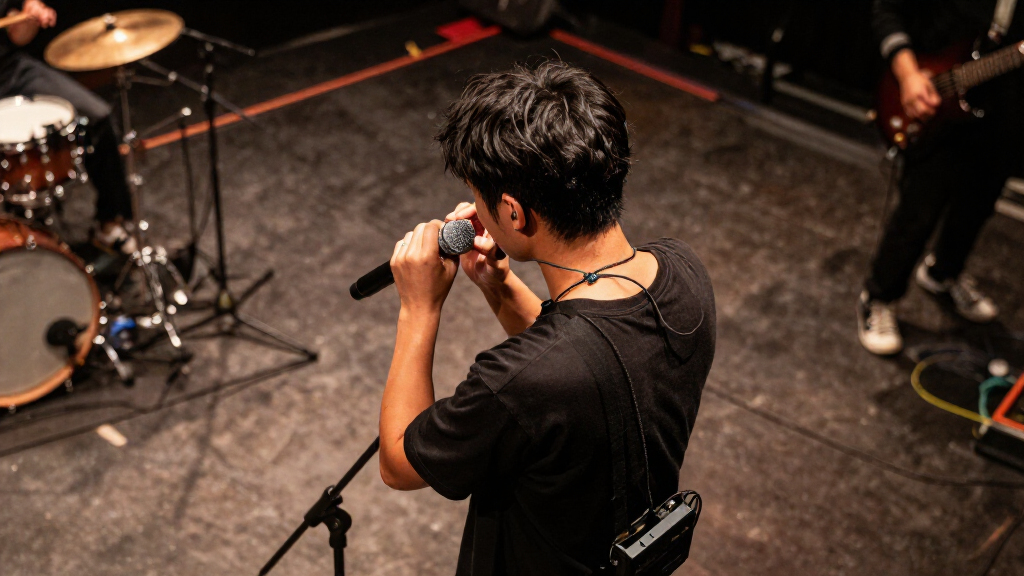
I compared the 14 systems around the demands of live musicians rather than treating them as interchangeable wireless audio gadgets. The main criteria were the kind of monitoring they support, receiver and bodypack capacity, frequency approach, setup and control demands, portability, and how readily each system can fit a practical stage workflow. I also considered whether a system’s strengths solve a specific musician’s problem, such as supplying several performers, keeping a rig compact, or supporting stereo monitoring.
The ranking favors systems with a clear use case and a sensible balance of performance needs, usability, and flexibility. A product aimed at several performers is not automatically ranked above a simpler personal kit: its extra receivers matter only when the band’s routing and mix needs match. Likewise, advanced features earn a higher place only when they offer a meaningful benefit for musicians. Because real-world wireless performance depends on venue conditions, frequency coordination, and setup, I treat specifications as decision clues rather than guarantees of uninterrupted reception.
| wireless in-ear monitors for musician | Battery life |
|---|---|
| XTUGA SEM200 Stereo Wireless I | — |
| Donner CV-3 Wireless In-Ear Mo | Up to 10 hours |
| Xvive U4 Wireless In-Ear Monit | Up to 5 hours |
| JOYO JW-07 2.4GHz Wireless In- | Over 8 hours |
| Xvive U45D True Stereo Wireles | Up to 5 hours |
| LEKATO MS-1 2.4GHz Wireless In | More than 5 hours |
| Xvive U45 5.8GHz Wireless In-E | Up to 5 hours |
| Sennheiser XSW IEM Wireless In | — |
| POGOLAB Wireless In-Ear Monito | Up to 5 hours |
| Xvive U45 5.8 GHz True Diversi | Up to 5 hours |
| OPQRST JM20508 8-Bodypack Wire | — |
| LEKATO MS-20 Wireless In-Ear M | Up to 30 hours with case |
| LEKATO MS-02 Wireless In-Ear M | Up to 6–8 hours |
| Phenyx Pro PTM-11-2B Wireless | — |
Factors to Consider When Choosing Wireless In-ear Monitors For Musicians
Choosing an in-ear system starts with the signal path and the way your band works, not the number of features on the box. These broader checks can help you avoid buying a system that is technically capable but awkward for your stage or mixing setup.
Match Receiver Count to Your Mix Plan
Count performers who need wireless receivers, then work out whether they need the same monitor feed or distinct mixes. Several bodypacks can share a transmitter feed, but they do not by themselves create separate monitor mixes. Separate mixes typically require the mixer to provide the needed outputs and each mix to reach an appropriate transmitter path. A common mistake is buying a multi-bodypack kit for a band that expects every musician to hear a different balance. Map the signal route from mixer output to transmitter to each receiver before deciding how many units to buy. If your group may grow, check whether adding compatible receivers or transmitters is supported rather than assuming expansion will be straightforward.
Choose Mono or Stereo Around the Mix
Stereo monitoring can preserve left-right placement and may help musicians separate parts in a carefully built mix. It also needs two suitable mixer outputs and more deliberate panning, so it can add setup work without helping a simple vocal-and-click monitor feed. Mono can be easier to manage, especially when the same mix needs to work across different venues and performers. Do not confuse a product’s stereo label with a guarantee that your whole signal chain is operating in stereo. Check whether the transmitter accepts the inputs your mixer provides and whether the receiver offers the monitoring mode you actually plan to use. Choose based on the mix you can reliably create, not just the format with more channels.
Plan for Wireless Congestion and Venue Changes
Wireless performance depends on the venue’s radio environment, transmitter placement, obstructions, and competing equipment. A frequency band that works well in one rehearsal room may be busy at a festival or theater, so review the system’s operating band and coordination options before committing. Digital 2.4GHz systems can be convenient, but that band is also used by common wireless devices. UHF systems follow a different frequency-planning path and still need attention to local regulations and available spectrum. Avoid placing transmitters beside other radio gear or behind metal structures, and test the full setup at performance distance. For touring musicians, the ability to coordinate channels and adapt to changing venues can matter more than a headline range figure.
Prioritize Fit, Controls, and Daily Handling
A wireless receiver only helps if the musician can wear it securely and adjust it without breaking focus. Check the bodypack’s size, clip, control layout, battery approach, and the way cables connect to your earphones. Charging cases can simplify between-set routines, but they are less useful if your band needs rapid battery replacement or standardized charging across a larger kit. Agree on who manages charging and labeling before the first show; unlabeled packs and depleted batteries create avoidable stage problems. Also check whether controls can be locked or protected from accidental changes during movement. For musicians sharing equipment, clear pack identification and a repeatable setup routine may be more useful than extra menu features.
Budget for the Complete Monitoring Chain
The wireless system is only one part of an in-ear rig. You may also need suitable earphones, mixer outputs, cables, spare batteries or charging access, and a way to keep packs and accessories organized. Spending more can make sense when a system’s monitoring flexibility, receiver design, or frequency-management features solve a real touring need. It is harder to justify a premium feature set if the band uses one fixed mono mix and plays in predictable spaces. Check connector compatibility and input level requirements before purchase so you do not discover a mismatch during setup. A realistic total-system plan helps distinguish useful capability from features that will sit unused.
Frequently Asked Questions
Can several musicians use one transmitter and hear different monitor mixes?
Several compatible receivers can often listen to one transmitter feed, but they will hear the same mix unless the system and mixer routing provide separate signal paths. A separate mix for each musician usually requires additional mixer outputs and the appropriate transmitter setup. Before buying a kit with multiple bodypacks, confirm whether its receivers share one feed or can be paired with independent transmitters. Ask your sound engineer how many monitor mixes the console can supply. This check can prevent buying extra receivers that do not solve the band’s actual monitoring problem.
Should I choose a 2.4GHz or UHF in-ear system for live shows?
Neither band is automatically right for every venue. A 2.4GHz system can offer a straightforward setup, but it shares spectrum with many everyday wireless devices. UHF systems use a different part of the spectrum and may suit some coordinated stage environments, though available frequencies and local rules still matter. Consider the other wireless equipment in your rig, the venues you play, and how much control you have over frequency planning. If you perform in changing or crowded environments, prioritize a system and workflow that let you check and coordinate frequencies rather than relying on the band name alone.
Do I need true stereo monitoring as a singer or instrumentalist?
True stereo can help preserve spatial placement when your monitor mix uses panning, which may be useful for a dense arrangement or a musician who relies on separation between parts. It also needs a suitable stereo signal path from the mixer and careful setup. Many performers can get a clear, dependable monitor from a well-balanced mono mix, especially when the priority is hearing vocals, cues, and a click. Decide based on whether stereo information improves your performance, not on the feature label by itself. If your mixer only provides one practical monitor output, a stereo-capable receiver may not add value to your current rig.
How many bodypack receivers should my band buy?
Start with the number of people who need to move freely while monitoring, then account for whether any performers can use wired packs or share a feed. One receiver per wireless performer is a practical starting point, but the transmitter and mixer outputs must also support the band’s mix plan. A kit with several packs can be efficient when everyone accepts the same monitor mix. If each player needs an individual balance, plan the mixer outputs and transmitter channels before counting receivers. Leave room in the plan for a spare pack or a replacement strategy if the system will be used for regular shows.
What else do I need besides a wireless in-ear monitor system?
Most musicians also need earphones that fit securely, a mixer or monitor output to feed the transmitter, and the correct cables for their audio connections. Depending on the system, plan for batteries or charging, spare accessories, and a way to label and store packs. Check whether your mixer can supply the number and type of monitor signals you want; the wireless kit cannot create mixes the console does not provide. Earphone fit and isolation also affect how clearly you hear the monitor, so treat them as part of the system rather than an afterthought. A complete signal-path check before a show can expose missing adapters or incompatible connectors while there is still time to fix them.
Conclusion
For musicians who want a strong all-around starting point, I recommend the Sennheiser XSW IEM as the best overall pick in this lineup. The XTUGA SEM200 is my best value choice for a setup where four performers can use a shared feed, while the Xvive U45D is the better fit for musicians prioritizing true-stereo monitoring. For a premium-leaning choice, consider the Xvive U45 5.8GHz True Diversity when its reception approach suits your stage and frequency plan. Beginners may prefer a simpler system such as the Xvive U4 rather than paying for multi-pack capacity or features they are not ready to use. For larger groups, compare the OPQRST JM20508 and Phenyx Pro PTM-11-2B against your receiver count and mix requirements; for a portable charging routine, look at the LEKATO MS-20. My final advice is to match the system to your mixer outputs, wireless environment, and actual number of independent mixes before choosing.