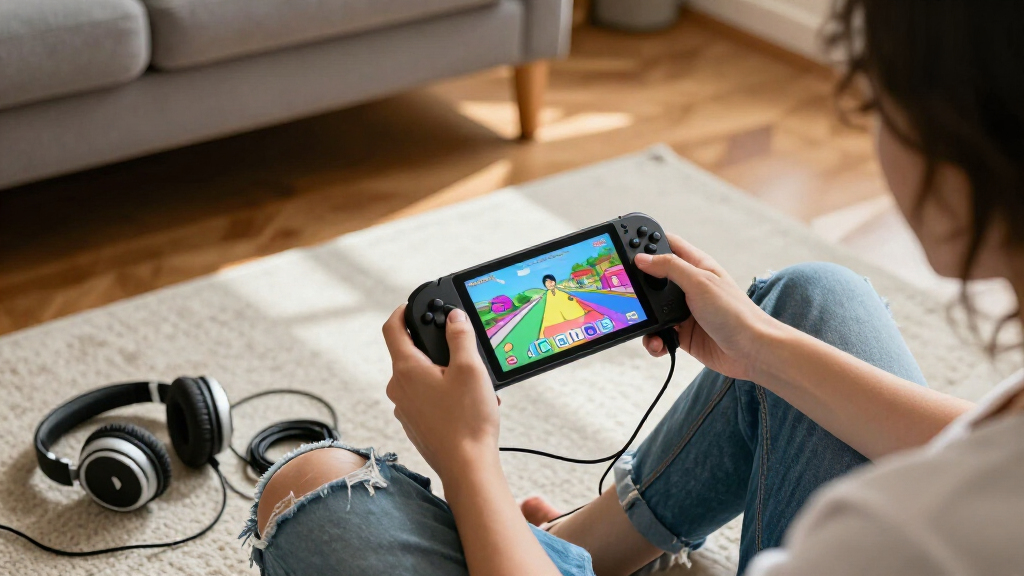

The best gaming handheld overall is the Valve Steam Deck OLED 1TB for its mix of a vivid display, portable design, and a focused handheld gaming experience. For Windows game libraries and higher-end hardware, the MSI Claw A8 and GPD Win 5 stand out, while the RG43H Pro offers a simpler route into retro gaming. The main tradeoffs are game compatibility, battery demands, operating-system complexity, and whether you want to stream games or run them locally. A powerful PC handheld can do more, but it may ask more of you to configure and carry. Read on for how all 15 picks compare and which one fits your play style.

Get audio and creator gear delivered free with Prime
- Fast, free delivery on millions of items
- Prime Video, Amazon Music and more included
- Member-only deals all year
Complete the kit


Key Takeaways
- Steam Deck OLED 1TB is the strongest all-around fit for buyers who value a focused handheld interface and an OLED screen over Windows flexibility.
- The MSI Claw A8 and GPD Win 5 target demanding PC gaming, but their performance ambitions come with more power and portability tradeoffs than simpler handhelds.
- The lineup splits into distinct use cases: Windows and Steam gaming PCs, Android and cloud-streaming devices, and dedicated retro players.
- Retro models such as the RG43H Pro and RF40H favor straightforward play and compact libraries over modern PC-game compatibility.
- A larger, faster screen is not automatically a better handheld: 8-inch 120Hz displays can aid visibility and motion, but size, battery use, and carrying comfort matter too.
| RG43H Pro Retro Handheld Game Console, 64GB |  | Best for Expandable Retro Play | Processor: Rockchip RK3562 quad-core | Operating systems: EmuELEC and RGBOX | Display: 4.3-inch IPS, 1024 × 768 | VIEW LATEST PRICE | See Our Full Breakdown |
| GPD Win 5 Handheld Gaming PC, Ryzen AI Max+ 395, 32GB RAM, 2TB SSD, Radeon 8060S |  | Best for Maximum Handheld PC Power | Processor: AMD Ryzen AI Max+ 395, 16-core | Graphics: Radeon 8060S, 40 CUs, RDNA 3.5 | Memory: 32GB LPDDR5X, 8000 MT/s | VIEW LATEST PRICE | See Our Full Breakdown |
| Retroid Pocket Flip 2 Android Handheld Game Console, 5.5-Inch AMOLED 1080p Display, 8GB RAM, 128GB Storage, Black | 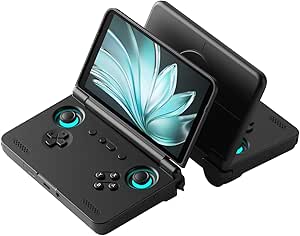 | Best Clamshell Android Handheld | Operating system: Android 13 | Processor and GPU: Qualcomm Snapdragon 865; Adreno 650 | Memory: 8GB LPDDR4x | VIEW LATEST PRICE | See Our Full Breakdown |
| ASUS ROG Xbox Ally 7-inch 1080p 120Hz Gaming Handheld |  | Best for Xbox and PC Game Libraries | Processor: AMD Ryzen Z2 A | Operating system: Windows 11 | Display: 7-inch 1080p touchscreen, 120Hz, FreeSync Premium | VIEW LATEST PRICE | See Our Full Breakdown |
| RF40H Handheld Retro Game Console with 4-Inch IPS Display |  | Best Ready-to-Play Retro Pick | Operating system: Linux | Display: 4-inch IPS, 720 × 720 | Storage: 64GB | VIEW LATEST PRICE | See Our Full Breakdown |
| RG56PRO Retro Handheld Game Console with EVA Hard Case, 128GB |  | Best Retro Pick with a Hard Case | Processor: Rockchip RK3562 quad-core, up to 2.0GHz | Operating system: Linux | Display: 5.5-inch IPS LCD, 1280 × 720 | VIEW LATEST PRICE | See Our Full Breakdown |
| MSI Claw A8 Gaming Handheld, AMD Ryzen Z2 Extreme, 8-inch FHD+ 120Hz Display, 24GB LPDDR5x, 1TB NVMe SSD, White |  | Best Premium Windows Handheld | Processor: AMD Ryzen Z2 Extreme | Operating system: Windows 11 Home | Display: 8-inch FHD+ (1920 × 1200), 120Hz | VIEW LATEST PRICE | See Our Full Breakdown |
| RG52MINI Retro Handheld Game Console with 5.5-Inch IPS Display |  | Best Expandable Retro Handheld | Processor: Rockchip RK3562 quad-core Cortex-A53, 2.0GHz | Memory: 2+4GB RAM | Operating systems: EmuELEC and RGBOX | VIEW LATEST PRICE | See Our Full Breakdown |
| MANGMI AIR X Android Handheld Game Console, 5.5-Inch FHD IPS Touchscreen, 4GB RAM, 64GB Storage, Black |  | Best for Android and Cloud Play | Processor: Qualcomm Snapdragon 662 octa-core, up to 2.1GHz | Operating system: Android 14 | Display: 5.5-inch FHD IPS touchscreen, 1920 × 1080, 400 nits, 100% sRGB | VIEW LATEST PRICE | See Our Full Breakdown |
| My Arcade Atari Pocket Player with 100 Games |  | Best for Atari Fans and Simple Play | Games: 100: 80 Atari 2600 games and 20 bonus games | Display: 2.75-inch color LCD | Power: Four AA batteries or USB-C | VIEW LATEST PRICE | See Our Full Breakdown |
| Valve Steam Deck OLED 1TB Handheld Gaming Console |  | Best Overall | Platform: Steam Deck | Display: 7.4-inch HDR OLED with anti-glare etched glass | Resolution: 1280 × 800 | VIEW LATEST PRICE | See Our Full Breakdown |
| ASUS ROG Xbox Ally Gaming Handheld, 7-inch 120Hz Touchscreen, Ryzen Z2 A, 16GB RAM, 512GB SSD, Windows 11 Home, with DKZ Hub |  | Best for Windows Game Libraries | Operating system: Windows 11 Home | Processor: AMD Ryzen Z2 A | Display: 7-inch 1080p IPS touchscreen, 120Hz, 500 nits | VIEW LATEST PRICE | See Our Full Breakdown |
| abxylute One Pro Cloud Gaming Handheld, 7-Inch 1080p Touchscreen, 64GB |  | Best for Cloud and Remote Play | Platform: Android | Display: 7-inch 1080p touchscreen | Storage: 64GB | VIEW LATEST PRICE | See Our Full Breakdown |
| Lenovo Legion Go S Handheld Gaming Console, Ryzen Z2 Go, 8-inch 120Hz Display, 16GB RAM, 512GB Storage, Glacier White |  | Best Large-Screen Windows Handheld | Platform: Windows | Processor: AMD Ryzen Z2 Go | Graphics: AMD Radeon | VIEW LATEST PRICE | See Our Full Breakdown |
| MSI Claw Gaming Handheld, Intel Arc G3 Extreme, 8-inch FHD+ 120Hz Display, 32GB RAM, 1TB SSD, Windows 11 Home, Void Purple |  | Best for Memory and Built-In Storage | Operating system: Windows 11 Home | Processor: Intel Arc G3 Extreme | Processor speed: 1.5GHz; maximum CPU speed 4.7GHz | VIEW LATEST PRICE | See Our Full Breakdown |
| gaming handheld | Display | Storage | Processor | Connectivity |
|---|---|---|---|---|
| RG43H Pro Retro Handheld Game | 4.3-inch IPS, 1024 × 768 | 64GB, expandable up to 512GB | Rockchip RK3562 quad-core | 2.4GHz Wi-Fi, HDMI output, USB Type-C with OTG |
| GPD Win 5 Handheld Gaming PC | High-resolution, high-refresh-rate display; exact figures not specified | 2TB | AMD Ryzen AI Max+ 395, 16-core | — |
| Retroid Pocket Flip 2 Android | 5.5-inch AMOLED, 1080p, 500 nits, 60Hz | 128GB UFS 3.1 | — | Wi-Fi 6, Bluetooth 5.1, USB-C DisplayPort, 3.5mm audio jack |
| ASUS ROG Xbox Ally 7-inch 1080 | 7-inch 1080p touchscreen, 120Hz, FreeSync Premium | 512GB SSD | AMD Ryzen Z2 A | — |
| RF40H Handheld Retro Game Cons | 4-inch IPS, 720 × 720 | 64GB | — | Wi-Fi |
| RG56PRO Retro Handheld Game Co | 5.5-inch IPS LCD, 1280 × 720 | 128GB | Rockchip RK3562 quad-core, up to 2.0GHz | Wi-Fi, HDMI, USB Type-C |
| MSI Claw A8 Gaming Handheld | 8-inch FHD+ (1920 × 1200), 120Hz | 1TB NVMe SSD | AMD Ryzen Z2 Extreme | Thunderbolt 4, Bluetooth, Wi-Fi |
| RG52MINI Retro Handheld Game C | 5.5-inch IPS, 720 × 1280 | 64GB; expandable up to 1TB via TF card | Rockchip RK3562 quad-core Cortex-A53, 2.0GHz | 2.4GHz Wi-Fi, HDMI output, USB Type-C with OTG, charging, and DP output |
| MANGMI AIR X Android Handheld | 5.5-inch FHD IPS touchscreen, 1920 × 1080, 400 nits, 100% sRGB | 64GB; expandable via microSD | Qualcomm Snapdragon 662 octa-core, up to 2.1GHz | — |
| My Arcade Atari Pocket Player | 2.75-inch color LCD | — | — | — |
| Valve Steam Deck OLED 1TB Hand | 7.4-inch HDR OLED with anti-glare etched glass | 1TB NVMe SSD | — | Wi-Fi 6E |
| ASUS ROG Xbox Ally Gaming Hand | 7-inch 1080p IPS touchscreen, 120Hz, 500 nits | 512GB SSD | AMD Ryzen Z2 A | Wi-Fi 6E, Bluetooth 5.4, USB |
| abxylute One Pro Cloud Gaming | 7-inch 1080p touchscreen | 64GB | — | Wi-Fi, HDMI, USB |
| Lenovo Legion Go S Handheld Ga | 8-inch PureSight IPS, 1920 × 1080, 16:10, 120Hz | 512GB | AMD Ryzen Z2 Go | — |
| MSI Claw Gaming Handheld | 8-inch FHD+, 120Hz | 1TB NVMe SSD | Intel Arc G3 Extreme | — |
More Details on Our Top Picks
RG43H Pro Retro Handheld Game Console, 64GB
The RG43H Pro is the retro-focused choice for players who want classic systems in a compact handheld, rather than a Windows PC experience like the ASUS ROG Xbox Ally. Its 4.3-inch IPS screen and dual joysticks give it flexibility across games that use either directional controls or analog input, while support for both EmuELEC and RGBOX gives buyers two software environments to work with. Storage starts at 64GB and can expand to 512GB, a useful advantage for a growing collection. HDMI output also lets you play on a TV. The tradeoff is limited clarity about battery life: the listing gives a capacity but no runtime, and its battery information is inconsistent. I’d choose it for retro libraries, not demanding modern PC games.
Pros:- Supports both EmuELEC and RGBOX systems
- Storage can expand from 64GB to 512GB
- HDMI output supports play on a TV
- Dual joysticks and shoulder buttons accommodate varied control styles
Cons:- Battery life is not specified, and the battery details conflict within the product information
- Its retro-oriented hardware is not positioned for demanding modern PC games
Best for: Retro-game fans who want dual joysticks, TV output, and room to expand a collection with a microSD card.
Not ideal for: Players looking for modern PC games, a clearly stated battery runtime, or a single straightforward software setup.
- Processor:Rockchip RK3562 quad-core
- Operating systems:EmuELEC and RGBOX
- Display:4.3-inch IPS, 1024 × 768
- Storage:64GB, expandable up to 512GB
- Battery:4000mAh
- Connectivity:2.4GHz Wi-Fi, HDMI output, USB Type-C with OTG
- Controls:Dual 3D joysticks, shoulder buttons, action keys
- Dimensions:7.2 × 3.2 × 0.81 inches
Our verdict“Choose the RG43H Pro if expandable retro play and HDMI output matter more than modern PC performance or a clearly documented battery runtime.”
GPD Win 5 Handheld Gaming PC, Ryzen AI Max+ 395, 32GB RAM, 2TB SSD, Radeon 8060S
The GPD Win 5 is the performance-first pick here, built around a 16-core Ryzen AI Max+ 395 and Radeon 8060S graphics rather than the retro-focused hardware in the RG43H Pro. Its 32GB of LPDDR5X memory and 2TB SSD give demanding PC games and a large installed library more room to run and stay on the device. Windows 11 also suits players who want a handheld PC rather than a console-style system. That power comes with substantial compromises: it weighs 915g, and the included 80Wh battery is external, which makes the setup less tidy for portable play. The display is described as high-resolution and high-refresh-rate, but specific figures aren’t supplied. I’d rank it for buyers who prioritize PC capability over lightness and clear display specifications.
Pros:- 16-core Ryzen AI Max+ 395 and Radeon 8060S target demanding PC games
- 32GB of high-speed LPDDR5X memory
- 2TB of storage provides substantial room for installed games
- Includes an external 80Wh battery
Cons:- At 915g, it is heavier than a compact retro handheld such as the RG43H Pro
- The included battery is external rather than built into the handheld
- Display resolution and refresh rate are not specified
Best for: PC gamers who want a powerful Windows handheld with substantial memory and storage, and who can accept a heavy device and external battery.
Not ideal for: Commuters seeking a light, self-contained handheld or buyers who need confirmed display resolution and refresh-rate figures before choosing.
- Processor:AMD Ryzen AI Max+ 395, 16-core
- Graphics:Radeon 8060S, 40 CUs, RDNA 3.5
- Memory:32GB LPDDR5X, 8000 MT/s
- Storage:2TB
- Operating system:Windows 11
- Display:High-resolution, high-refresh-rate display; exact figures not specified
- Battery:External 80Wh battery
- Weight:915g
Our verdict“Pick the GPD Win 5 if PC performance and a large SSD outrank portability and detailed display specifications for you.”
Retroid Pocket Flip 2 Android Handheld Game Console, 5.5-Inch AMOLED 1080p Display, 8GB RAM, 128GB Storage, Black
The Retroid Pocket Flip 2 suits players who want an Android handheld with a screen that folds away for protection. Its 5.5-inch 1080p AMOLED display offers a sharper, more vibrant viewing experience than the smaller IPS panel on the RG43H Pro, while the Snapdragon 865 and active cooling give it a more capable Android foundation than a simple retro-only device. Hall-effect sticks are designed to resist drift, and Wi-Fi 6 helps with connected play and downloads. Unlike the RF40H, games are not preloaded: buyers need to install apps and games through Google Play. The 5,000mAh battery has no stated runtime, so long-session endurance is hard to judge from the specs alone. I’d pick this for Android flexibility and screen protection, not for an instant-start preloaded library.
Pros:- 5.5-inch 1080p AMOLED display with 500-nit brightness
- Clamshell design protects the screen when closed
- Hall-effect analog sticks are designed to resist drift
- Wi-Fi 6, Bluetooth 5.1, and USB-C DisplayPort support connected play
Cons:- Games are not preloaded and must be downloaded through Google Play
- Battery runtime is not specified
- Its Android setup calls for more app selection and setup than the RF40H’s preloaded-game approach
Best for: Android gamers who value a protected clamshell design, a high-quality AMOLED screen, and Hall-effect sticks.
Not ideal for: Players who want games ready to play out of the box or need a stated battery runtime before buying.
- Operating system:Android 13
- Processor and GPU:Qualcomm Snapdragon 865; Adreno 650
- Memory:8GB LPDDR4x
- Storage:128GB UFS 3.1
- Display:5.5-inch AMOLED, 1080p, 500 nits, 60Hz
- Controls:Hall-effect analog sticks
- Battery and charging:5,000mAh; 27W fast charging
- Connectivity:Wi-Fi 6, Bluetooth 5.1, USB-C DisplayPort, 3.5mm audio jack
Our verdict“Choose the Retroid Pocket Flip 2 if you want a foldable Android handheld with a standout display and don’t mind installing your own games.”
ASUS ROG Xbox Ally 7-inch 1080p 120Hz Gaming Handheld
The ASUS ROG Xbox Ally is the most natural fit for players who want one handheld to reach Xbox Game Pass, Steam, Epic Games, and other PC storefronts. Compared with the Android-based Retroid Pocket Flip 2, its Windows 11 setup is aimed at broader PC game access rather than mobile apps and Android titles. The 7-inch 1080p 120Hz touchscreen with FreeSync Premium gives fast-moving games room to look smooth, and the contoured grips are shaped for longer sessions. Its 60Wh battery supports fast charging, with the listed charge rate reaching 50% in 30 minutes. The tradeoff is that the 512GB SSD may fill quickly if you keep several large PC games installed. Game Pass access and included benefits can also vary by plan and region.
Pros:- Windows 11 supports games from Xbox, Steam, Epic Games, and other PC platforms
- 7-inch 1080p touchscreen runs at 120Hz with FreeSync Premium
- 60Wh battery supports fast charging, listed from 0% to 50% in 30 minutes
- Contoured grips are designed for a comfortable hold
Cons:- 512GB SSD can constrain a library of large installed PC games
- Game Pass features and available games vary by plan and region
- At 1.47 lbs, it is less compact than retro handheld options such as the RG43H Pro
Best for: Players who want a Windows handheld for Xbox Game Pass and multiple PC game stores, with a large high-refresh-rate touchscreen.
Not ideal for: Gamers who want to keep a large PC library installed without managing storage, or who depend on consistent Game Pass availability across regions.
- Processor:AMD Ryzen Z2 A
- Operating system:Windows 11
- Display:7-inch 1080p touchscreen, 120Hz, FreeSync Premium
- Memory:16GB LPDDR5, 6400MHz
- Storage:512GB SSD
- Battery:60Wh
- Charging:0% to 50% in 30 minutes
- Weight and ports:1.47 lbs; dual USB Type-C
- Included subscription:3 months of Xbox Game Pass Premium
Our verdict“Choose the ROG Xbox Ally if you want broad Windows game-store access and a smooth 120Hz screen, and can manage a 512GB library.”
RF40H Handheld Retro Game Console with 4-Inch IPS Display
The RF40H is the easiest fit for retro players who want a ready-to-play library rather than a Windows gaming PC like the ASUS ROG Xbox Ally or an Android device that needs games installed, such as the Retroid Pocket Flip 2. Its advertised collection of more than 20,000 preloaded games and support for over 20 emulators make it a broad out-of-the-box option, while the 4-inch square IPS display keeps the device compact. The listed 6–8 hours of battery life also gives buyers a clearer runtime estimate than the RG43H Pro’s unspecified battery life. That ready-made approach offers less choice over which titles are already included, and the listing cautions that it is not suitable for children under 12. I’d pick it for simple retro access, not modern PC games or a large screen.
Pros:- Advertises more than 20,000 preloaded games and support for over 20 emulators
- Compact 4-inch IPS display and handheld body
- Battery life is listed at 6–8 hours
- Includes a TF card, charging cable, organizer bag, screen film, and manual
Cons:- The 4-inch display is smaller than the Retroid Pocket Flip 2’s 5.5-inch screen
- The preloaded library offers less direct control over which games are included than installing selected titles yourself
- Product information says it is not suitable for children under 12
Best for: Retro players who want a compact Linux handheld with a preloaded game library, several emulators, and a stated battery-life range.
Not ideal for: Modern PC gamers, buyers who prefer choosing and installing every game themselves, or families shopping for children under 12.
- Operating system:Linux
- Display:4-inch IPS, 720 × 720
- Storage:64GB
- Preloaded games and emulators:20,000+ games; support for 20+ emulators
- Connectivity:Wi-Fi
- Battery and runtime:4,000mAh lithium-ion; listed for 6–8 hours
- Audio:Stereo speakers and 3.5mm headphone jack
- Dimensions:5.67 × 3.4 × 0.86 inches
- Included accessories:64GB TF card, USB-C charging cable, organizer bag, screen film, user manual
Our verdict“Choose the RF40H for compact, ready-to-play retro gaming and a stated battery range, not for modern PC titles or a large display.”
RG56PRO Retro Handheld Game Console with EVA Hard Case, 128GB
The RG56PRO is a better fit for retro libraries than for buyers seeking a Windows gaming PC. Its 128GB card and more than 31,000 included games offer a broad ready-to-play collection, while the 5.5-inch 720p IPS screen gives classic games more room than the My Arcade Atari Pocket Player’s 2.75-inch display. Hall-effect shoulder controls, active cooling, and HDMI output add flexibility for longer sessions or a larger screen. The included EVA case is a practical extra for carrying it around.
The tradeoff is that its Linux-based setup and RK3562 processor are aimed at emulation, not the broad PC-game library available on the MSI Claw A8. Battery estimates also vary between the listed average and maximum, and Wi-Fi multiplayer works only with compatible games and devices. I’d choose this for a large retro collection, not as an all-purpose modern gaming handheld.
Pros:- 128GB storage and more than 31,000 included games provide a broad retro library.
- 5.5-inch 720p IPS display is larger than the screen on the My Arcade Atari Pocket Player.
- Hall-effect shoulder controls and active cooling support longer play sessions.
- HDMI output and an included EVA hard case add display and carrying options.
Cons:- Linux and the RK3562 processor make it less suited to modern PC games than the MSI Claw A8.
- Battery-life figures differ, with up to 8 hours claimed and 6 hours listed as average.
- Wi-Fi multiplayer is limited to compatible games and devices.
Best for: Retro-game fans who want a large included library, a portable case, and HDMI output without needing Windows PC games.
Not ideal for: Players focused on current PC releases or dependable online multiplayer, since its Linux platform and Wi-Fi support are more limited.
- Processor:Rockchip RK3562 quad-core, up to 2.0GHz
- Operating system:Linux
- Display:5.5-inch IPS LCD, 1280 × 720
- Storage:128GB
- Included games:More than 31,000
- Battery:5000mAh lithium-ion polymer; up to 8 hours claimed, 6 hours average listed
- Controls:Hall-effect L1/L2/R1/R2 controls and dual 3D joysticks
- Connectivity:Wi-Fi, HDMI, USB Type-C
- Weight:7.2 ounces
Our verdict“Choose the RG56PRO for a roomy retro handheld with a large included library and case, but skip it if you want modern PC gaming.”
MSI Claw A8 Gaming Handheld, AMD Ryzen Z2 Extreme, 8-inch FHD+ 120Hz Display, 24GB LPDDR5x, 1TB NVMe SSD, White
The MSI Claw A8 is the premium-minded choice here for players who want a Windows handheld with room for a substantial installed library. Its Ryzen Z2 Extreme processor, 24GB of memory, and 1TB SSD set it apart from the retro-focused RG56PRO and RG52MINI, which are built around emulation rather than PC games. The 8-inch 1920 × 1200 screen also gives games more space than the 5.5-inch displays on the Android MANGMI AIR X and the retro models. A 120Hz refresh rate is suited to smoother motion when a game can support it.
That larger display and PC-focused hardware come with a 1.7-pound body, so this is less appealing for pocketable play than the lighter retro options. Windows 11 Home opens access to PC gaming, but it also means a more involved software environment than a dedicated retro interface. The listed update-support date is unknown, another detail to check against your expectations. I’d pick it over the RG56PRO for PC titles, not for simple retro portability.
Pros:- Ryzen Z2 Extreme processor and 24GB LPDDR5x memory target PC gaming.
- 8-inch 1920 × 1200 display with a 120Hz refresh rate offers a larger, smoother play area than the MANGMI AIR X.
- 1TB NVMe SSD provides substantial built-in game storage.
- Thunderbolt 4, Wi-Fi, Bluetooth, and an SD card reader broaden connection and storage options.
Cons:- At 1.7 pounds, it is heavier than the compact retro handhelds in this roundup.
- Windows 11 Home is more involved to manage than the simpler Linux or retro-focused systems.
- Software update support date is listed as unknown.
Best for: PC gamers who want a large, high-refresh-rate Windows handheld, substantial onboard storage, and more memory for demanding games.
Not ideal for: Retro players seeking a lightweight, simple device or buyers who prioritize clear long-term software-update information.
- Processor:AMD Ryzen Z2 Extreme
- Operating system:Windows 11 Home
- Display:8-inch FHD+ (1920 × 1200), 120Hz
- Memory:24GB LPDDR5x
- Storage:1TB NVMe SSD
- Connectivity:Thunderbolt 4, Bluetooth, Wi-Fi
- Weight:1.7 pounds
- Warranty:1-year limited manufacturer warranty
Our verdict“Choose the MSI Claw A8 if you want a large-screen Windows handheld with strong listed hardware and 1TB storage, and can accept its weight.”
RG52MINI Retro Handheld Game Console with 5.5-Inch IPS Display
The RG52MINI makes sense for retro players who want storage flexibility and more than one interface without stepping up to the RG56PRO. It pairs 64GB of built-in storage with TF-card expansion up to 1TB, so a growing library need not be limited to the included space. Its dual EmuELEC and RGBOX systems distinguish it from the single-Linux RG56PRO, while the 5.5-inch 720p IPS screen, Wi-Fi, dual joysticks, and HDMI output cover the basics for handheld and TV play.
Compared with the MANGMI AIR X, this model is focused on retro gaming rather than Android apps, cloud streaming, and a 1080p touchscreen. The RK3562 processor and 2+4GB RAM configuration also make it a less compelling choice for players seeking modern mobile gaming performance. Its battery is rated for up to 8 hours, but actual runtime will vary. I’d favor it over the RG56PRO when expandable storage matters more than starting with a larger 128GB card.
Pros:- TF-card expansion up to 1TB offers more room to grow than the RG56PRO’s listed 128GB storage.
- Dual EmuELEC and RGBOX systems provide two interface options.
- 5.5-inch IPS display, dual joysticks, and HDMI output support handheld and TV play.
- Built-in Wi-Fi and a 5000mAh battery support wireless features and extended sessions.
Cons:- The 64GB included storage is smaller than the RG56PRO’s 128GB.
- The retro-focused systems do not offer the Android and cloud-streaming options of the MANGMI AIR X.
- Battery life is listed as up to 8 hours, so actual runtime can be lower.
Best for: Retro players who want two system options, expandable storage, and HDMI output for moving between handheld and TV play.
Not ideal for: Buyers who want Android apps, cloud gaming, a 1080p screen, or a large built-in card without adding storage.
- Processor:Rockchip RK3562 quad-core Cortex-A53, 2.0GHz
- Memory:2+4GB RAM
- Operating systems:EmuELEC and RGBOX
- Display:5.5-inch IPS, 720 × 1280
- Storage:64GB; expandable up to 1TB via TF card
- Battery:5000mAh; up to 8 hours of gameplay
- Controls:Dual 3D joysticks and mechanical buttons
- Audio:Built-in speaker and 3.5mm headphone jack
- Connectivity:2.4GHz Wi-Fi, HDMI output, USB Type-C with OTG, charging, and DP output
Our verdict“Choose the RG52MINI if you want a retro-focused handheld with dual systems and room to expand storage, rather than Android or PC gaming.”
MANGMI AIR X Android Handheld Game Console, 5.5-Inch FHD IPS Touchscreen, 4GB RAM, 64GB Storage, Black
The MANGMI AIR X is the most flexible choice here for players who want Android games and cloud streaming alongside retro play. Its Android 14 system and 5.5-inch 1080p touchscreen give it a different job from the EmuELEC and RGBOX-based RG52MINI: this is a small connected gaming device, not just an emulator handheld. Hall-effect sticks and triggers, active cooling, and a six-axis gyroscope add control options, while screen mirroring can move play to a TV.
Compared with the RG52MINI, the AIR X has a sharper screen and access to Android apps, but only 64GB of built-in storage is listed, with microSD needed for a larger library. The Snapdragon 662 and 4GB RAM also place it below the MSI Claw A8 for Windows PC gaming. Cloud play depends on a network connection, and the claimed battery life is an upper estimate. I’d choose it for Android and streaming variety, not for demanding local PC titles.
Pros:- Android 14 supports Android games, apps, and cloud-streaming use.
- 5.5-inch 1080p IPS touchscreen is sharper than the RG52MINI’s 720p display.
- Hall-effect joysticks and linear triggers offer durable-feeling control hardware.
- Active cooling, microSD expansion, and TV mirroring broaden its use.
Cons:- 64GB built-in storage may require a microSD card for a larger game collection.
- Snapdragon 662 and 4GB RAM are less suited to demanding PC games than the MSI Claw A8’s hardware.
- The up-to-8-hour battery claim varies with use, and cloud gaming depends on a network connection.
Best for: Android gamers and cloud-streaming players who want a sharp touchscreen, Hall-effect controls, and a compact connected handheld.
Not ideal for: PC gamers seeking Windows compatibility or players who need ample built-in storage for a large local library.
- Processor:Qualcomm Snapdragon 662 octa-core, up to 2.1GHz
- Operating system:Android 14
- Display:5.5-inch FHD IPS touchscreen, 1920 × 1080, 400 nits, 100% sRGB
- Memory:4GB RAM
- Storage:64GB; expandable via microSD
- Battery:5000mAh; up to 8 hours of gameplay
- Controls:RGB Hall-effect joysticks and linear Hall triggers
- Additional features:Single-fan active cooling, six-axis gyroscope, RGB lighting
Our verdict“Choose the MANGMI AIR X for Android games and cloud streaming on a sharp touchscreen, but look elsewhere for Windows PC gaming.”
My Arcade Atari Pocket Player with 100 Games
The My Arcade Atari Pocket Player is the simplest pick in this group: it offers a fixed set of 100 built-in games, including 80 Atari 2600 titles, in a compact device that does not depend on a larger game library or app setup. Its 2.75-inch color LCD is far smaller than the 5.5-inch displays on the RG56PRO, RG52MINI, and MANGMI AIR X, so it suits short, focused sessions more than extended play. A built-in speaker, headphone jack, and separate brightness and volume controls keep the basics accessible.
Unlike those other handhelds, this is a dedicated single-player Atari device rather than a platform for emulation libraries, Android apps, or PC games. It is also less convenient out of the box than a rechargeable handheld: four AA batteries or USB-C power are required, and neither batteries nor a USB-C cable is included. I’d choose it over the RG52MINI only for straightforward Atari nostalgia and a small form factor.
Pros:- Includes 100 games, including 80 Atari 2600 titles.
- Compact handheld design is simpler to carry than the larger RG52MINI.
- Built-in speaker and 3.5mm headphone jack provide two listening options.
- Brightness and volume controls allow basic adjustments.
Cons:- The 2.75-inch screen is much smaller than the 5.5-inch displays on the retro handhelds.
- Requires four AA batteries or USB-C power; batteries and a USB-C cable are not included.
- Single-player design and fixed game selection offer less flexibility than the RG52MINI or MANGMI AIR X.
Best for: Atari fans who want a simple, portable player with a fixed selection of classic games and easy-to-use controls.
Not ideal for: Players seeking a large screen, expandable game library, rechargeable battery included, multiplayer, or modern gaming platforms.
- Games:100: 80 Atari 2600 games and 20 bonus games
- Display:2.75-inch color LCD
- Power:Four AA batteries or USB-C
- Audio:Built-in speaker and 3.5mm headphone jack
- Players:1
- Dimensions:5.8 × 1.5 × 2.8 inches
- Weight:250g
- Warranty:120 days against manufacturer defects
Our verdict“Choose the Atari Pocket Player for a compact, dedicated Atari game set, but skip it if you want a larger screen or a flexible gaming library.”
Valve Steam Deck OLED 1TB Handheld Gaming Console
I rank the Steam Deck OLED first for buyers who want a well-rounded PC gaming handheld with a standout screen and generous built-in storage. Its 7.4-inch HDR OLED gives games richer contrast than the IPS displays on the ROG Xbox Ally and Legion Go S, while the etched glass helps cut reflections. The 1TB SSD also leaves more room for installed games than either model’s 512GB drive, with microSD expansion available when needed. Steam Deck’s Steam-focused platform is a simpler fit for a Steam library than Windows handhelds, though those Windows options offer broader access to PC storefronts. Battery life ranges from 3 to 12 hours depending on content, so demanding games can mean frequent charging. I’d pick it for screen quality and storage, not for guaranteed long sessions away from an outlet.
Pros:- 7.4-inch HDR OLED display with anti-glare etched glass
- 1TB NVMe SSD plus microSD expansion
- Wi-Fi 6E connectivity
- Carrying case includes a removable liner
Cons:- Battery life can fall to 3 hours depending on the game
- Steam-focused software is less direct for accessing other PC storefronts than Windows handhelds
- 1280 × 800 resolution is lower than the 1080p screens on the ROG Xbox Ally and Legion Go S
Best for: Steam players who want a high-contrast OLED screen, ample internal storage, and a straightforward handheld for their PC game library.
Not ideal for: Players who need Windows storefront flexibility or regularly play demanding games far from a charger.
- Platform:Steam Deck
- Display:7.4-inch HDR OLED with anti-glare etched glass
- Resolution:1280 × 800
- Refresh rate:Up to 90Hz
- Storage:1TB NVMe SSD
- Connectivity:Wi-Fi 6E
- Battery:50Wh; 3–12 hours, depending on content
- Memory card support:microSD
- Included accessory:Carrying case with removable liner
Our verdict“Choose the Steam Deck OLED if screen quality and a large Steam library matter more to you than Windows storefront access or predictable battery life.”
ASUS ROG Xbox Ally Gaming Handheld, 7-inch 120Hz Touchscreen, Ryzen Z2 A, 16GB RAM, 512GB SSD, Windows 11 Home, with DKZ Hub
The ROG Xbox Ally is my pick for players who want one handheld for games spread across Xbox, Steam, Epic, and other PC storefronts. Windows 11 Home provides that wider access, while the 7-inch 1080p, 120Hz display offers a smoother, sharper image than the Steam Deck OLED’s 1280 × 800 panel. That higher refresh rate is useful when a game can make use of it, though it does not by itself guarantee higher performance. The Ally has 512GB of storage, half the Steam Deck OLED’s capacity, so players with large libraries may need to manage installations or add storage. Its 60Wh battery supports fast charging, but the supplied details don’t give a playtime estimate. I’d favor it over the Legion Go S for a smaller screen and broad storefront access, while the Legion’s 8-inch panel suits players who prize display size.
Pros:- Windows 11 Home supports games from multiple PC storefronts
- 7-inch 1080p touchscreen with a 120Hz refresh rate and FreeSync Premium
- 60Wh battery with fast charging listed as reaching 50% in 30 minutes
- Contoured grips designed for extended play
Cons:- 512GB SSD holds less than the Steam Deck OLED’s 1TB drive
- Listed weight conflicts between the description and item details
- Software update support date is unspecified
Best for: PC players who want access to Xbox, Steam, Epic, and other storefronts on a handheld, plus a 120Hz touchscreen.
Not ideal for: Players who prefer a simpler Steam-focused interface, need more than 512GB of internal storage, or require a clearly stated battery runtime.
- Operating system:Windows 11 Home
- Processor:AMD Ryzen Z2 A
- Display:7-inch 1080p IPS touchscreen, 120Hz, 500 nits
- Memory:16GB LPDDR5X, 6400MHz
- Storage:512GB SSD
- Graphics:AMD RDNA 2
- Battery:60Wh
- Connectivity:Wi-Fi 6E, Bluetooth 5.4, USB
- Included accessory:DKZ Hub
Our verdict“Pick the ROG Xbox Ally if access to multiple PC game stores and a 120Hz screen matter more than larger storage or a confirmed battery runtime.”
abxylute One Pro Cloud Gaming Handheld, 7-Inch 1080p Touchscreen, 64GB
The abxylute One Pro takes a different approach from the Windows-focused ROG Xbox Ally and Legion Go S: it is an Android handheld built around streaming, remote play, and local Android or retro games. That makes it a better fit for someone who already has a game library on a console or cloud service and wants a dedicated screen and controls, rather than a handheld meant to run demanding PC games on its own. The 7-inch 1080p touchscreen gives streamed games room to breathe, and the listed battery life of 8+ hours is longer on paper than the other models here, whose runtimes are either variable or unspecified. The tradeoff is dependence on reliable Wi-Fi; subscriptions may also be required for some services. With only 64GB built in, it is less suited to a large local library, though microSD support is listed.
Pros:- Supports cloud gaming and remote play across multiple services
- Can play Android and retro games locally
- 7-inch 1080p touchscreen with video output up to 4K
- Advertised battery life of 8+ hours and 430g listed weight
Cons:- Cloud gaming and remote play depend on Wi-Fi
- Some services require separate subscriptions
- 64GB built-in storage is modest, and microSD capacity limits are not specified
Best for: Players with reliable Wi-Fi who want a dedicated device for cloud gaming, console remote play, and Android or retro games.
Not ideal for: Buyers seeking a self-contained Windows PC gaming handheld, or anyone who often plays without Wi-Fi or wants substantial built-in storage.
- Platform:Android
- Display:7-inch 1080p touchscreen
- Storage:64GB
- Video output:Up to 4K
- Connectivity:Wi-Fi, HDMI, USB
- Chipset:MediaTek Genio 510
- Battery life:Advertised 8+ hours
- Weight:430g
- Memory card support:microSD; capacity limit not specified
Our verdict“Choose the abxylute One Pro if you want a lighter Android device for streaming and remote play rather than a Windows handheld that runs PC games locally.”
Lenovo Legion Go S Handheld Gaming Console, Ryzen Z2 Go, 8-inch 120Hz Display, 16GB RAM, 512GB Storage, Glacier White
The Legion Go S is the choice I’d make for players who want a larger screen without leaving the Windows handheld category. Its 8-inch, 1920 × 1080 PureSight IPS display gives games more room than the 7-inch ROG Xbox Ally, while matching that rival’s 120Hz refresh rate and 500-nit brightness. The 16:10 panel and 100% sRGB specification also make it appealing for handheld gaming and general screen use. Lenovo pairs it with TrueStrike controllers designed for a firm, ergonomic hold, plus rapid charging that reaches 50% in 30 minutes. The compromise is a 512GB drive, which is smaller than the Steam Deck OLED’s 1TB, and no battery runtime is provided. Included PC Game Pass and EA Play access adds a useful way to start exploring games, but the listed term is limited to three months.
Pros:- 8-inch 1920 × 1080 IPS touchscreen with 120Hz refresh rate
- 500-nit brightness and 100% sRGB color coverage
- TrueStrike controllers with anti-slip texture
- 55.5Wh battery with rapid charging and three months of PC Game Pass and EA Play
Cons:- 512GB storage is half the Steam Deck OLED’s 1TB capacity
- Battery life duration is not specified
- Software update support date is unspecified
Best for: Windows handheld players who value a spacious 8-inch display, textured ergonomic controllers, and access to PC Game Pass and EA Play.
Not ideal for: Travelers who need a stated battery runtime or players who want 1TB of internal storage without relying on expansion.
- Platform:Windows
- Processor:AMD Ryzen Z2 Go
- Graphics:AMD Radeon
- Display:8-inch PureSight IPS, 1920 × 1080, 16:10, 120Hz
- Brightness:500 nits
- Memory:16GB
- Storage:512GB
- Battery and charging:55.5Wh; 50% charge in 30 minutes and full charge in 90 minutes
- Color:Glacier White
Our verdict“Choose the Legion Go S if a roomy 8-inch Windows gaming screen and ergonomic controls matter more than maximum storage or a documented playtime.”
MSI Claw Gaming Handheld, Intel Arc G3 Extreme, 8-inch FHD+ 120Hz Display, 32GB RAM, 1TB SSD, Windows 11 Home, Void Purple
The MSI Claw stands out for buyers who want more memory and storage on the device than the ROG Xbox Ally or Legion Go S provide. Its 32GB of DDR5 memory and 1TB NVMe SSD give it twice the listed memory and storage of those two 16GB, 512GB Windows rivals, which is a clear advantage for people who keep a broad game library installed. The 8-inch FHD+ display at 120Hz also gives it the larger-screen feel of the Legion Go S, while Windows 11 Home offers access to PC game storefronts. This spec-forward setup comes with a physical tradeoff: at 1.7 pounds, it is heavier than a compact carry-first option such as the abxylute One Pro. Battery capacity is described as high, but no runtime is supplied, so I’d avoid choosing it for long trips based on battery claims alone.
Pros:- 32GB DDR5 memory, more than the 16GB listed for the ROG Xbox Ally and Legion Go S
- 1TB NVMe SSD for a larger installed game library
- 8-inch FHD+ display with a 120Hz refresh rate
- Thunderbolt 4 and a MicroSD Express card reader
Cons:- Listed weight of 1.7 pounds may feel heavy during long handheld sessions
- Battery life duration is not specified
- The supplied details do not state display brightness or resolution dimensions
Best for: Windows handheld buyers who want 32GB of memory, a 1TB SSD, and an 8-inch 120Hz display in one device.
Not ideal for: Players prioritizing low weight or a known battery runtime, especially if they mostly play away from charging access.
- Operating system:Windows 11 Home
- Processor:Intel Arc G3 Extreme
- Processor speed:1.5GHz; maximum CPU speed 4.7GHz
- Display:8-inch FHD+, 120Hz
- Memory:32GB DDR5
- Storage:1TB NVMe SSD
- Ports:2 USB ports and 2 Thunderbolt ports
- Weight:1.7 pounds
- Color:Void Purple
Our verdict“Pick the MSI Claw if you want more memory and built-in storage than the Legion Go S or ROG Xbox Ally and can accept a heavier handheld with unspecified battery life.”
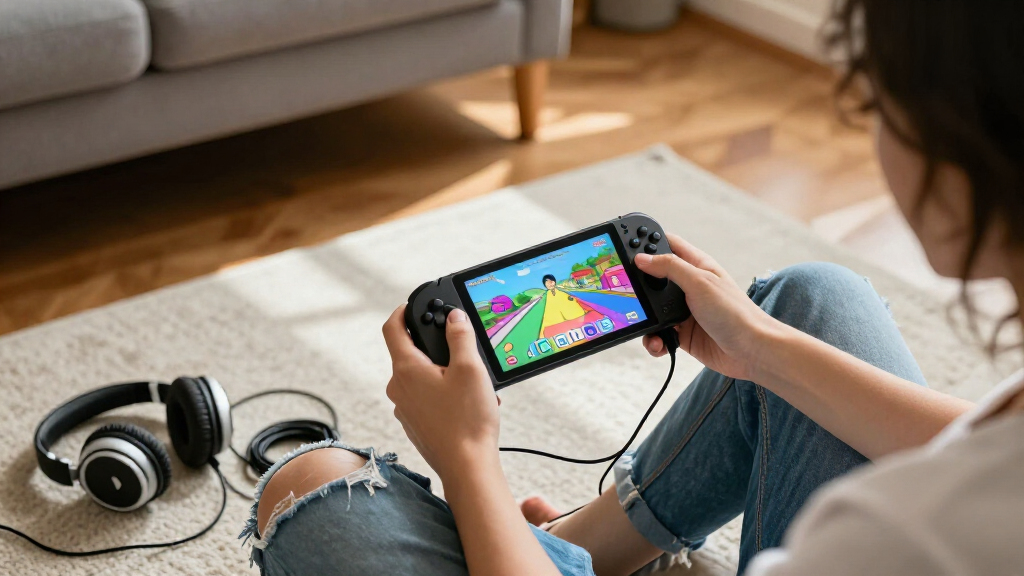
How We Picked
I compared these handhelds by asking what kind of gaming each one can realistically support and how much effort it takes to get there. My main criteria were game access and compatibility, control and screen usability, portability, storage, and the everyday friction of the operating system. I also separated devices that run games locally from Android and cloud-streaming models, since network dependence changes where and how they work well.
The order reflects versatility for the broadest group of handheld players first, then stronger fits for particular needs. Steam Deck OLED ranks ahead of niche retro and streaming devices because it offers a more complete portable gaming setup for a wide range of buyers. High-spec Windows systems earn places for their broader PC capabilities, but their greater complexity and hardware demands keep them from automatically outranking simpler options. Retro consoles are judged by their focused purpose, not by comparison with modern PC performance.
| gaming handheld | Operating system |
|---|---|
| RG43H Pro Retro Handheld Game | — |
| GPD Win 5 Handheld Gaming PC | Windows 11 |
| Retroid Pocket Flip 2 Android | Android 13 |
| ASUS ROG Xbox Ally 7-inch 1080 | Windows 11 |
| RF40H Handheld Retro Game Cons | Linux |
| RG56PRO Retro Handheld Game Co | Linux |
| MSI Claw A8 Gaming Handheld | Windows 11 Home |
| RG52MINI Retro Handheld Game C | — |
| MANGMI AIR X Android Handheld | Android 14 |
| My Arcade Atari Pocket Player | — |
| Valve Steam Deck OLED 1TB Hand | — |
| ASUS ROG Xbox Ally Gaming Hand | Windows 11 Home |
| abxylute One Pro Cloud Gaming | — |
| Lenovo Legion Go S Handheld Ga | — |
| MSI Claw Gaming Handheld | Windows 11 Home |
Factors to Consider When Choosing Best Gaming Handhelds
Before choosing a handheld, decide what you want to play and how much setup you will tolerate. Similar-looking devices can behave very differently: some run PC games, some rely on Android apps or streaming, and others come with a fixed retro library. These factors can help you avoid buying more power, screen, or flexibility than your routine needs.
Start With Your Game Library
Make a short list of the games you actually expect to play, then check how each device accesses them. A PC handheld may cover a broad range of storefronts, but the experience can vary by game, launcher, and operating-system support. A retro device is a better match when you want a compact, ready-made way to play older titles rather than a portable PC. Android handhelds can suit mobile games and supported emulation, while cloud devices depend on streaming services and a reliable connection. A common mistake is buying by processor name before confirming that your preferred games run on the platform. Prioritize compatibility over theoretical performance if you want to spend more time playing than troubleshooting.
Choose Local Play or Streaming
Local gaming means the handheld runs the game itself, so play does not rely on a strong internet connection once the title is installed. Cloud gaming can extend access to demanding games on lighter hardware, but it depends on network quality, service availability, and your access to the game. Remote play from a home console or PC adds another condition: the host device must be available and online. Think about where you play most, not only what you play; a streaming-first model may suit a couch or home network better than a commute. Buyers sometimes treat streaming support as equivalent to native compatibility, but latency and connection drops can change the experience. If offline flexibility matters, give local play priority.
Match Screen Size to How You Carry It
A larger display can make small text and detailed scenes easier to read, while a compact body is less awkward in a bag or on a crowded journey. High refresh rates can make supported games and menus feel smoother, but they do not guarantee better battery life or a sharper image. Screen technology also matters: OLED can deliver strong contrast, while an IPS panel may be a sensible fit for other priorities. Check the whole device’s dimensions and weight rather than judging comfort from screen size alone. A frequent buying error is choosing the biggest display and later finding the controls and body tiring to hold. If you play in short sessions on the move, portability may matter more than screen area.
Treat Battery Life as a Workload Question
Battery use depends heavily on the game, screen brightness, refresh rate, and performance settings, so a single headline capacity cannot predict every session. Demanding PC games tend to draw more power than lighter retro titles or streamed video. If you mostly play near an outlet, a larger performance-focused handheld may be acceptable; for travel, weight and charging access deserve more attention. Lowering brightness or limiting performance can extend a session, though it may reduce visual impact or responsiveness. Remember to account for the charger and any case you plan to carry, since accessories add bulk. Choose around your longest typical session rather than an idealized all-day trip.
Decide How Much Setup You Want
PC handhelds offer broad control over settings and game sources, but launchers, updates, compatibility fixes, and controller mappings can add chores. A more focused interface can make it easier to pick up a game without treating the device like a small desktop computer. Retro consoles and fixed-purpose players usually ask less setup, though their game selection and customization can be narrower. Android systems sit between those ends, with app flexibility but possible configuration work for emulation or streaming. Be honest about whether tinkering is part of the fun or something you want to avoid. Paying for flexibility only helps if you are willing to use it.
Buy Storage for Your Actual Habits
Modern PC games can occupy substantial storage, while retro libraries and many streaming setups place less pressure on internal space. Think about how many games you want installed at once and whether you are comfortable deleting and reinstalling titles. Expandable storage can help, but it may involve extra setup and can affect load times depending on the device and card. Also check whether the listed capacity includes room for system files, since usable space will be lower than the headline figure. A common mistake is paying attention to RAM and processor details while overlooking how quickly a small game library fills the drive. Favor ample storage if you switch among large games often; otherwise, a smaller drive may fit your routine.
Frequently Asked Questions
Should I choose a Steam Deck OLED or a Windows gaming handheld?
Choose the Steam Deck OLED if you want a more focused handheld experience and your games work well with its software environment. A Windows model makes more sense if access to Windows storefronts, launchers, or broader PC use matters more to you. That flexibility can involve more setup, updates, and game-by-game compatibility checks. Compare the specific titles you play before choosing based on hardware alone. The best fit is the one that supports your library with the least friction you are willing to accept.
Can a cloud gaming handheld replace a portable gaming PC?
It can replace one for a player who mainly streams games and has dependable internet wherever they play. It is less suitable if you need offline access, want to install PC games directly, or often play away from a strong connection. Streaming can reduce the need for powerful local hardware, but latency and service availability remain part of the experience. Check whether your subscriptions and game library work with the services you intend to use. Treat cloud play as a different way to access games, not as a guaranteed substitute for local performance.
Are retro handhelds a better first choice than a PC handheld?
They can be a better first choice if your goal is simple access to older games and you do not need current PC releases. Dedicated retro devices are generally more focused, which can mean less operating-system setup and fewer competing features. A PC handheld offers a much broader range of games, but its flexibility can bring more configuration work. Check the included game library and supported formats rather than assuming every retro device handles every system. Choose based on the games you want to revisit, not on the widest possible feature list.
Do I need an 8-inch, 120Hz screen for handheld gaming?
No. A larger, faster screen can make some games easier to see and can smooth motion when a title supports higher refresh rates. It may also make the device less compact and increase power demands, so the benefit depends on how and where you play. Smaller screens can be more convenient for travel and still work well for less demanding games. Consider text size, game type, eyesight, and carrying comfort together. Do not treat display specifications as a substitute for checking the full device’s ergonomics.
How much storage should I choose for a handheld?
The right amount depends on whether you install large PC games, keep many titles ready at once, or mainly play retro and streamed games. A larger drive reduces the need to manage installs, while a smaller drive can work if you regularly rotate games or use streaming. Confirm whether storage can be expanded and what kinds of memory cards the device supports. Remember that system software takes up part of the advertised capacity. Base the choice on your library habits rather than assuming more storage will improve performance.
Conclusion
For the broadest mix of portable PC gaming and a focused interface, I recommend the Valve Steam Deck OLED 1TB as the best overall. The best value depends on your priorities: an entry-level retro handheld is the sensible fit for older games, while a streaming-first option can suit players with reliable internet and an existing game library. For the best premium performance**, the GPD Win 5 is the pick for buyers who want ambitious PC hardware and accept a larger, more involved setup; the MSI Claw A8 is another strong choice for its large 120Hz display. Beginners who want a straightforward gaming device should start with a focused retro model, or choose the Steam Deck OLED if they want a broader library. For specific needs, pick the abxylute One Pro for cloud play, the Retroid Pocket Flip 2 for Android gaming in a folding design, and the Atari Pocket Player for a dedicated Atari collection. Match the device to your games and tolerance for setup, and the right handheld becomes much easier to identify.
Halloween Picks
halloween
As an affiliate, we earn on qualifying purchases.