
Finding a small phone that balances utility with pocketability is harder than it looks. The Light Phone II stands out as the best overall pick for those seeking true digital minimalism, stripping away distractions to focus on calls and maps. For users who still need app access in a tiny form factor, the Apple iPhone 14 (Renewed) offers a familiar ecosystem in a manageable 6.1-inch frame, while the Sudroid Mini 4G provides a rare Android experience on a 3-inch screen. The main tradeoff is clear: smaller screens limit multitasking and media consumption, but they drastically reduce screen time and improve portability. This guide breaks down which device suits your specific lifestyle, from strict minimalists to parents needing a safe first phone.

Get audio and creator gear delivered free with Prime
- Fast, free delivery on millions of items
- Prime Video, Amazon Music and more included
- Member-only deals all year
Complete the kit


Key Takeaways
- True minimalist phones like the Light Phone II sacrifice app ecosystems for focus, making them unsuitable for heavy social media users.
- Most sub-4-inch Android devices are niche products with limited software support, often targeting kids or secondary device use cases.
- The renewed Apple iPhone 14 remains the most versatile ‘compact’ option for mainstream users who refuse to compromise on app compatibility.
- Wi-Fi-only mini phones are viable for children or travel but lack the cellular independence of 4G/5G models.
- Battery life in ultra-compact devices is often the primary constraint, requiring frequent charging compared to standard-sized smartphones.
| BLKE AIR Mini Smartphone, 3-Inch, 16GB, Wi-Fi Only |  | Best for a Pocketable Wi-Fi Companion | Display: 3 inches | Operating system: Android 9.0 | RAM: 2 GB | VIEW ON AMAZON | See Our Full Breakdown |
| Mini 4G Android Smartphone, 32GB |  | Best Small Phone for Cellular Use | Display: 3.7 inches | Operating system: Android 12 | Memory: 3 GB RAM | VIEW ON AMAZON | See Our Full Breakdown |
| Light Phone II Minimalist 4G LTE Phone, Black | 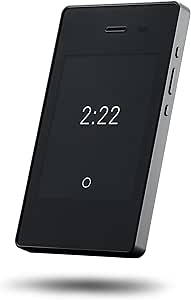 | Best for Minimalist Cellular Use | Display: E-ink, 800 × 600; 9.59 cm | Operating system: LightOS | Cellular: 4G LTE; single Nano SIM | VIEW ON AMAZON | See Our Full Breakdown |
| Mini 3-Inch Android Smartphone for Kids |  | Best for Kids Using Wi-Fi Apps | Display: 3.0 inches | Operating system: Android 8.1 | Dimensions: 3.54 × 1.97 inches | VIEW ON AMAZON | See Our Full Breakdown |
| BLKE AIR Mini Android Smartphone, 3-Inch, 16GB, Wi-Fi Only |  | Best Mini Android Pick for Expandable Storage | Display: 3 inches; 1280 × 720 resolution | Operating system: Android 9.0 | Processor: Quad-core | VIEW ON AMAZON | See Our Full Breakdown |
| Apple iPhone 14, 128GB, Midnight, Unlocked (Renewed) |  | Best for a Familiar, Full-Featured Small Phone | Display: 6.1-inch OLED, 2532 × 1170 pixels | Processor: Apple A15 Bionic | Storage: 128 GB | VIEW ON AMAZON | See Our Full Breakdown |
| 25 Ultra Unlocked Phone, 8GB + 256GB Android 14.0 Cell Phone, 7000mAh Battery, Dual SIM, 5G, Blue |  | Best for Big-Battery Android Users | Display: 6.8 inches; listed resolution 1440 × 3120 | Operating system: Android 14 | Processor: Snapdragon 8 Gen3 | VIEW ON AMAZON | See Our Full Breakdown |
| AGM Note N2 Smartphone for T-Mobile, 4.96-inch Compact 4G Cell Phone |  | Best Compact Cellular Phone | Display: 4.96 inches | Operating system: Android 16 GO Edition | Memory and storage: 3GB RAM; 32GB storage | VIEW ON AMAZON | See Our Full Breakdown |
| Mini 3.0-Inch Android Smartphone for Kids |  | Best Wi-Fi Phone for Kids | Display: 3.0 inches | Operating system: Android 8.1 | Memory and storage: 16GB RAM; 16GB internal storage | VIEW ON AMAZON | See Our Full Breakdown |
| Sudroid Mini 4G Smartphone, 3.0-Inch, Dual SIM, 3GB RAM, 32GB Storage, Black |  | Best Tiny Phone with Cellular Calling | Display: 3-inch LCD touchscreen, 480 × 854 | Operating system: Android 9.0 | Memory and storage: 3GB RAM; 32GB storage | VIEW ON AMAZON | See Our Full Breakdown |
| BLKE AIR 3-Inch Mini Android Phone, 16GB, WiFi Only, Orange |  | Best Ultra-Compact Wi-Fi Companion | Display Size: 3 inches | Operating System: Android 9.0 | Storage: 16 GB (Expandable to 128 GB) | VIEW ON AMAZON | See Our Full Breakdown |
| small phone | Display | Operating system | Cameras | Storage |
|---|---|---|---|---|
| BLKE AIR Mini Smartphone | 3 inches | Android 9.0 | 3 MP front, 5 MP rear | 16 GB; expandable by MicroSD (card not included) |
| Mini 4G Android Smartphone | 3.7 inches | Android 12 | 5 MP front, 8 MP rear | 32 GB; microSD support up to 128 GB |
| Light Phone II Minimalist 4G L | E-ink, 800 × 600; 9.59 cm | LightOS | — | — |
| Mini 3-Inch Android Smartphone | 3.0 inches | Android 8.1 | 3 MP front, 5 MP rear | 16 GB built in; expandable up to 128 GB |
| BLKE AIR Mini Android Smartpho | 3 inches; 1280 × 720 resolution | Android 9.0 | 3 MP front, 5 MP rear | 16 GB |
| Apple iPhone 14 | 6.1-inch OLED, 2532 × 1170 pixels | — | 12 MP front and rear | 128 GB |
| 25 Ultra Unlocked Phone | 6.8 inches; listed resolution 1440 × 3120 | Android 14 | 50MP main camera; triple rear system; 12MP front camera | — |
| AGM Note N2 Smartphone for T-M | 4.96 inches | Android 16 GO Edition | 5MP rear; 0.3MP front | — |
| Mini 3.0-Inch Android Smartpho | 3.0 inches | Android 8.1 | 5MP rear; 3MP front | — |
| Sudroid Mini 4G Smartphone | 3-inch LCD touchscreen, 480 × 854 | Android 9.0 | 5MP rear; 2MP front | — |
| BLKE AIR 3-Inch Mini Android P | — | Android 9.0 | — | 16 GB (Expandable to 128 GB) |
More Details on Our Top Picks
BLKE AIR Mini Smartphone, 3-Inch, 16GB, Wi-Fi Only
The 3-inch screen makes this BLKE AIR one of the smallest choices here, suited to carrying as a light app device rather than replacing a cellular phone. It runs Android 9.0 and includes GPS, face recognition, and front and rear cameras, while the MicroSD slot can add storage for media. Unlike the Mini 4G Android Smartphone, it has no SIM support, so messaging and internet access depend on Wi-Fi; it cannot serve as a conventional phone away from a hotspot. Its 1000 mAh battery and basic cameras also point to modest everyday use, not heavy app or photo workloads. I’d choose it for portability and bundled protection, but skip it if cellular service is part of the brief.
Pros:- Compact 3-inch display is easy to carry
- MicroSD expansion adds room beyond the 16 GB built-in storage
- Includes a case, screen protector, and Type-C cable
- GPS and face recognition are built in
Cons:- No SIM support means use depends on Wi-Fi
- 1000 mAh battery limits expectations for sustained use
- Not water resistant, and the MicroSD card is not included
Best for: Buyers wanting a very small Wi-Fi device for app-based messaging, GPS, or light media use, with a case and screen protector included.
Not ideal for: Anyone who needs cellular calls, mobile data, water resistance, or a phone for demanding daily app use.
- Display:3 inches
- Operating system:Android 9.0
- RAM:2 GB
- Storage:16 GB; expandable by MicroSD (card not included)
- SIM support:None; Wi-Fi only
- Cameras:3 MP front, 5 MP rear
- Battery:1000 mAh
- Included accessories:Case, screen protector, Type-C cable, ejection pin, user manual
Our verdict“Choose this BLKE AIR if you want a tiny Wi-Fi app device, not a cellular phone.”
Mini 4G Android Smartphone, 32GB
Unlike the Wi-Fi-only BLKE AIR Mini, this 3.7-inch unlocked 4G phone can take two SIMs, making it the most conventional pocket phone among these five. Its Android 12 software, 3 GB RAM, and 32 GB storage give it a more capable starting point than the Wi-Fi-only models, and storage can expand by microSD. The 0.17 lb listed weight and compact dimensions support one-handed handling, though the larger screen is less tiny than the 3-inch options. There is a material uncertainty: the listing gives two battery capacities, 2000 mAh in the description and 1000 mAh in the specifications. I’d pick it over the Light Phone II for app flexibility, but only after checking carrier-band compatibility and confirming battery details.
Pros:- Unlocked 4G and dual SIM slots support two lines
- Android 12 is newer than the software on the Wi-Fi-only mini phones
- 32 GB storage with microSD expansion up to 128 GB
- GPS, face recognition, and front and rear cameras are included
Cons:- Battery capacity conflicts between the description and specifications
- Carrier compatibility depends on supported network bands
- Not water resistant
Best for: People who want a genuinely cellular, dual-SIM handset in a small body and are prepared to confirm network compatibility.
Not ideal for: Buyers who need dependable battery specifications, water resistance, or guaranteed compatibility without checking carrier bands.
- Display:3.7 inches
- Operating system:Android 12
- Memory:3 GB RAM
- Storage:32 GB; microSD support up to 128 GB
- Network and SIM:Unlocked 4G; dual SIM
- Cameras:5 MP front, 8 MP rear
- Battery listing:2000 mAh in description; 1000 mAh in specifications
- Dimensions and weight:3.8 × 1.8 × 0.4 inches; 0.17 lb
Our verdict“Choose this model for cellular service and dual SIM flexibility in a compact handset, after verifying its battery and carrier fit.”
Light Phone II Minimalist 4G LTE Phone, Black
The Light Phone II takes a different approach to smallness: its 78 g body and e-ink screen serve a focused calling-and-texting device, not a miniature Android smartphone. LightOS offers practical tools such as directions, calendar, music, and podcasts, while Bluetooth, Wi-Fi, and hotspot support add useful flexibility. Compared with the Mini 4G Android Smartphone, it has far less storage and a narrower set of functions, but it avoids the usual app-heavy phone experience. The tradeoffs are significant: carrier support is limited to listed US providers, it is not water resistant, and it charges through Micro USB rather than USB-C. This is the better fit for someone deliberately reducing phone distractions, not for a buyer seeking broad app access.
Pros:- Very light at 78 g with a compact 3.77-inch height
- E-ink display and LightOS support a focused phone experience
- Includes useful tools such as directions, calendar, notes, and podcasts
- Supports LTE, Bluetooth, Wi-Fi, and mobile hotspot use
Cons:- Limited compatibility with select US carriers
- Minimalist software and 1 GB storage are not suited to broad app use
- Micro USB charging and no water resistance
Best for: People seeking a lightweight cellular phone for calls, texts, directions, and selected tools while avoiding a conventional app-filled smartphone.
Not ideal for: App-dependent users, buyers outside the supported US carrier list, or anyone who wants modern USB-C charging and water resistance.
- Display:E-ink, 800 × 600; 9.59 cm
- Operating system:LightOS
- Cellular:4G LTE; single Nano SIM
- Storage and RAM:1 GB storage; 1 GB RAM
- Battery:950 mAh
- Weight:78 g
- Connectivity:Bluetooth, Wi-Fi, LTE, mobile hotspot
- Charging connector:Micro USB
- Compatible carriers:LIGHT, AT&T, T-Mobile, Verizon (excluding prepaid plans and Numbershare), Ting, Mint, US Mobile
Our verdict“Pick the Light Phone II if small size matters alongside a deliberate move away from a full-featured smartphone.”
Mini 3-Inch Android Smartphone for Kids
This 3-inch model is sized for small hands and pockets, and its Wi-Fi connection supports app-based messaging and video calls. A case and screen protector come in the box, while expandable storage up to 128 GB gives families room for media beyond the built-in 16 GB. The key limit is that SIM services are not supported: unlike the Mini 4G Android Smartphone, this is not a stand-alone cellular phone, and calls depend on Wi-Fi and an app such as WhatsApp. Android 8.1 is also older than the Android 12 system on that cellular alternative. Its compact size is appealing for a child’s connected-at-home device, but the 1000 mAh battery and lack of water resistance call for modest expectations and careful handling.
Pros:- 3-inch display and compact dimensions suit small hands
- Supports app-based messaging and Wi-Fi video calls
- Expandable storage supports memory cards up to 128 GB
- Includes a case and screen protector
Cons:- No SIM services; calls depend on Wi-Fi and compatible apps
- Android 8.1 is older than Android 12 on the Mini 4G alternative
- 1000 mAh battery and no water resistance limit carefree use
Best for: Families who want a small Wi-Fi device for a child to use for app messaging and video calls where Wi-Fi is available.
Not ideal for: Parents who need cellular reachability, emergency calling independent of Wi-Fi, water resistance, or a newer Android version.
- Display:3.0 inches
- Operating system:Android 8.1
- Dimensions:3.54 × 1.97 inches
- Storage:16 GB built in; expandable up to 128 GB
- SIM support:Not supported
- Connectivity:Wi-Fi, Bluetooth
- Cameras:3 MP front, 5 MP rear
- Battery and charging:1000 mAh; USB Type-C
- Included accessories:Case and screen protector
Our verdict“Choose this mini phone for a child’s Wi-Fi-based app use, not as a dependable cellular contact device.”
BLKE AIR Mini Android Smartphone, 3-Inch, 16GB, Wi-Fi Only
This BLKE AIR is another 3-inch Wi-Fi-only Android, but its listing specifies a quad-core processor, a 1280 × 720 display, and microSD support up to 128 GB. Those details make it the more clearly specified option for buyers who want a tiny device for apps, GPS, and video calls, while the BLKE AIR model B0GQ8ZWPFL lists 2 GB RAM and does not give the same processor or resolution details. The data here has its own ambiguity: it lists 16 GB for both RAM and storage, so I would not treat the RAM figure as confirmed. It also has no SIM support, a 1000 mAh battery, and no water resistance. Its bundled protection and 24-month warranty add practical reassurance, but it remains a Wi-Fi companion, not a cellular substitute.
Pros:- Compact 3-inch form with a listed 1280 × 720 resolution
- MicroSD slot supports cards up to 128 GB
- Quad-core processor and GPS are listed
- Includes a case, screen protector, USB-C cable, and 24-month warranty
Cons:- Wi-Fi only, with no SIM support
- Listing gives 16 GB for both RAM and storage, leaving RAM unclear
- 1000 mAh battery and no water resistance
Best for: Buyers seeking a tiny Android device for Wi-Fi apps, video calls, and expandable media storage, who do not need cellular service.
Not ideal for: Anyone requiring SIM-based calls or data, reliable verified memory specifications, strong battery endurance, or water resistance.
- Display:3 inches; 1280 × 720 resolution
- Operating system:Android 9.0
- Processor:Quad-core
- Memory listing:16 GB RAM listed; specification is unclear
- Storage:16 GB
- Expandable storage:MicroSD up to 128 GB
- Connectivity:Wi-Fi only; no SIM support
- Cameras:3 MP front, 5 MP rear
- Battery and warranty:1000 mAh; 24 months
Our verdict“Choose this BLKE AIR for a small Wi-Fi Android device with listed high-resolution display and storage expansion, but not for cellular use.”
Apple iPhone 14, 128GB, Midnight, Unlocked (Renewed)
The iPhone 14 is the most balanced choice here for someone who wants a relatively compact phone without giving up a modern iOS experience. Its 6.1-inch OLED screen is larger than the 4.96-inch AGM Note N2, but the iPhone is slimmer and weighs less, making it a more practical everyday carry than the 6.8-inch 25 Ultra. The sharp display, 5G, and 12MP cameras suit everyday communication, media, and photography better than the tiny, basic-screen alternatives in this roundup.
The tradeoff is that this is a renewed device, with battery capacity guaranteed at 80% or more rather than like-new capacity. It also has no water resistance listed, uses Lightning, and lacks a SIM card and headphones in the box. I’d choose it for a capable small phone, not for the smallest screen or the most predictable battery life.
Pros:- 6.1-inch OLED display offers a sharp, vivid screen in a more manageable body than the 25 Ultra
- A15 Bionic processor and 5G support suit everyday apps and connectivity
- Unlocked for GSM and CDMA networks, subject to carrier compatibility
- Battery is tested and guaranteed to retain at least 80% of original capacity
Cons:- Renewed battery may have less capacity than a new phone
- No water resistance is listed
- No SIM card or headphones included, and charging uses Lightning
Best for: iOS users who want a capable 5G phone that is easier to carry than large-screen Android models
Not ideal for: Buyers who need a truly tiny handset, a new-device battery condition, or stated water resistance
- Display:6.1-inch OLED, 2532 × 1170 pixels
- Processor:Apple A15 Bionic
- Storage:128 GB
- Cellular:5G and 4G LTE; unlocked GSM and CDMA compatibility
- SIM:eSIM
- Cameras:12 MP front and rear
- Weight:172 g
- Battery condition:At least 80% of original capacity
- Connector:Lightning
Our verdict“Choose the renewed iPhone 14 if you want a well-rounded iOS phone in a comparatively manageable size and can accept its renewed condition.”
25 Ultra Unlocked Phone, 8GB + 256GB Android 14.0 Cell Phone, 7000mAh Battery, Dual SIM, 5G, Blue
The 25 Ultra earns a place for buyers who care more about battery capacity and a large viewing area than pocket-friendly dimensions. Its 6.8-inch display and 7000mAh battery are a sharp contrast with the 3-inch Sudroid Mini: this is better suited to extended video, navigation, and heavier daily use, but it is not really a small phone in the everyday sense. The listed Snapdragon 8 Gen3 processor, 8GB RAM, and 256GB storage also give it a stronger spec profile than the basic AGM Note N2.
That capability comes with a wide, large body measuring 3 inches across, so one-handed use and compact-pocket carry may be uncomfortable. It is not water resistant, and the listing’s “HD” description alongside a 1440 × 3120 resolution is inconsistent. I’d shortlist it only if “small phone” means a phone smaller than a tablet, not a genuinely compact handset.
Pros:- 7000mAh battery capacity is substantially larger than the batteries listed for the compact models
- 256GB storage provides more room than the 128GB iPhone 14
- Dual SIM and 5G support
- Includes a 3.5 mm headphone jack
Cons:- At 6.8 inches and 3 inches wide, it is the least pocket-friendly choice in this batch
- Not water resistant
- Display description is unclear, listing both HD wording and a 1440 × 3120 resolution
Best for: Android buyers who prioritize a large battery, generous storage, and a big screen over one-handed handling
Not ideal for: People seeking a pocketable small phone or comfortable one-handed use
- Display:6.8 inches; listed resolution 1440 × 3120
- Operating system:Android 14
- Processor:Snapdragon 8 Gen3
- Memory and storage:8GB RAM; 256GB storage
- Battery:7000mAh
- Cellular:5G; dual SIM
- Cameras:50MP main camera; triple rear system; 12MP front camera
- Dimensions:6.79 × 3 × 0.29 inches
- Weight:6.4 ounces
Our verdict“Pick the 25 Ultra only if battery capacity and screen size matter more to you than a genuinely small, easy-to-hold phone.”
AGM Note N2 Smartphone for T-Mobile, 4.96-inch Compact 4G Cell Phone
For shoppers who mean small in the hand, the AGM Note N2 is the clearest fit: its 4.96-inch screen is smaller than the iPhone 14’s 6.1-inch display while still leaving more room for calls, texts, and browsing than the 3-inch Sudroid Mini. Its removable 3000mAh battery is a practical distinction from the sealed-battery phones here, and expandable storage helps offset its modest 32GB internal capacity.
This is a basic-use phone, not a compact performance pick. With 3GB RAM, a 1.6GHz processor, and 5MP rear and 0.3MP front cameras, it is better matched to communication than demanding apps, gaming, or clear video calls. Carrier support is a major limitation: the listing specifies T-Mobile and excludes MVNOs and other carriers. I’d skip it if you need broad network choice or a dependable camera.
Pros:- 4.96-inch display is more compact than the iPhone 14 while remaining larger than 3-inch mini phones
- Removable 3000mAh battery can be replaced
- Storage expands by up to 256GB
- Dual Nano SIM support
Cons:- Limited to T-Mobile according to the listing, with MVNOs and other carriers unsupported
- 3GB RAM and a 1.6GHz processor are suited to basic tasks rather than demanding use
- 5MP rear and 0.3MP front cameras are very limited
Best for: T-Mobile customers who want a small-screen phone for calls, texts, light browsing, and a replaceable battery
Not ideal for: People on other carriers or MVNOs, and buyers who need strong cameras or smooth heavy multitasking
- Display:4.96 inches
- Operating system:Android 16 GO Edition
- Memory and storage:3GB RAM; 32GB storage
- Processor:1.6GHz
- Battery:Removable 3000mAh
- Expandable storage:Up to 256GB
- Network:4G; designed for T-Mobile
- Cameras:5MP rear; 0.3MP front
- SIM:Dual Nano SIM
Our verdict“Choose the AGM Note N2 if you are on T-Mobile and want a genuinely compact phone for simple daily communication.”
Mini 3.0-Inch Android Smartphone for Kids
This 3-inch Android mini phone is better understood as a Wi-Fi-connected device for app messaging and video calls than as a cellular phone. At 67g, it is far lighter than the 194g AGM Note N2, making it easier for a child to carry. Unlike the Sudroid Mini, however, it does not support SIM services, so calls and messages depend on Wi-Fi apps rather than a mobile network. That can suit a household looking for a small connected device, but it limits use away from Wi-Fi.
Its tiny screen and Android 8.1 make it a poor choice for regular browsing or demanding apps. The 3MP front and 5MP rear cameras are basic, and there is no water resistance or headphone jack. A case and screen protector are included, but they do not change the phone’s central compromise: exceptional portability in exchange for limited standalone usefulness.
Pros:- 67g weight makes it much lighter than the AGM Note N2
- Wi-Fi, Bluetooth, and built-in GPS support basic connected use
- Expandable storage supports memory cards up to 128GB
- Includes a phone case and screen protector
Cons:- No SIM services; calls and messages require Wi-Fi apps
- 3-inch screen and Android 8.1 limit everyday browsing and app flexibility
- Not water resistant and has no headphone jack
Best for: Parents seeking a lightweight Wi-Fi device for a child’s app-based messaging, video calls, and basic location features
Not ideal for: Buyers who need cellular calling, mobile data, a larger screen, or a phone for use away from Wi-Fi
- Display:3.0 inches
- Operating system:Android 8.1
- Memory and storage:16GB RAM; 16GB internal storage
- Expandable storage:Up to 128GB
- Connectivity:Wi-Fi and Bluetooth; no SIM service
- Cameras:5MP rear; 3MP front
- Weight:67g
- Connector:USB Type-C
- Included accessories:Phone case and screen protector
Our verdict“Choose this mini phone for a child who needs a tiny Wi-Fi app device, not a standalone cellular handset.”
Sudroid Mini 4G Smartphone, 3.0-Inch, Dual SIM, 3GB RAM, 32GB Storage, Black
The Sudroid Mini is the more functional choice for someone committed to a 3-inch phone: unlike the Wi-Fi-only kids’ mini phone, it supports dual Nano SIM and 4G LTE for calls and messaging. Its 3GB RAM, 32GB storage, Android 9.0, and access to many Google Play apps give it a broader role than a simple Wi-Fi companion, while expandable storage can add room for files. The compact 94 × 47.4 × 12.5 mm dimensions make it much easier to carry than either the iPhone 14 or the 6.8-inch 25 Ultra.
That extreme compactness has consequences. A 480 × 854 screen leaves little room for reading, typing, maps, or video, and compatibility depends on the carrier’s supported bands. The listing provides no water resistance or headphone jack, and its 2600mAh battery is modest beside the AGM Note N2’s removable 3000mAh cell. I’d choose it for basic cellular tasks, not as a comfortable primary screen for media or extended browsing.
Pros:- 4G LTE and dual Nano SIM support make it usable for cellular calls and messaging
- Compact 94 × 47.4 × 12.5 mm body is smaller than the AGM Note N2
- 3GB RAM and Google Play app support offer more flexibility than the Wi-Fi-only kids’ mini phone
- Expandable storage up to 128GB
Cons:- 3-inch, 480 × 854 screen is cramped for maps, typing, and media
- Carrier compatibility depends on supported network bands
- No water resistance or headphone jack
Best for: Buyers who need a very small handset with cellular calls, dual-SIM support, and basic Android apps
Not ideal for: People who spend significant time reading, typing, watching video, or need confirmed compatibility with a specific carrier
- Display:3-inch LCD touchscreen, 480 × 854
- Operating system:Android 9.0
- Memory and storage:3GB RAM; 32GB storage
- Expandable storage:Up to 128GB
- Dimensions:94 × 47.4 × 12.5 mm
- Cellular and SIM:4G LTE; dual Nano SIM
- Battery:2600mAh
- Cameras:5MP rear; 2MP front
- Connectivity:Bluetooth, USB, and Wi-Fi
Our verdict“Pick the Sudroid Mini if cellular service in a truly tiny Android phone matters more than screen comfort and broad carrier certainty.”
BLKE AIR 3-Inch Mini Android Phone, 16GB, WiFi Only, Orange
This 3-inch Android device prioritizes extreme portability over cellular independence, making it a niche choice for those who strictly rely on Wi-Fi connectivity. Unlike the Sudroid Mini 4G Smartphone, which offers dual SIM slots for true cellular freedom, this BLKE AIR model creates a significant barrier for users needing on-the-go data. The Android 9.0 operating system is dated, potentially limiting app compatibility compared to newer devices in this roundup. However, its expandable storage up to 128 GB allows for media caching when connected to networks. The inclusion of face recognition and a 5 MP rear camera adds utility beyond a basic communicator, though the lack of water resistance is a notable weakness for active users. It serves best as a secondary device for specific, location-bound tasks.
Pros:- Extremely compact 3-inch form factor fits easily in small pockets or bags
- Expandable storage up to 128 GB via MicroSD card enhances media flexibility
- Includes essential accessories like a case, screen protector, and USB-C cable
- Face recognition offers a convenient security layer for such a small device
Cons:- Conflicting documentation regarding SIM card support creates uncertainty for buyers
- Not water resistant, limiting use in rainy conditions or near water
- Outdated Android version may restrict access to modern app updates and features
Best for: Travelers or students who need a lightweight, secondary device for Wi-Fi-based communication and media consumption in controlled environments
Not ideal for: Users requiring reliable cellular connectivity on the move, as the conflicting SIM specifications and ‘WiFi Only’ description make cellular use risky or impossible
- Display Size:3 inches
- Operating System:Android 9.0
- Storage:16 GB (Expandable to 128 GB)
- Connectivity:Wi-Fi (Cellular support disputed)
- Rear Camera:5 MP
- Front Camera:3 MP
- Security:Face Recognition
- Water Resistance:None
Our verdict“Choose this ultra-compact phone only if you have a reliable Wi-Fi source and need a pocketable secondary device for basic Android tasks.”

How We Picked
I evaluated these devices based on physical dimensions, software usability, and connectivity options. A small phone is defined here by its ability to fit comfortably in a front pocket or small bag, so I prioritized devices with screens under 5 inches or those designed specifically for minimalism. I also assessed whether the hardware limitations (such as smaller batteries or older processors) were offset by the lifestyle benefits of reduced screen real estate.
Ranking was determined by how well each device serves its intended niche. The Light Phone II leads for pure minimalism because it delivers on its promise of distraction-free communication better than any general-purpose compact smartphone. The iPhone 14 ranks high for mainstream users because it offers the best app ecosystem in a relatively manageable size, whereas niche Android minis like the BLKE AIR are ranked lower due to limited software support and lack of cellular connectivity in many variants.
| small phone | Operating system | Connectivity |
|---|---|---|
| BLKE AIR Mini Smartphone | Android 9.0 | — |
| Mini 4G Android Smartphone | Android 12 | — |
| Light Phone II Minimalist 4G L | LightOS | Bluetooth, Wi-Fi, LTE, mobile hotspot |
| Mini 3-Inch Android Smartphone | Android 8.1 | Wi-Fi, Bluetooth |
| BLKE AIR Mini Android Smartpho | Android 9.0 | Wi-Fi only; no SIM support |
| Apple iPhone 14 | — | — |
| 25 Ultra Unlocked Phone | Android 14 | — |
| AGM Note N2 Smartphone for T-M | Android 16 GO Edition | — |
| Mini 3.0-Inch Android Smartpho | Android 8.1 | Wi-Fi and Bluetooth; no SIM service |
| Sudroid Mini 4G Smartphone | Android 9.0 | Bluetooth, USB, and Wi-Fi |
| BLKE AIR 3-Inch Mini Android P | Android 9.0 | Wi-Fi (Cellular support disputed) |
Factors to Consider When Choosing Small Phone
Choosing a small phone requires deciding what you are willing to give up. Are you trading screen real estate for mental clarity, or just wanting a device that fits in a tiny purse? Here are the critical factors to weigh before buying.Screen Size vs. Usability Tradeoffs
The definition of a ‘small’ phone has shifted; anything under 6 inches is now considered compact, but true mini phones often feature 3 to 4-inch screens. Smaller screens make typing difficult and can turn reading emails or documents into a frustrating experience. If you plan to use your phone for anything beyond calls and texts, a 3-inch screen may feel limiting. I recommend opting for a 4 to 5-inch device if you still need to browse the web occasionally, reserving sub-4-inch models for strict minimalist or secondary device use.Operating System and App Ecosystem
Most ultra-compact Android devices run stripped-down versions of Android or custom launchers that may not support modern apps correctly. App compatibility is a major hurdle for devices like the BLKE AIR or Sudroid Mini, where banking or social media apps might not render properly. In contrast, the Light Phone II uses a proprietary OS that intentionally excludes most apps, which is a feature, not a bug. The iPhone remains the safest bet for app reliability, even if it isn’t as small as the dedicated mini Androids.Cellular Connectivity and SIM Support
Many mini phones are Wi-Fi only or support only basic 4G LTE, lacking the 5G capabilities found in flagship devices. If you need a primary phone, verify that the device supports your carrier’s network bands. Devices like the AGM Note N2 and Light Phone II offer solid cellular connectivity, making them viable daily drivers. However, Wi-Fi-only models are best suited for children or as travel devices where you can rely on hotspotting from another phone.Battery Life and Charging Habits
Physics dictates that smaller phones have smaller batteries. While some niche Android minis claim large battery capacities, real-world usage often reveals shorter standby times due to inefficient processors. Minimalist phones like the Light Phone II excel here because they power down the screen and background processes aggressively. If you choose a compact Android, expect to charge daily. If you choose an iPhone, the efficiency of the A-series chips helps mitigate the smaller physical battery size.Target Audience: Kids vs. Adults
Several products in this list, such as the Mini Android Smartphones for Kids, are designed with parental controls and durability in mind rather than performance. These devices often lack high-resolution cameras or fast processors because they are not intended for adult media consumption. Adults seeking a secondary device should look for build quality and connectivity, whereas parents should prioritize safety features and ruggedness. Do not buy a kids’ mini phone expecting it to function as a capable adult smartphone.Long-Term Software Support
Niche hardware manufacturers often provide limited software updates compared to major brands like Apple or Samsung. A cheap mini phone might stop receiving security patches after six months, leaving you vulnerable to exploits. The iPhone 14 offers years of support, making it a safer long-term investment. For minimalist phones, support is often less about OS updates and more about service availability, so check the manufacturer’s track record before committing.Frequently Asked Questions
Can I use a 3-inch mini phone as my only daily driver?
For most people, no. A 3-inch screen is difficult to navigate for tasks like checking maps, reading long emails, or using banking apps. These devices are best suited as secondary phones or for individuals with a strict minimalist philosophy who rarely interact with complex interfaces. If you rely on your phone for work or frequent communication, you will likely find the small interface frustrating and inefficient.Is the Light Phone II worth the premium price compared to cheap Android minis?
The Light Phone II is worth it only if you are committed to digital minimalism. It offers a refined, distraction-free experience with reliable call quality and essential tools like maps and music. Cheap Android minis often suffer from buggy software, poor cameras, and limited app support. If you want a functional smartphone that happens to be small, a renewed iPhone or a compact Android like the AGM Note N2 offers better value and versatility.Do small phones support 5G networks?
Most ultra-compact Android devices do not support 5G, sticking to 4G LTE to keep costs and heat management down. The Light Phone II and AGM Note N2 generally support 4G LTE, which is sufficient for calls and basic data. The iPhone 14 supports 5G, but the benefits are minimal for users who are trying to reduce their phone usage. Check the specific model’s network bands if 5G is a requirement for your carrier.Are Wi-Fi only mini phones safe for children?
They can be, but they require careful management. Without cellular data, children cannot communicate when away from Wi-Fi, which can be a safety risk in emergencies. However, Wi-Fi-only devices prevent unexpected data charges and limit internet access to home or school networks. Look for models with robust parental controls if you choose this route, ensuring that the device cannot be easily unlocked to access unrestricted browsers.How does camera quality compare on small phones versus full-size models?
Camera quality is significantly compromised in small phones due to limited space for lens elements and image sensors. The Light Phone II has no camera or a very basic one, while mini Androids often feature low-resolution sensors that struggle in low light. The renewed iPhone 14 offers the best camera experience in this group, but even it is outperformed by larger flagships. If photography is a priority, a small phone is likely the wrong choice.Conclusion
Choosing the right small phone depends entirely on your definition of ‘small.’ For the best overall minimalist experience, the Light Phone II is unmatched, offering a clean, distraction-free interface that actually helps you disconnect. If you need a versatile daily driver that is still relatively compact, the renewed Apple iPhone 14 provides the best balance of size, power, and app compatibility. For budget-conscious buyers or parents looking for a simple device, the AGM Note N2 offers solid connectivity and durability in a manageable 4.96-inch frame. Avoid the 3-inch Android minis unless you are certain you will not need to use complex apps; they are better suited as niche gadgets or kids’ phones rather than primary communication tools.