
Indoor air quality measurements can be confusing because the sensors often vary in accuracy and can be affected by environmental factors like humidity, temperature, or placement. Many devices only detect certain pollutants, making it hard to get a full picture. Plus, if you’re unsure what the numbers truly mean or how to respond, it adds to your frustration. Keep exploring to discover ways to better understand what these numbers really tell you.
Key Takeaways
- Variability in sensor technology and sensitivity leads to inconsistent and sometimes conflicting indoor air quality readings.
- External environmental factors like weather, humidity, and placement affect sensor accuracy and reliability.
- Limited pollutant detection and lack of standardized measurement units make interpretation complex.
- Many sensors provide only partial data, often missing key pollutants, causing incomplete assessments.
- Homeowners often lack understanding of what readings mean, leading to confusion and uncertainty about actions.
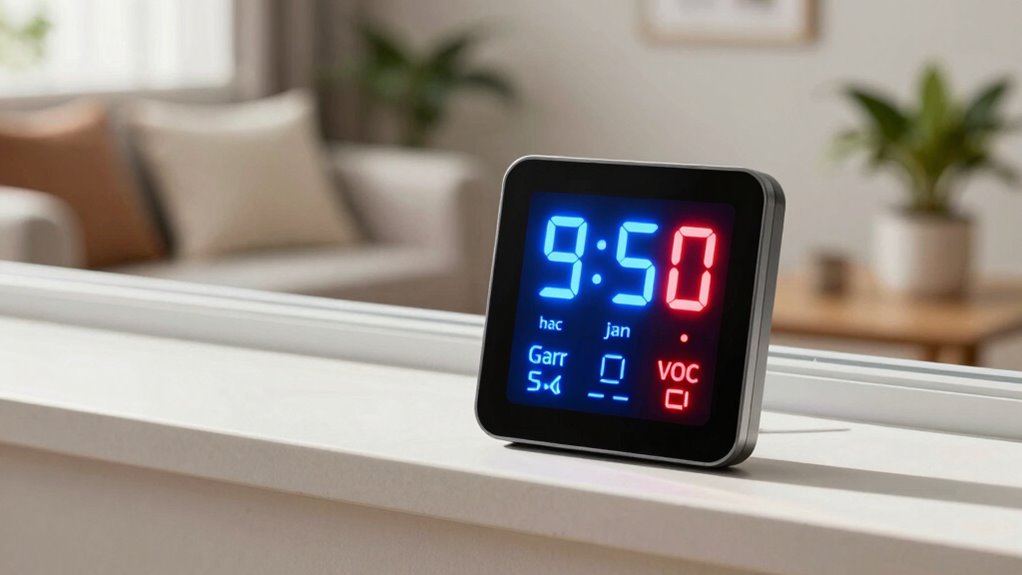
Have you ever wondered how clean the air inside your home truly is? It’s a question many homeowners ask, especially when they see conflicting information from various air quality readings. With the rise of air quality sensors, it’s easier than ever to monitor pollutant levels indoors. But these devices often leave us more confused than reassured. While they can provide valuable data, understanding what those numbers really mean isn’t always straightforward.
Air quality sensors measure pollutant levels by detecting specific particles or gases in the air. However, these sensors can vary widely in accuracy and interpretation. Some sensors might pick up on dust, pet dander, or volatile organic compounds (VOCs), yet others might miss certain pollutants altogether. When you see high readings, it’s tempting to panic or assume your home is dangerously contaminated. But sometimes, those readings are influenced by calibration issues, sensor placement, or even external factors like weather changes. It’s not unusual to get a reading that seems alarming, only to find out later it was a false positive or a temporary spike.
Air quality sensors vary in accuracy; high readings can be false positives caused by calibration, placement, or weather factors.
This inconsistency is where the confusion begins. You might see a report indicating your pollutant levels are high, and then another device or app suggests everything’s fine. The disparity often comes down to differences in sensor technology, sensitivity, and the specific pollutants they target. Because most consumer-grade air quality sensors don’t measure every pollutant, they provide only a partial picture. As a result, you’re left trying to piece together limited data, which can make you doubt the readings altogether. Recognizing the limitations of sensor technology can help set realistic expectations and reduce unnecessary worry. Additionally, understanding the accuracy and precision of different sensors can further clarify how much trust to place in their readings. Being aware of potential external environmental influences can also help you interpret fluctuations more accurately.
Another layer of confusion stems from the fact that many homeowners lack a clear understanding of what the readings mean in context. For example, a certain level of VOCs might be acceptable in one household but considered problematic in another, depending on factors like health sensitivities or local standards. Without proper guidance, interpreting these numbers becomes a guessing game. You might wonder if opening a window will help or if you need to invest in an air purifier, without knowing precisely what pollutants you’re dealing with. Additionally, understanding the different measurement units used in air quality readings can further complicate interpretation.
Furthermore, the rise of air quality sensors has made it more challenging to interpret data accurately, especially when consumers are unfamiliar with the nuances of sensor technology and pollutant standards. Some sensors might also be influenced by external environmental factors, such as humidity or temperature, which can skew readings and add to the confusion. Ultimately, indoor air quality readings can be useful tools, but they’re just one piece of a larger puzzle. They don’t always provide definitive answers, and understanding their limitations is key. Instead of reacting to every fluctuation, it’s better to contemplate them as part of a broader effort to improve your indoor environment. Recognize that pollutant levels fluctuate naturally, and a single reading isn’t the whole story. Educate yourself about what the numbers mean and how to interpret them wisely, so you can make informed decisions about your home’s air quality.

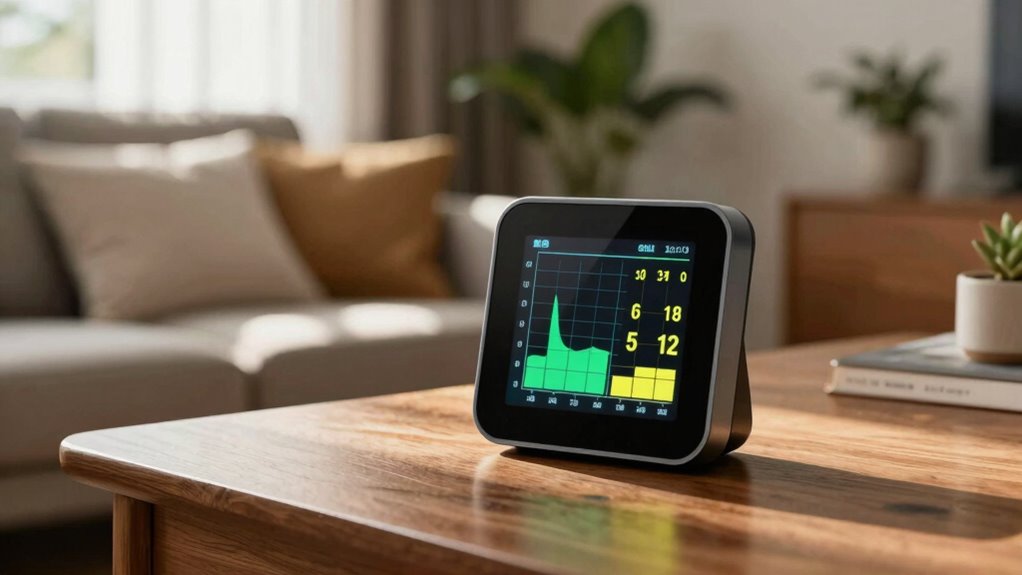
16-in-1 Indoor Air Quality Monitor, High-Precision Multi-Parameter Smart Air Quality Tester with HD Real-Time Color Screen, Portable Air Quality Monitor for Home, Office, Cars, Bedroom
- 16-in-1 Air Quality Monitoring: Tests multiple pollutants and conditions
- Single-Tap Operation: Easy control with one button
- Adjustable Audio Prompts: Mute or enable sound alerts
As an affiliate, we earn on qualifying purchases.
As an affiliate, we earn on qualifying purchases.
Frequently Asked Questions
How Often Should Indoor Air Quality Be Tested?
You should test indoor air quality at least once every three to six months to guarantee your air purifier’s effectiveness and ventilation strategies are working well. Regular testing helps you identify pollutants or allergens that may not be obvious. If you notice odors, allergies, or respiratory issues, test more frequently. Consistent testing ensures your home’s air remains safe, allowing you to adjust your air purifier and ventilation systems as needed.
What Do Different Air Quality Readings Indicate?
Think of air quality readings like a weather forecast for your home. High levels of pollutants suggest you need better ventilation or an air purifier, while low levels mean your system is working well. Different readings indicate specific issues: elevated CO2 signals poor ventilation, while high particulate counts show the need for improved filtration. Use these insights to make targeted ventilation improvements and assess your air purifier’s effectiveness, ensuring a healthier indoor environment.
Can Readings Vary Between Different Sensors?
Yes, readings can vary between different sensors. Sensor calibration plays a big role in data accuracy, so if sensors aren’t properly calibrated, their readings may differ even in the same environment. Factors like sensor quality, age, and maintenance also impact data accuracy. That’s why it’s essential to use well-calibrated, high-quality sensors and regularly check them to guarantee consistent, reliable indoor air quality readings.
Are High Readings Always Harmful?
Did you know that indoor air quality sensors can sometimes show high readings that aren’t necessarily harmful? High readings aren’t always harmful; they can result from temporary pollutant sources like cooking or cleaning. However, sensor calibration issues might cause misleadingly elevated numbers. It’s important to take into account the context of the readings and identify pollutant sources, rather than jumping to conclusions, to ensure your home’s air quality stays safe and healthy.
How Can I Improve My Indoor Air Quality?
To improve your indoor air quality, start with effective air purification systems like HEPA filters to trap pollutants. Incorporate proper ventilation strategies, such as opening windows or using exhaust fans, to reduce indoor toxins and humidity. Regularly clean and maintain HVAC systems, avoid smoking indoors, and minimize sources of pollutants like candles or harsh cleaning products. These steps help create a healthier, fresher indoor environment for you and your family.
Conclusion
Understanding indoor air quality can seem confusing, but don’t get discouraged. By deciphering data, you’ll better breathe and beat the buildup of harmful particles. Remember, research and regular checks reveal real results, relieving your restless worry. Stay savvy, stay vigilant, and take control of your home’s air. Clearer clarity and cleaner conditions come from conscious choices. With consistent care, you can confidently create a healthier, happier home environment—because your well-being is worth the effort.