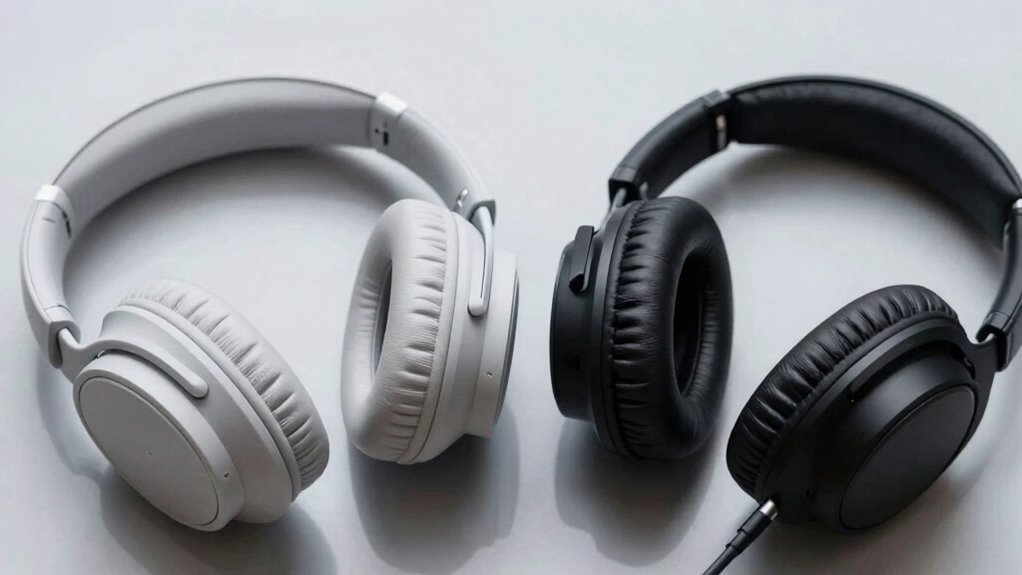

Tracking headphones are designed for recording, so they focus on noise isolation and a neutral sound to catch details without outside interference. They’re often closed-back and built for comfort during long use. Mixing headphones, on the other hand, aim for accurate, flat sound to help you shape your music, often with open-back designs for a natural soundstage. Choosing the right pair depends on your stage in the production process—keep exploring to learn more!
Key Takeaways
- Tracking headphones prioritize noise isolation, neutral sound for accurate recording, and comfort for long sessions, while mixing headphones focus on flat, natural sound for precise adjustments.
- Tracking headphones often have closed-back designs to prevent sound bleed, whereas mixing headphones typically use open-back designs for a spacious soundstage.
- The sound profile of tracking headphones emphasizes accurate transient response, while mixing headphones aim for a wide, flat frequency response for true sound reproduction.
- Tracking headphones are built for durability and minimizing external noise, whereas mixing headphones prioritize comfort and accurate spatial perception during extended use.
- Proper selection depends on use: tracking headphones for recording clarity and noise isolation, mixing headphones for accurate sound balancing.
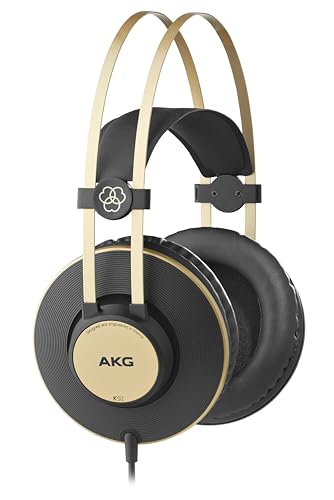
AKG Pro Audio K92 Over-Ear, Closed-Back, Critical Listening and Studio Headphones, Matte Black and Gold
Precisely Balanced Response Provides Reference-Monitor Accuracy
As an affiliate, we earn on qualifying purchases.
As an affiliate, we earn on qualifying purchases.
What Are Tracking Headphones and When Should You Use Them?
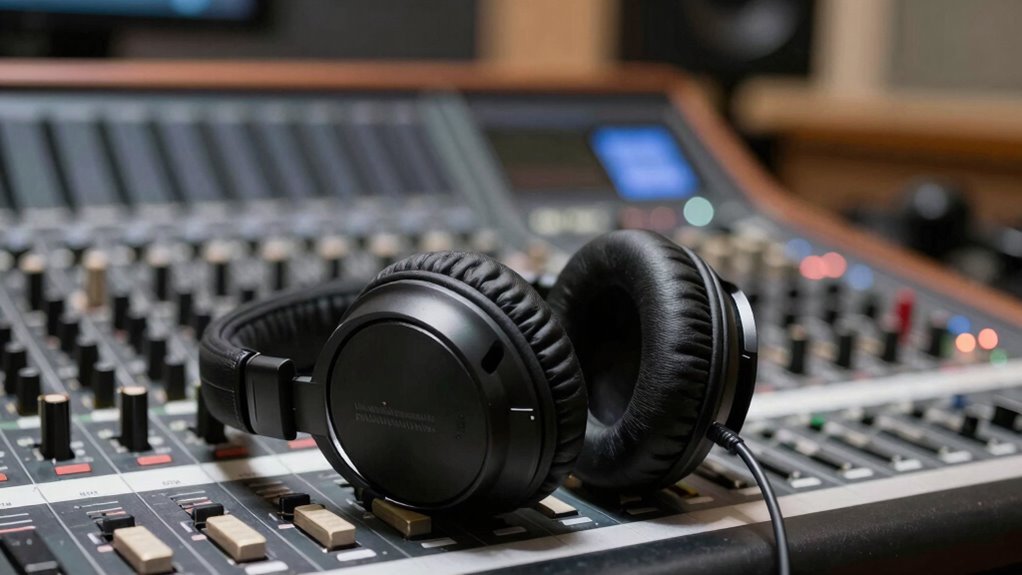
Are tracking headphones really necessary during recording sessions? Absolutely. When tracking, you need headphones that offer excellent noise isolation to keep outside sounds from bleeding into your recordings. Good headphone comfort is also essential since you’ll wear them for extended periods, preventing fatigue. Tracking headphones are designed to deliver a clear, accurate sound, so you can hear every detail of the music or vocals you’re recording. They help you focus on the performance without distractions. If your headphones aren’t comfortable or lack proper noise isolation, your recordings can suffer from bleed or misjudged sound. Choosing the right tracking headphones means balancing comfort and effective noise isolation, ensuring you stay focused and produce high-quality recordings every time. Additionally, understanding regional flavors and pairings can help you select headphones suited to different recording environments and styles. Moreover, selecting headphones with the proper frequency response is crucial to accurately reproduce the sound without coloration. Ensuring your headphones have adequate sound quality can significantly impact the accuracy of your recordings and mixes. Considering the contrast ratio of your headphones can also influence how well you perceive details in dark or complex soundscapes, further aiding precision during tracking. It’s also important to keep in mind the trend towards smarter devices in the vaping market, which reflects a shift towards more innovative and customizable technology, much like the advanced features sought in professional audio gear.

OLLOAUDIO X1 Producing and Mixing Studio Headphones | Individually Calibrated | Flat Frequency Response
Studio reference class, open back, dynamic headphones with flat frequency response tuned for mixing and producing. X1 studio…
As an affiliate, we earn on qualifying purchases.
As an affiliate, we earn on qualifying purchases.
What Are Mixing Headphones, and Why Are They Important?

Mixing headphones play a crucial role in shaping the final sound of your music, allowing you to make precise adjustments to levels, EQ, and effects. They provide a flat, accurate sound profile essential for detailed mixing. Good headphone ergonomics ensures comfort during long sessions, helping you stay focused. When choosing between passive vs active headphones, consider that passive models rely solely on your audio interface’s power, while active headphones have built-in amplification for convenience and often better sound clarity. Here are three key points: 1. Accurate sound reproduction ensures your mix translates well across systems. 2. Comfort and ergonomics prevent fatigue during extended sessions. 3. Understanding passive vs active helps you select the right headphone for your workflow and setup. Additionally, digital concepts and content formats are important to consider when exploring new tools for your audio projects. Being aware of how AI tools can assist in audio editing and mastering can also streamline your production process and achieve professional results.

Rumoon DJ Headphones Over Ear Headphones Studio Monitor & Mixing DJ Stereo Headsets with 50mm Neodymium Drivers and 1/4 to 3.5mm Jack for AMP Computer Recording Podcast Keyboard Guitar Laptop (Black)
High-Resolution Sound Quality: The wired headphones boast large 50mm unit drivers that produce dynamic bass, balanced mids, and…
As an affiliate, we earn on qualifying purchases.
As an affiliate, we earn on qualifying purchases.
How Do Tracking and Mixing Headphones Differ in Sound Profile?
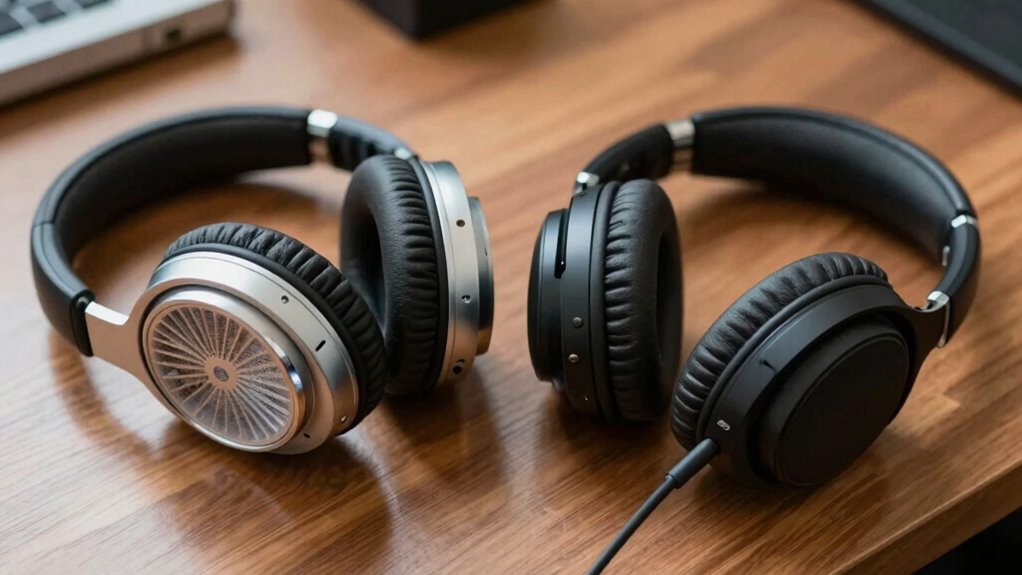
Tracking and mixing headphones are designed with different priorities, which considerably influences their sound profiles. Tracking headphones typically emphasize a neutral sound signature, allowing you to hear every detail accurately, so you can identify pitch issues or timing errors. Their tonal balance tends to be flat, ensuring that no frequencies are overly boosted or recessed. In contrast, mixing headphones often have a slightly exaggerated bass or treble response to help you detect how different elements will translate across various listening environments. This altered sound signature can make mixing decisions easier but might not represent the true tonal balance of your recordings. Overall, tracking headphones aim for precision, while mixing headphones focus on a balanced, yet slightly colored, sound profile to aid creative decisions.
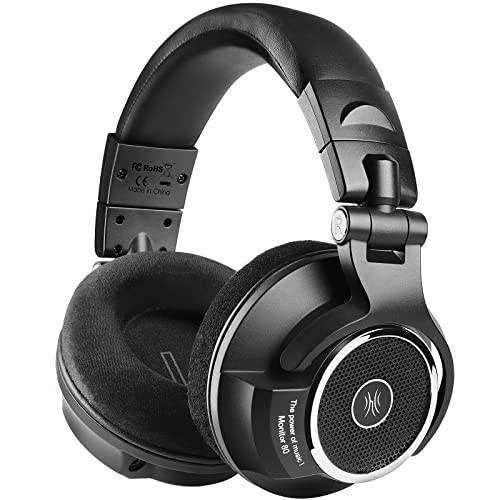
OneOdio Monitor 80 Open Back Headphones- Studio Headphones for Mixing Mastering Editing, Wired Over Ear Headphones for Professional Studio Applications, 250 Ohm, Velour Earmuffs, Sound Isolation
Open-back studio headphones: Hi-Res audio certified, Monitor 80 is a reliable companion for mastering, mixing, or tracking.
As an affiliate, we earn on qualifying purchases.
As an affiliate, we earn on qualifying purchases.
Sound Accuracy: Tracking vs. Mixing Headphones Explained
When it comes to sound accuracy, tracking and mixing headphones serve different purposes. Tracking headphones prioritize real-time precision, so you hear every detail accurately during recording. Mixing headphones, on the other hand, aim for a balanced frequency response to guarantee your mix sounds good across various systems. Additionally, understanding the privacy policy and cookie categories can help users make informed choices about their browsing experience when exploring audio equipment online.
Precision in Sound Reproduction
Achieving accurate sound reproduction is vital for professionals who rely on precise audio details, and the difference between tracking and mixing headphones lies in their ability to deliver that accuracy. Tracking headphones often prioritize sound isolation and headphone ergonomics to block out external noise, guaranteeing you catch every nuance during recording. Mixing headphones, however, focus on flat frequency response for true sound representation, helping you make accurate adjustments. For precise sound reproduction, consider these aspects:
- Sound isolation: Minimizes external interference, essential for detailed tracking.
- Headphone ergonomics: Ensures comfort during long sessions without sacrificing accuracy.
- Frequency response: Flat response in mixing headphones guarantees authentic sound reproduction.
- Awareness of consumer/lifestyle topics can influence your choice of headphones, especially when considering ethical manufacturing practices or environmental impact.
These factors collectively determine how faithfully your headphones reproduce audio, impacting your overall mixing and tracking precision.
Frequency Response Differences
Ever wondered how headphones can influence the accuracy of your sound? Frequency response differences play a key role. Mixing headphones typically feature a flat, wide frequency response, allowing you to hear the full spectrum accurately, which is essential for precise adjustments. Tracking headphones may prioritize adaptive technology to enhance transient response and isolate sounds, sometimes sacrificing flatness for clarity. Comfort considerations also influence frequency response design, as prolonged use demands ergonomic features that don’t distort sound quality. When selecting headphones, comprehend that a wider, more neutral response helps you identify subtle nuances during mixing, while specialized tracking headphones optimize transient detection. Recognizing these differences guarantees you choose the right type for your needs, maximizing sound accuracy and overall performance. Understanding testing accuracy in audio equipment ensures you select headphones that deliver consistent and reliable sound reproduction.
Which Headphones Are Best for Different Stages of Music Production?

During tracking, you’ll want headphones that provide comfort and good isolation, so you can focus without distractions. For mixing, precision is key, and you’ll benefit from headphones that offer accurate sound reproduction. Understanding the strengths of each type helps you choose the right headphones for each stage of your music production process. Incorporating digital marketing techniques can also help promote your music and reach a wider audience. Additionally, choosing the right studio audio gear like studio dividers and acoustic drum shields can further improve your recording environment and sound quality.
Tracking Headphones Suitability
When selecting headphones for tracking, the goal is to capture a performer’s true sound without distractions or coloration. You need headphones that are durable enough to withstand regular use and movement in the studio. Wireless connectivity can be beneficial if you prefer freedom of movement or want to reduce cable clutter. The best tracking headphones should also minimize bleed, so the performer’s sound isn’t picked up by microphones. Here are three key points to take into account:
- Durability: Look for sturdy construction to handle daily wear.
- Wireless connectivity: Opt for reliable wireless models for flexibility.
- Sound isolation: Choose headphones that block external noise and prevent sound bleed.
Ensuring proper home soundproofing can also help in achieving accurate recordings by reducing ambient noise interference. These features ensure you get accurate recordings, making tracking sessions smoother and more efficient.
Mixing Headphones Precision
Choosing the right headphones for mixing requires prioritizing accuracy and detail, as this stage depends heavily on your ability to hear every nuance in the music. Look for headphones with excellent sound clarity and a flat frequency response to guarantee true representation of your mix. Headphone ergonomics matter too; comfortable, lightweight designs let you work longer without fatigue. Wireless connectivity can be a bonus, giving you freedom of movement and reducing cable clutter, but make certain it doesn’t compromise sound quality. High-quality mixing headphones typically have open-back designs for a natural soundstage, helping you make precise EQ decisions. Ultimately, the best mixing headphones strike a balance between comfort, accurate sound, and reliable connectivity, enabling you to fine-tune your music with confidence. Additionally, sound accuracy is crucial, so selecting headphones that provide a true-to-life listening experience is essential for professional results.
How to Choose the Right Headphones for Your Studio Workflow
Ever wonder how to pick the perfect headphones for your studio? Your choice should enhance your workflow, so consider these factors:
- Headphone comfort – You’ll be wearing them for hours, so opt for models with cushioned ear pads and adjustable headbands to prevent fatigue.
- Sound signature – Decide if you need neutral sound for mixing or more colored sound for tracking. Your headphones should match your specific tasks.
- Brand reputation – Trustworthy brands often deliver consistent quality and durability, ensuring your investment lasts and performs reliably.
- Compatibility and features – Many headphones include noise isolation or cancellation features, which can improve focus during critical listening sessions. Additionally, understanding studio environment requirements can help you select the right model for your space. Considering the accuracy of frequency response is also essential for precise audio monitoring, especially since environmental acoustics can influence sound perception. Being aware of studio setup considerations can further optimize your listening experience.
Balancing comfort and sound quality is key. Prioritize a reputable brand that aligns with your workflow needs, making your studio sessions more productive and enjoyable.
Common Mistakes to Avoid When Picking Between Tracking and Mixing Headphones

Selecting the right headphones for tracking or mixing isn’t just about personal preference; it’s about matching the headphones to your specific needs to avoid common pitfalls. One mistake is ignoring style considerations—your comfort and fit impact your focus and efficiency. Another is choosing solely based on brand reputation without evaluating whether the sound profile suits your task. Additionally, understanding the personalized in-home care approach can remind you to prioritize comfort and suitability in your audio equipment choices. For example, paying attention to the sound profile ensures that your headphones provide accurate representation of audio, which is crucial for precise mixing.
| Mistake | Consequence |
|---|---|
| Overlooking comfort | Fatigue during long sessions |
| Ignoring sound accuracy | Compromised mixing decisions |
| Prioritizing style over function | Reduced workflow efficiency |
| Relying only on brand reputation | Missed better-suited options |
| Neglecting headphone type | Inappropriate tracking or mixing results |
Frequently Asked Questions
Can I Use Tracking Headphones for Mixing and Vice Versa?
You can use tracking headphones for mixing and vice versa, but it’s not ideal. Tracking headphones typically have a wider frequency response and less sound isolation, which can affect your perception of details during mixing. Mixing headphones offer better sound isolation and a flatter frequency response for accuracy. Using the wrong type might lead to less precise mixes or less clear tracking, so it’s best to choose headphones suited for each task.
How Do I Know if Headphones Are Suitable for Both Tracking and Mixing?
You can determine if headphones suit both tracking and mixing by checking their sound isolation and frequency response. Look for headphones with good sound isolation to prevent external noise from affecting your work. A flat, wide frequency response ensures you hear all audio details accurately, which is essential for mixing. If they excel in both areas, they’re suitable for both tracking and mixing, saving you money and space.
Are Expensive Headphones Always Better for Music Production?
Expensive headphones aren’t always better for music production, but they often offer superior audio fidelity, capturing subtle details that cheaper models might miss. You should also consider brand reputation, as trusted brands tend to produce headphones with consistent quality. While higher price tags can signal better sound, focus on how well the headphones deliver accurate audio for your specific needs. Ultimately, choose headphones that provide clarity and comfort, regardless of cost.
Do Wireless Headphones Work Effectively for Professional Tracking and Mixing?
Wireless headphones can work effectively for professional tracking and mixing, but you need to account for wireless connectivity and audio latency. High-quality models with low latency and stable connections help guarantee accurate sound, essential for detailed work. However, some professionals prefer wired headphones to avoid potential lag and signal interruptions. If you choose wireless, look for those designed specifically for studio use, offering minimal latency and reliable connectivity for precise audio work.
How Important Is Headphone Comfort During Long Studio Sessions?
Headphone comfort is essential during long studio sessions because it helps you stay focused and maintain accuracy. You want headphones with ergonomic design that fit well without causing fatigue. Material breathability is equally important, as it keeps your ears cool and dry, preventing discomfort and distraction. When your headphones are comfortable, you can work longer and more effectively, ensuring better sound quality and overall performance throughout your session.
Conclusion
Choosing between tracking and mixing headphones isn’t just about technical specs; it’s about your creative journey. While tracking headphones focus on capturing every nuance of your performance, mixing headphones help you craft the final sound. Think of it as a delicate balance—one captures the moment, the other shapes the masterpiece. Pick wisely, and let your headphones inspire confidence and clarity, turning your musical visions into realities worth hearing.