Closed back studio headphones exist to solve one problem: keeping sound in and the outside world out while you track, record, or mix at loud volumes. My top pick is the beyerdynamic DT 770 Pro 80 Ohm, which pairs excellent passive isolation with a comfortable fit that survives long sessions — the reason it has anchored professional studios for decades. If budget leads the decision, the Sony MDR-7506 and Audio-Technica ATH-M40x deliver surprisingly honest monitoring without the premium price. The main tradeoff in this category is between a flat, analytical tuning for mixing accuracy and a more forgiving, bass-friendly sound that flatters long listening sessions; impedance and amp requirements add another layer for home studios. Read on for the full breakdown of all 14 models and which one fits your workflow.

Get audio and creator gear delivered free — and shop member deals
- Fast, free delivery on millions of items
- Access to Prime Big Deal Days deals on October 6–7
- Prime Video, Amazon Music and more included
Complete the kit


Key Takeaways
- The DT 770 family appears four times in this roundup with distinct variants — the 80 Ohm is the sweet spot for most interfaces, the 250 Ohm needs a dedicated headphone amp, and the new 48 Ohm Pro X targets mobile and interface-driven setups.
- Price does not predict tuning accuracy: the Sony MDR-7506 and ATH-M40x outperform several pricier rivals for honest midrange reproduction, while some budget models exaggerate bass enough to mislead mix decisions.
- Passive isolation varied more than sound quality across the lineup — the Sennheiser HD 280 Pro and DT 770 line isolate best for vocal tracking, while super-budget models like the TASCAM TH-02 leak enough sound to make them risky around live microphones.
- Detachable cables were the clearest durability dividing line: the HD 480 PRO and ATH-M50x let you replace a broken cable, while the fixed-cable DT 770 and MDR-7506 effectively end their lifespan when the cord frays.
- Entry-level picks (FIFINE HD8, OneOdio Pro-10, ATH-M20x) are workable for cue mixing and content creation, but none matched the 40mm-driver models in the $100-plus tier for mixing decisions you can trust on other systems.
| beyerdynamic DT 770 Pro 250 Ohm Closed-Back Studio Headphones |  | Best for Critical Mixing | Impedance: 250 ohms | Design: Closed-back, dynamic | Cable: Fixed 3 m coiled | VIEW LATEST PRICE | See Our Full Breakdown |
| Sennheiser HD 480 PRO Closed-Back Studio Headphones | 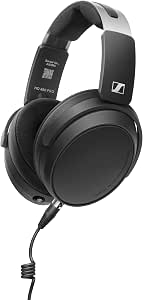 | Best Comfort for Glasses Wearers | Design: Closed-back, over-ear | Cable: 3 m coiled, detachable | Jack system: Dual L/R detachable | VIEW LATEST PRICE | See Our Full Breakdown |
| beyerdynamic DT 770 Pro Studio Headphones (80 Ohm, Black) |  | Best Overall | Impedance: 80 ohms | Design: Closed-back | Cable: 3 m straight, fixed | VIEW LATEST PRICE | See Our Full Breakdown |
| Audio-Technica ATH-M40x Professional Studio Monitor Headphones |  | Best Value | Driver size: 40 mm | Magnet type: Rare earth | Voice coil: Copper-clad aluminum wire | VIEW LATEST PRICE | See Our Full Breakdown |
| Sony MDR-7506 Professional Large Diaphragm Headphones | 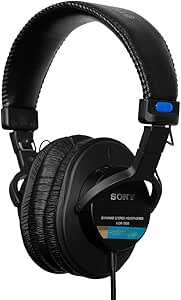 | Best Industry Standard for Tracking | Driver size: 40 mm | Frequency response: 10 Hz – 20 kHz | Magnet type: Neodymium | VIEW LATEST PRICE | See Our Full Breakdown |
| Audio-Technica ATH-M50x Professional Studio Monitor Headphones, Black | 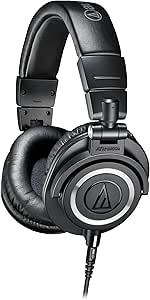 | Best All-Round Studio Workhorse | Brand: Audio-Technica | Model: ATH-M50x | Driver Size: 45mm large-aperture with rare earth magnets | VIEW LATEST PRICE | See Our Full Breakdown |
| Sennheiser HD 280 Pro Headphones, Black |  | Best Passive Noise Isolation | Brand: Sennheiser | Model: HD 280 Pro | Type: Closed-ear dynamic over-ear headphones | VIEW LATEST PRICE | See Our Full Breakdown |
| FIFINE HD8 Wired Studio Monitor Headphones with Detachable 3.5mm/6.35mm Cables |  | Best Value for Home Studios | Model: HD8 | Driver Size: 50mm | Frequency Response: 20Hz–20kHz | VIEW LATEST PRICE | See Our Full Breakdown |
| TASCAM TH-02 Wired Over-Ear Studio Monitor Headphones |  | Best Budget Backup Pair | Model: TH-02 | Type: Wired over-ear studio monitor headphones | Design: Foldable, closed-back dynamic | VIEW LATEST PRICE | See Our Full Breakdown |
| beyerdynamic DT 770 Pro X Closed-Back Studio Headphones (48 Ohm), Black |  | Best Premium Tracking Headphone | Brand: beyerdynamic | Model: DT 770 Pro X | Impedance: 48 Ohm | VIEW LATEST PRICE | See Our Full Breakdown |
| Audio-Technica ATH-M20x Professional Studio Monitor Headphones, Black |  | Best Budget Studio Workhorse | Brand: Audio-Technica | Model: ATH-M20x | Color: Black | VIEW LATEST PRICE | See Our Full Breakdown |
| Audio-Technica ATH-M20x Professional Studio Monitor Headphones, White |  | Best Starter Pair for Style-Conscious Beginners | Brand: Audio-Technica | Model Number: ATH-M20XWH | Color: White | VIEW LATEST PRICE | See Our Full Breakdown |
| beyerdynamic DT 770 Pro (80 Ohm) Closed-Back Studio Headphones, Black |  | Best Premium Tracking Headphones | Type: Closed-back dynamic | Impedance: 80 Ohms | Ear Pads: Replaceable grey velour | VIEW LATEST PRICE | See Our Full Breakdown |
| OneOdio Pro-10 Wired Over-Ear DJ Headphones, Black |  | Best Budget Pick for DJs and Hybrid Creators | Driver Size: 50 mm | Connectivity: Wired | Audio Jacks: 3.5 mm and 6.35 mm | VIEW LATEST PRICE | See Our Full Breakdown |
| closed back studio headphone | Design | Cable | Driver size |
|---|---|---|---|
| beyerdynamic DT 770 Pro 250 Oh | Closed-back, dynamic | Fixed 3 m coiled | — |
| Sennheiser HD 480 PRO Closed-B | Closed-back, over-ear | 3 m coiled, detachable | — |
| beyerdynamic DT 770 Pro Studio | Closed-back | 3 m straight, fixed | — |
| Audio-Technica ATH-M40x Profes | Closed-back, circumaural | Detachable, included | 40 mm |
| Sony MDR-7506 Professional Lar | Closed-ear, foldable | — | 40 mm |
| Audio-Technica ATH-M50x Profes | Closed-back, circumaural over-ear | Detachable | 45mm large-aperture with rare earth magnets |
| Sennheiser HD 280 Pro Headphon | — | — | — |
| FIFINE HD8 Wired Studio Monito | Closed-back, over-ear (circumaural) | — | 50mm |
| TASCAM TH-02 Wired Over-Ear St | Foldable, closed-back dynamic | — | — |
| beyerdynamic DT 770 Pro X Clos | Closed-back, over-ear | Detachable mini-XLR, 3 m | — |
| Audio-Technica ATH-M20x Profes | Circumaural, closed-back | — | 40 mm |
| Audio-Technica ATH-M20x Profes | — | — | 40 mm |
| beyerdynamic DT 770 Pro | — | Fixed 3m straight | — |
| OneOdio Pro-10 Wired Over-Ear | — | — | 50 mm |
More Details on Our Top Picks
beyerdynamic DT 770 Pro 250 Ohm Closed-Back Studio Headphones
The 250-ohm version of the DT 770 Pro stands out as the most refined variant of beyerdynamic’s studio staple, rewarding buyers who already own a headphone amp or audio interface with tighter control and more detailed low-end resolution than the 80-ohm edition can deliver straight out of a laptop jack. The replaceable velour ear pads and spring-steel headband make it genuinely comfortable across multi-hour mixing sessions, and the German build means parts stay serviceable for years.
The tradeoff is real, though: without amplification, these will sound quiet and limp compared to the Sony MDR-7506, which happily runs from anything. The fixed coiled cable also can’t be swapped if it fails — unlike the ATH-M40x with its detachable cables.
Pros:- Superior detail and bass control when properly amplified
- Replaceable velour pads and serviceable German build for long-term ownership
- Comfortable for marathon mixing sessions
- Closed design keeps bleed out of live microphones
Cons:- Requires a headphone amp or interface to reach full potential
- Fixed coiled cable cannot be replaced if damaged
Best for: Producers and mixing engineers with an audio interface or headphone amp who want maximum detail from a closed-back design
Not ideal for: Anyone plugging straight into a phone or laptop — the 250-ohm impedance starves these headphones of volume and dynamics
- Impedance:250 ohms
- Design:Closed-back, dynamic
- Cable:Fixed 3 m coiled
- Connector:3.5 mm with 1/4-inch adapter
- Ear pads:Replaceable grey velour
- Headband:Spring steel
- Warranty:2 years
- Origin:Made in Germany
Our verdict“If you already own a proper interface or amp, this is the closed-back mixing headphone that extracts the most detail from your chain.”
Sennheiser HD 480 PRO Closed-Back Studio Headphones
Sennheiser’s HD 480 PRO carves out a niche the rest of this lineup ignores: buyers who wear glasses during long sessions. Its ear pads are specifically shaped to seal around frames without the pressure points that plague the clampier Sony MDR-7506, and a vibration attenuation system keeps handling noise from traveling up the cable into your monitors. The detachable coiled cable and dual L/R jacks also give it a flexibility edge over the fixed-cable DT 770 Pro variants.
Compared with the ATH-M40x, the HD 480 PRO leans harder into neutral, low-distortion monitoring rather than bold presentation — accurate, but less exciting for casual listening. It’s strictly wired, so anyone wanting hybrid studio-plus-commute headphones should look elsewhere.
Pros:- Ear pads engineered to stay comfortable with eyeglasses
- Detachable cable and dual L/R jacks add setup flexibility
- Vibration attenuation reduces cable and handling noise
- Protective case and spare recording pads included
Cons:- No microphone or wireless option limits versatility
- Strictly studio-focused — not designed for portable use
Best for: Engineers and podcasters who wear glasses and need accurate, fatigue-free monitoring over long sessions
Not ideal for: Buyers wanting one headphone for studio and mobile life — there’s no mic, no wireless, and the 3 m coiled cable anchors you to the desk
- Design:Closed-back, over-ear
- Cable:3 m coiled, detachable
- Jack system:Dual L/R detachable
- Noise shielding:Passive
- Vibration control:Attenuation system
- Included:Protective case, recording ear pads
- Warranty:24 months
Our verdict“The pick for glasses wearers who refuse to choose between a proper seal and all-day comfort in the studio.”
beyerdynamic DT 770 Pro Studio Headphones (80 Ohm, Black)
This 80-ohm DT 770 Pro earns the top spot because it solves the impedance problem that complicates the 250-ohm version: it runs respectably from an interface and a laptop, making it the most versatile pick for real-world home studios. Its balanced response suits tracking, mixing, and critical listening equally, and the soft velour pads out-comfort the firmer pleather of the Sony MDR-7506 over long days. Handcrafted German assembly with replaceable pads, headbands, and drivers means this is a decade-plus purchase, not a consumable.
Against the ATH-M40x, it trades a slightly more analytical tuning for noticeably better long-session comfort — but the 3 m straight, non-detachable cable is awkward at a desk or on the move, and consumer devices may still need the included adapter.
Pros:- Runs well from interfaces and most laptops without a dedicated amp
- Velour pads remain comfortable through long sessions
- Fully serviceable — pads, headbands, and drivers are replaceable
- Balanced tuning works across tracking, mixing, and mastering
Cons:- Long fixed straight cable is impractical for portable use
- May need an adapter on some consumer devices
Best for: Home studio owners who want one closed-back headphone that handles tracking, mixing, and listening without fuss
Not ideal for: Mobile-first users — the long fixed cable and moderate impedance make it clumsy as an everyday portable headphone
- Impedance:80 ohms
- Design:Closed-back
- Cable:3 m straight, fixed
- Connector:3.5 mm with gold-plated 1/4-inch adapter
- Ear pads:Velour, replaceable
- Serviceability:Replaceable pads, headbands, drivers
- Origin:Handcrafted in Germany
Our verdict“The most balanced closed-back choice here: comfortable, serviceable, and forgiving of whatever gear you plug it into.”
Audio-Technica ATH-M40x Professional Studio Monitor Headphones
The ATH-M40x makes this list as the smart-money pick: it delivers the core studio-monitoring essentials of the pricier M50x — 40 mm drivers, rare earth magnets, and a flat-ish tuning — without paying extra for the flagship’s bass lift, which many mixers actually prefer to avoid. Its detachable cables immediately outclass the fixed cords on both the Sony MDR-7506 and the DT 770 Pro line: if a cable breaks, you replace a cable, not the headphone. The 90-degree swiveling earcups also make one-ear DJ-style cueing far easier than on the Sennheiser HD 480 PRO.
Tradeoffs exist at this price. Isolation is good but a step behind the tighter-sealing MDR-7506 in very loud rooms, and there’s no folding hinge or active noise cancellation for commuting duties.
Pros:- Detachable cables make failure a cheap fix
- 90-degree swiveling earcups suit one-ear monitoring and DJ cueing
- Flatter tuning than the M50x benefits honest mixing
- Pro-grade padding stands up to daily studio abuse
Cons:- Sound isolation trails more tightly sealed rivals in loud environments
- No folding design or wireless features for portable use
Best for: Budget-conscious producers and DJs who need reliable, repairable monitoring and swiveling earcups for cueing
Not ideal for: Anyone working in very loud live rooms or wanting travel headphones — isolation and portability trail the MDR-7506
- Driver size:40 mm
- Magnet type:Rare earth
- Voice coil:Copper-clad aluminum wire
- Design:Closed-back, circumaural
- Earcup swivel:90 degrees
- Cable:Detachable, included
- Color:Black
Our verdict“The best price-to-performance closed-back here for anyone who mixes on a budget and values replaceable cables.”
Sony MDR-7506 Professional Large Diaphragm Headphones
The MDR-7506 remains the headphone you’ll find hanging in broadcast booths and tracking rooms worldwide, and its staying power is earned: 40 mm neodymium drivers with a 10 Hz–20 kHz response expose midrange problems that smoother headphones like the DT 770 Pro 80 Ohm can gloss over. Its closed-ear seal delivers excellent passive isolation — better than the ATH-M40x — which matters most when drummers need to hear a click over a loud kit. The folding design and included soft case also make it the most travel-ready option in this batch.
The catch is the non-detachable 9.8-foot cord: when it fails, the headphone needs repair, unlike the M40x’s swappable cables. Comfort is also firmer, with pleather pads that get sweaty during long sessions.
Pros:- Decades-long industry reference for monitoring and broadcast
- Folding design with soft case travels better than rivals
- Tight closed-ear seal excels at blocking loud environments
- Bright midrange reveals flaws other headphones smooth over
Cons:- Non-detachable long cord is a durability and portability liability
- Firm pleather pads cause heat and fatigue over long sessions
Best for: Broadcasters, location sound recordists, and engineers tracking loud instruments who need isolation and a proven reference
Not ideal for: Long desk mixing sessions or anyone who hates cable clutter — the long fixed cord and firm pleather pads wear on you
- Driver size:40 mm
- Frequency response:10 Hz – 20 kHz
- Magnet type:Neodymium
- Design:Closed-ear, foldable
- Cord:9.8 ft, non-detachable
- Connector:Gold-plated 3.5 mm with 1/4-inch adapter
- Included:Soft case
Our verdict“The safest closed-back bet for tracking and broadcast work — just accept the fixed cord as part of the deal.”
Audio-Technica ATH-M50x Professional Studio Monitor Headphones, Black
The ATH-M50x earns its place here because it refuses to be pigeonholed. The 45mm large-aperture drivers deliver deep, accurate bass without smearing the midrange, which makes it as convincing for tracking a kick drum as it is for casual listening between sessions. Compared with the Sennheiser HD 280 Pro, the M50x trades a little isolation for a more engaging, extended low end, while its detachable cable system gives it a durability edge the fixed-cord Sony MDR-7506 can’t match. The 90-degree swiveling earcups are genuinely useful for DJs and one-ear cueing, not just marketing copy. The tradeoff: the fit is clampy and the build feels chunky for anyone wanting a lightweight commuter headphone.
Pros:- 45mm drivers deliver accurate bass and clear mids suitable for serious monitoring
- Detachable cable prevents the most common point of headphone failure
- 90-degree swiveling earcups make one-ear DJ and cue monitoring easy
- Circumaural design provides strong isolation in loud environments
Cons:- Clamp force and overall bulk make long casual listening sessions fatiguing
- Sound signature is slightly bass-forward for purist mixing reference work
Best for: Producers and engineers who want one headphone that handles tracking, mixing, and everyday listening equally well
Not ideal for: Buyers prioritizing maximum noise blocking in loud rooms — the HD 280 Pro attenuates more ambient sound
- Brand:Audio-Technica
- Model:ATH-M50x
- Driver Size:45mm large-aperture with rare earth magnets
- Design:Closed-back, circumaural over-ear
- Earcups:90-degree swiveling
- Cable:Detachable
- Color:Black
- Warranty:2 years parts and labor
Our verdict“If you can only own one closed-back studio headphone, this is the safest, most versatile pick in the lineup.”
Sennheiser HD 280 Pro Headphones, Black
Where the ATH-M50x goes for excitement, the HD 280 Pro goes for quiet. With up to 32 dB of passive noise attenuation, it out-isolates nearly everything in this roundup, which matters when you’re tracking drums in a live room or editing in a shared office. The sound is warm and natural rather than flattering — closer to the neutral character of the Sony MDR-7506 but with a fuller low-mid body. What sets it apart long-term is serviceability: earpads, headband padding, and the cord are all user-replaceable, so a worn part doesn’t mean a dead headphone. That coiled cord, though, is heavy and springy, and it will drag on a desk or pull at a portable recorder if you’re moving around.
Pros:- Up to 32 dB passive noise attenuation beats most closed-back rivals
- Earpads, headband padding, and cord are all replaceable for long service life
- Lightweight, padded ergonomic fit suits extended sessions
- Collapsible earpieces make transport easier than fixed-frame designs
Cons:- Coiled cord is bulky and adds drag for portable or desktop use
- Treble detail is softer than the ATH-M50x or DT 770 Pro X for critical mixing
Best for: Engineers tracking loud sources who need serious isolation without battery-powered noise canceling
Not ideal for: Podcasters and mobile recorders who move around — the long coiled cable is heavy and cumbersome
- Brand:Sennheiser
- Model:HD 280 Pro
- Type:Closed-ear dynamic over-ear headphones
- Noise Attenuation:Up to 32 dB passive
- Connectivity:Wired
- Cord Length:3.3–9.8 feet (coiled)
- Color:Black
- Warranty:2 years
Our verdict“The pick for buyers whose first priority is blocking outside sound in the tracking room, not having the last word in detail.”
FIFINE HD8 Wired Studio Monitor Headphones with Detachable 3.5mm/6.35mm Cables
The FIFINE HD8 makes the list by solving the beginner’s cable problem before it starts: it ships with two 9.8ft detachable coiled cables — one 3.5mm, one 1/4-inch — so you can plug straight into an interface, mixer, or phone without hunting for adapters. That’s a practical touch the TASCAM TH-02 covers only with a snap-on adapter, and one the ATH-M50x charges a premium for. Sonically, the 50mm drivers hold a respectable balance across bass, mids, and treble — good enough for home mixing and DJ practice, if not the last word in resolution. At just 265g with soft cushions, it’s also lighter on the head than the heavier clamp of the M50x. The tradeoff is fit-and-finish: it simply doesn’t feel built for years of studio abuse.
Pros:- Both 3.5mm and 1/4-inch detachable cables included, covering mixers, interfaces, and consoles without adapters
- 50mm drivers deliver balanced bass, mids, and treble across the full 20Hz–20kHz range
- Lightweight 265g build with padded cushions suits long sessions
- Passive isolation helps maintain focus in untreated rooms
Cons:- Build quality won’t survive the daily abuse that a replaceable-parts design like the HD 280 Pro can
- Coiled cables are awkward for portable or on-the-go listening
Best for: Home studio owners and streamers who want balanced monitoring sound and full cable compatibility on a tight budget
Not ideal for: Engineers needing long-term durability and reference-grade detail — the build and driver refinement fall short of the DT 770 Pro X
- Model:HD8
- Driver Size:50mm
- Frequency Response:20Hz–20kHz
- Design:Closed-back, over-ear (circumaural)
- Weight:265g
- Cables:Two 9.8ft detachable coiled cables (3.5mm and 6.35mm)
- Connectivity:Wired
- Noise Isolation:Passive
Our verdict“The smartest low-cost entry point for a home studio, as long as you treat it as a starter tool rather than a lifetime investment.”
TASCAM TH-02 Wired Over-Ear Studio Monitor Headphones
Not every headphone in a studio needs to be the hero. The TASCAM TH-02 fills the role of the cheap, honest workhorse you hand to a talent in the booth, toss in a gig bag, or keep as a spare. Its rich bass and crisp highs are tuned for enjoyment more than surgical accuracy, which makes it friendlier for podcasting and DJ cueing than for final mix decisions. Compared with the FIFINE HD8, the TH-02 folds down smaller and includes a snap-on 1/4-inch adapter, but its fixed cable means a broken cord ends the headphone’s life. The padded headband and ear pads keep it comfortable for medium sessions, though clamp pressure and materials betray the price point over time.
Pros:- Foldable design collapses compactly for gig bags and travel
- Included 1/4-inch snap-on adapter connects to mixers and interfaces out of the box
- Padded headband and ear pads keep it comfortable for medium-length sessions
- Closed-back design with rich bass suits DJ cueing and podcast monitoring
Cons:- Fixed cable means cord damage is a terminal failure, unlike the detachable designs of the HD8 or M50x
- Bass-forward tuning is less reliable as a mixing reference than the HD 280 Pro
Best for: Podcasters, small studios, and DJs who need multiple cheap headphones for talent and backups
Not ideal for: Anyone making final mixing decisions — the tuned bass and fixed cable limit both accuracy and lifespan
- Model:TH-02
- Type:Wired over-ear studio monitor headphones
- Design:Foldable, closed-back dynamic
- Sound:Rich bass response and crisp highs
- Adapter:Snap-on 1/8-inch (3.5mm) to 1/4-inch (6.3mm)
- Use Cases:Recording, podcasting, DJing, general music
Our verdict“Buy it as your second or third pair — a dependable spare for talent and travel that you won’t mourn if it gets stepped on.”
beyerdynamic DT 770 Pro X Closed-Back Studio Headphones (48 Ohm), Black
The DT 770 Pro X is the most refined pick in this batch, and its smartest move is 48-ohm impedance. Unlike the classic DT 770 Pro 250 Ohm, which really wants a headphone amp to sound its best, this version drives properly from a laptop, phone, or console — no extra box required. The STELLAR.45 driver keeps the DT 770 family’s precise, high-resolution character, and the detachable mini-XLR cable plus replaceable velour ear pads fix the two biggest complaints about the original design. Velour padding also breathes better than the pleather on the ATH-M50x during long tracking days, though it leaks a touch more sound. Handmade in Germany, it’s built for years — but it’s wired-only and costs noticeably more than everything else here.
Pros:- 48-ohm impedance runs at full quality straight from laptops, interfaces, phones, and consoles
- STELLAR.45 driver delivers precise, high-resolution monitoring for tracking and mixing
- Detachable mini-XLR cable and replaceable velour pads extend usable lifespan
- Velour ear pads stay cooler and more comfortable over long sessions than pleather alternatives
Cons:- Sits at a higher price point than the ATH-M50x, HD 280 Pro, and every budget option here
- Closed-back presentation is less open and airy than open-back reference headphones
Best for: Serious home and project studio owners who want DT 770-class detail without buying a headphone amplifier
Not ideal for: Casual listeners wanting wireless freedom or a compact travel headphone — it’s wired-only and full-size
- Brand:beyerdynamic
- Model:DT 770 Pro X
- Impedance:48 Ohm
- Driver:STELLAR.45
- Design:Closed-back, over-ear
- Connectivity:Wired, 3.5mm jack
- Cable:Detachable mini-XLR, 3 m
- Ear Pads:Replaceable velour
- Manufacturing:Handmade in Germany
Our verdict“The premium choice for buyers who want flagship-grade tracking detail that works straight out of any device’s headphone jack.”
Audio-Technica ATH-M20x Professional Studio Monitor Headphones, Black
The ATH-M20x earns its place as the cheapest genuinely professional-feeling closed-back option in this lineup. While the Sony MDR-7506 costs only slightly more and offers a flatter response, this model counters with a circumaural design that seals better, which matters when tracking drums or loud guitar amps. The 40 mm drivers are tuned with a lifted low end, so bass feels present rather than anaemic — but buyers chasing a strictly neutral mix reference should know that same tuning can mask low-mid buildup. Compared with the step-up ATH-M40x, you give up the detachable cable and slightly tighter midrange, yet the core tracking experience remains surprisingly close. For a spare pair hung on a mic stand, the tradeoff is easy to accept.
Pros:- Circumaural isolation that punches above its price for loud tracking sessions
- 40 mm drivers with rare earth magnets deliver confident low-end presence
- Single-side cable exit keeps the cord out of your way while playing or mixing
- Built for genuine studio duty rather than casual listening
Cons:- Bass-enhanced tuning is not a neutral reference for critical mixing
- Non-detachable cable means a damaged cord retires the headphones
Best for: Home studio owners and beginners who need a reliable closed-back tracking pair without spending much
Not ideal for: Mix engineers wanting a flat reference — the bass-forward tuning colors low-end decisions
- Brand:Audio-Technica
- Model:ATH-M20x
- Color:Black
- Driver Size:40 mm
- Magnet Type:Rare earth
- Voice Coil:Copper-clad aluminum wire
- Design:Circumaural, closed-back
- Cable Exit:Single side
- Intended Use:Studio tracking and mixing
Our verdict“A dependable budget tracking tool for anyone who values isolation and durability over analytical neutrality.”
Audio-Technica ATH-M20x Professional Studio Monitor Headphones, White
Functionally, the white ATH-M20x mirrors the black version reviewed above — same 40 mm rare-earth drivers, same bass-leaning studio tuning, same sealing over-ear fit. What sets it apart is presentation: the white finish makes it a natural pick for streamers, podcasters, and content creators whose headphones appear on camera. Compared with the OneOdio Pro-10 later in this list, this model offers a more honest studio voicing, though the Pro-10 counters with DJ-friendly swiveling cups. Against the TASCAM TH-02, another popular starter pair, the ATH-M20x isolates noticeably better thanks to its contoured circumaural pads. The two-year warranty adds peace of mind that most entry-level rivals don’t include.
Pros:- Contoured over-ear design provides strong passive isolation for vocal work
- Warm, bass-anchored tuning that flatters voice and modern production
- Comfortable fit holds up through long recording sessions
- Two-year warranty included
Cons:- Entry-level position in the M-Series means fewer refinements than the ATH-M40x
- Single-side fixed cable limits repair options
Best for: Streamers, podcasters, and first-time producers who want a camera-friendly studio look with dependable isolation
Not ideal for: Anyone already owning the black ATH-M20x — this is a colorway, not an upgrade
- Brand:Audio-Technica
- Model Number:ATH-M20XWH
- Color:White
- Driver Size:40 mm
- Ear Placement:Over ear, circumaural
- Sound Tuning:Enhanced low-frequency performance
- Warranty:2 Years
Our verdict“The same trusted budget studio performer as the black ATH-M20x, dressed for creators who appear on camera.”
beyerdynamic DT 770 Pro (80 Ohm) Closed-Back Studio Headphones, Black
The DT 770 Pro (80 Ohm) is the tracking standard this whole category is measured against, and this roundup is no exception. Its passive isolation outclasses the ATH-M20x and Sennheiser HD 280 Pro, keeping click tracks and cue mixes silent in the singer’s ears — and silent in your mic. The 80-ohm impedance is the sweet spot in beyerdynamic’s range: unlike the 250 Ohm version, it still reaches satisfying volume straight from a laptop, while sounding fuller from an interface or headphone amp. German construction with a spring-steel headband and replaceable velour pads means years of service, something the fixed 3 m cable can’t quite claim — a straight, non-detachable cord that can snag in tight booths. The velour pads also breathe better than the pleather on most rivals, though they leak slightly more sound.
Pros:- Class-leading passive isolation for vocal booths and loud control rooms
- 80-ohm drivers work well from interfaces, amps, and most laptops alike
- Replaceable velour ear pads and spring-steel headband built for years of studio abuse
- Comfortable for marathon sessions where pleather-padded rivals get sweaty
Cons:- Reaches full potential only with an audio interface or headphone amp
- Fixed 3 m straight cable is non-detachable and prone to snagging
Best for: Producers and engineers who track vocals or instruments in loud rooms and want reference-grade comfort for hours at a time
Not ideal for: Mobile-only creators with no interface or amp — and anyone who needs a detachable cable
- Type:Closed-back dynamic
- Impedance:80 Ohms
- Ear Pads:Replaceable grey velour
- Headband:Spring steel
- Cable:Fixed 3m straight
- Includes:1/4-inch adapter
- Origin:Made in Germany
Our verdict“If tracking isolation and long-session comfort top your list, this is the closed-back benchmark worth stretching your budget for.”
OneOdio Pro-10 Wired Over-Ear DJ Headphones, Black
The OneOdio Pro-10 plays a different game from the studio monitors here: it’s built for the DJ booth, and that changes its strengths. The 90° swiveling ear cups enable single-ear cueing that neither the ATH-M20x nor the DT 770 Pro handles as naturally, and the 50 mm drivers push bass with an energy that suits beatmatching more than critical mixing. A clever shared audio port lets a second pair of headphones daisy-chain in — genuinely handy for back-to-back DJ sets or collaborative monitoring on a budget. The tradeoff is transparency: where the DT 770 Pro resolves fine detail, this model colors the sound. And it’s wired-only, with no wireless option for casual listening. As a utility tool, though, it’s remarkably capable for the money.
Pros:- 90° swiveling ear cups make single-ear DJ cueing effortless
- 50 mm neodymium drivers deliver punchy bass and clear vocals
- Both 3.5 mm and 6.35 mm jacks plus a shared port for chaining a second pair
- Padded cushions and adjustable headband hold up through long sets
Cons:- Bass-forward tuning obscures the neutral detail studio monitors provide
- Wired-only design with no wireless mode for casual or mobile use
Best for: Aspiring DJs and hybrid creators who need swiveling cups, dual jacks, and a shared-audio trick at a low price
Not ideal for: Mix-focused producers — the bass-heavy, colored voicing isn’t a trustworthy reference
- Driver Size:50 mm
- Connectivity:Wired
- Audio Jacks:3.5 mm and 6.35 mm
- Extra Port:Shared audio jack for a second headphone pair
- Ear Cup Rotation:90° swiveling
- Color:Black
Our verdict“A smart buy for DJs and on-a-budget creators who need cueing flexibility and shared listening, not analytical accuracy.”
How We Picked
My ranking for this roundup rests on five criteria, weighted for what closed back headphones are actually bought to do. Sonic honesty came first: models that present a relatively flat frequency response without hyped bass or scooped mids scored higher, because a mix that translates to speakers starts with headphones that don’t lie. Passive isolation was second — these are tracking tools, so a model that leaks sound into a live vocal mic or lets drum bleed in fails at its core job regardless of how good it sounds. Third, comfort over long sessions: clamping force, earcup depth, and headband padding decide whether a headphone is usable for a four-hour mixing block or only for quick checks.
The remaining two criteria separated the middle of the pack from the top. Build and serviceability rewarded detachable cables, replaceable earpads, and metal-framed hinges over glued plastic. Value within tier then ordered the final list — a cheaper model that delivers 90 percent of a flagship’s performance ranks above a more expensive one with marginal gains. Where two models were near-tied, amp requirements and warranty support broke the tie in favor of the option that works for the widest range of home and pro setups.
Factors to Consider When Choosing Closed Back Studio Headphones
Before choosing a specific model, it helps to understand what actually separates closed back studio headphones from each other — and where buyers most often go wrong. These are the factors that shaped my ranking and should shape your decision.Impedance and What Your Interface Can Actually Drive
Impedance is the most misunderstood number in this category. A 250 Ohm model like the DT 770 Pro 250 demands a headphone amp or a high-output interface to reach proper volume and full bass response; plugged into a phone or laptop it will sound thin and quiet even at max volume. Lower-impedance versions (32–80 Ohm) play loud and clean from almost any device, which is why they suit home studios and mobile recording. The mistake buyers make is assuming higher impedance means higher quality — it doesn’t, it just changes what gear the headphone needs to perform. Match the impedance to your actual source before looking at anything else, because a mistmatched pair undermines every other strength a headphone has.
Open, Closed, and Semi-Open: Why Back Design Decides Everything
The closed back design in every model here is a deliberate trade: you get isolation and minimal sound leakage in exchange for a less spacious, slightly more closed-in soundstage. That trade is correct for tracking — an open back headphone next to a condenser mic leaks click tracks and cues straight into your recording. But it means closed back models are inherently less ideal as your only mixing reference compared with open backs like the DT 990, because the narrower soundstage can push you toward over-wide mix decisions. Many engineers own both: closed for tracking, open for critical mixing. If you can only buy one headphone, closed back remains the safer all-rounder, but know that its limitations are structural, not fixable by spending more.
Tuning Accuracy Versus Listening Pleasure
Not every closed back studio headphone is tuned flat, and this is where marketing confuses buyers. Some models in this roundup are genuinely neutral monitors meant for mix decisions; others boost bass and treble to sound impressive, which feels great on day one and misleads you for months afterward. The tell is how a mix made on the headphone translates to car speakers and earbuds — hyped-bass models trick you into thinning your low end. If the headphone is mainly for tracking cues or enjoying playback, a flattering tuning is fine and even pleasant. If you’re making final mix decisions, prioritize the flattest response you can afford, and verify your work on multiple systems regardless of what you buy.
Comfort Specs That Matter Over Long Sessions
Clamp force and earcup depth matter more than weight numbers on a spec sheet. A headphone that clamps tightly isolates better but causes jaw and temple fatigue within an hour — a real problem for mastering sessions — while a loose fit leaks sound and shifts when you move. Velour earpads breathe and stay comfortable for hours but isolate slightly less than pleather, which seals tighter but gets hot and sweaty. Also check replaceable pads: pads compress and flake within a couple of years of daily use, and a model with standard replacement pads stays in service while sealed designs get retired. Comfort is not a luxury here — an uncomfortable headphone gets taken off, and a headphone you take off is a headphone you’re not referencing.
Cable Design, Durability, and Total Cost of Ownership
The cable is the most common point of failure on any wired headphone, and manufacturers handle it very differently. Fixed cables keep costs down and connection points clean, but a single frayed wire near the plug can end the headphone’s life unless you’re handy with a soldering iron. Detachable cables — standard on the HD 480 PRO, ATH-M50x, and FIFINE HD8 — turn a potential death sentence into a cheap replacement part. Coil cables resist tangles and let you move around a desk but add weight and can pull the headphone sideways. When comparing prices, factor in a replacement cable and one set of pads over the headphone’s life; a model that looks cheaper upfront sometimes costs more once you add the parts that keep it running.
Budget Realities: What Extra Money Actually Buys
Below roughly $60, closed back headphones can be genuinely useful for cue mixes and content creation, but expect compromised isolation, rolled-off detail, and hinges that don’t survive a backpack. The $80–$170 range is where this category delivers its best value — most of my top picks live here, and the step up in driver quality, comfort, and build is large. Above that, gains become incremental: better soundstage depth, more refined treble, and longer warranties rather than a fundamentally different tool. The common mistake is buying a flagship to fix problems that are actually monitoring-environment problems. Spend according to the decisions the headphone informs — a hobbyist tracking demos doesn’t need a mastering-grade reference, and a commercial studio shouldn’t buy budget models for client sessions.
Frequently Asked Questions
Should I get the DT 770 Pro in 32, 80, or 250 Ohm?
The impedance choice depends entirely on what will drive the headphone. The 250 Ohm version rewards owners of dedicated headphone amps or high-end interfaces with slightly tighter bass and lower distortion, but plugged into a laptop or phone it sounds weak and lifeless. The 80 Ohm version is the practical middle ground — it reaches healthy volume from most audio interfaces while retaining most of the 250’s character, which is why it’s my overall pick. The 32 Ohm version suits mobile recording, phones, and bus-powered interfaces where output power is limited. Choosing wrong doesn’t just affect volume; an under-driven high-impedance headphone also loses bass extension and dynamics, so match the number to your gear before buying.
Are cheap studio headphones like the TASCAM TH-02 or OneOdio Pro-10 actually usable for real work?
They are usable, but only for jobs where accuracy isn’t the priority. These budget models handle cue mixing for musicians, podcast editing, and general content creation perfectly well, and their sound quality is far better than their price suggests. Where they fall short is isolation and tuning honesty: they leak more sound than pricier models, which matters when tracking vocals with a sensitive mic, and their bass response is boosted enough to skew mix decisions. If your only reference is a super-budget headphone, your mixes will systematically over-correct in the low end. My suggestion is to use them as a second pair for rough work while relying on something in the $80–$170 tier for final decisions.
Can I mix properly on closed back headphones, or do I need open backs?
You can absolutely mix on closed backs — plenty of professional engineers do — but you need to understand their built-in bias. Closed designs produce a narrower soundstage, which can push you toward making stereo width and reverb decisions that sound overdone on speakers. They also trap bass energy differently, sometimes exaggerating low frequencies around 100 Hz. The compensations are simple: reference your mix on earbuds, a car stereo, and any speakers you can access, and take breaks to reset your ears. Open back headphones solve the soundstage problem but leak sound badly, so they can’t serve double duty for tracking. If you’re buying one headphone that must do everything, a well-tuned closed back remains the smarter purchase.
Is the ATH-M50x worth the upgrade over the ATH-M40x?
This comparison comes down to tuning philosophy rather than quality. The ATH-M40x is tuned flatter, which makes it arguably the better pure monitoring tool — what you hear maps more directly to what your mix contains. The ATH-M50x has more bass presence and a livelier top end, which many listeners prefer for long sessions and general listening, and it also offers rotating earcups for one-ear DJ-style monitoring. If your primary use is mix decisions, the cheaper M40x is honestly the better buy; if you want one headphone that doubles as a daily listener for music and editing, the M50x justifies the extra spend. Neither is a wrong choice — they’re tuned for different jobs, and the ranking reflects that split rather than declaring one objectively superior.
How important is a detachable cable on studio headphones?
More important than most buyers expect, because cable failure is the number-one killer of wired headphones. Cables get yanked, rolled over by chair wheels, and stressed at the plug until internal wires break — and on a fixed-cable design, that damage often costs more to repair than the headphone is worth. The Sony MDR-7506 and the entire DT 770 line have fixed cables and remain excellent, so this shouldn’t be a dealbreaker if a model wins on sound. But models like the Sennheiser HD 480 PRO and ATH-M50x let you swap a damaged cable in seconds and even use different cable lengths for different setups. If you’re rough on gear or plan to keep the headphone for many years, detachability meaningfully extends its usable life.
Conclusion
After comparing all 14 models, the right choice depends less on specs and more on how you work. Best overall goes to the beyerdynamic DT 770 Pro 80 Ohm — its combination of isolation, comfort, and reliable tuning works for tracking and mixing across almost any interface-driven setup. Best value belongs to the Sony MDR-7506, which delivers honest monitoring at a price that leaves room in the budget for other gear, with the Audio-Technica ATH-M40x right behind it for buyers who prefer a flatter tuning and swiveling earcups. Best premium pick is the Sennheiser HD 480 PRO, whose detachable cable and refined balance make it the most forward-looking choice for a working studio.
For beginners and home studios, the FIFINE HD8 and TASCAM TH-02 get you monitoring without a big commitment, while the ATH-M20x splits the difference for anyone wanting a known studio brand at an entry price. For specific needs: the DT 770 Pro 250 Ohm suits amp-equipped control rooms seeking maximum refinement, the 48 Ohm Pro X serves mobile and bus-powered setups, the HD 280 Pro is the isolation specialist for loud tracking rooms, and the OneOdio Pro-10 covers DJ and cue-monitoring duty. Whatever you choose, pair it with the amp and source it’s designed for — that match, more than the headphone itself, determines whether you hear these models at their best.
Fall Picks
fall essentials
As an affiliate, we earn on qualifying purchases.