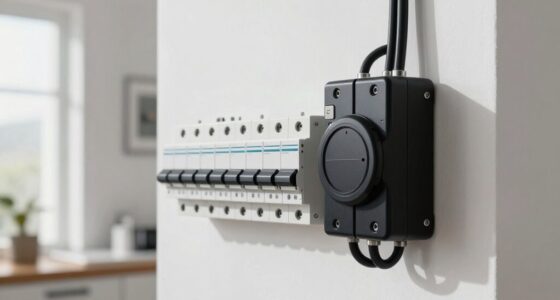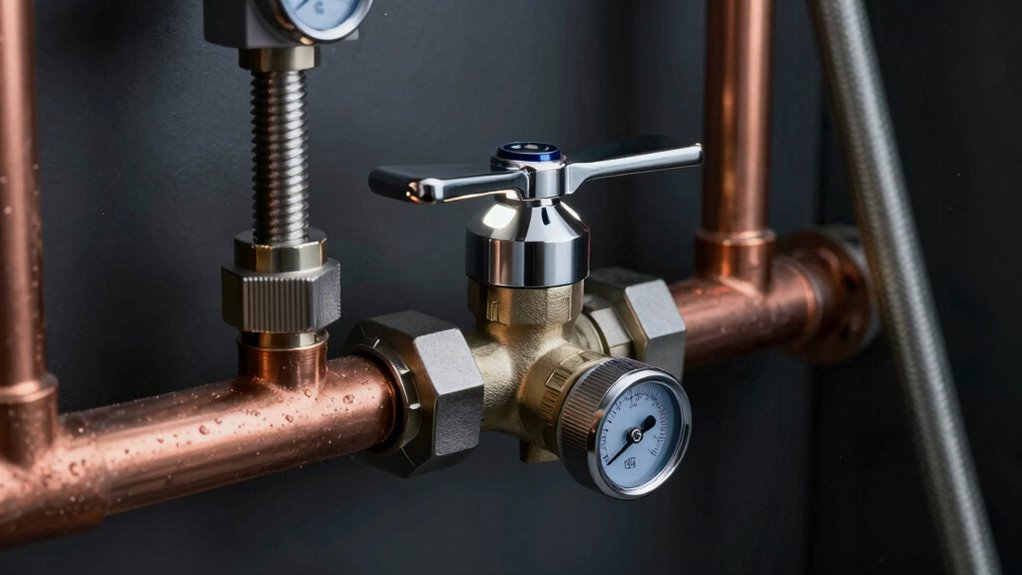

Water shutoff valves are becoming a bigger home tech story because they now connect to your Wi-Fi, letting you control them remotely through apps. They detect leaks early with sensors, automatically shutting off water to prevent damage and alerting you instantly. These systems also integrate seamlessly with your home security and automation setups, boosting safety and convenience. If you want to see how this smart upgrade can protect your home, keep exploring the latest trends in home technology.

Get audio and creator gear delivered free with Prime
- Fast, free delivery on millions of items
- Prime Video, Amazon Music and more included
- Member-only deals all year
Key Takeaways
- Integration with Wi-Fi enables remote control and monitoring, increasing convenience and safety.
- Advanced sensors allow early leak detection, preventing property damage and costly repairs.
- Automated shutoff and instant alerts reduce emergency response time during leaks.
- User-friendly interfaces and customization enhance home automation and tailored water management.
- Growing affordability and compatibility drive widespread adoption in modern smart home ecosystems.
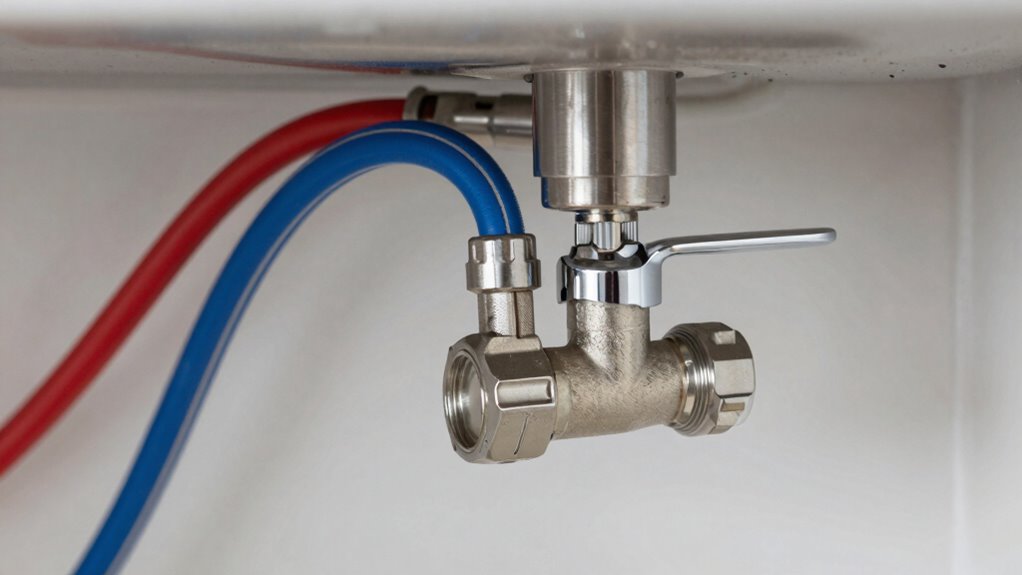
Water shutoff valves are essential components of modern home plumbing systems, giving you control over water flow and helping prevent damage during leaks or emergencies. As technology advances, these valves are transforming from simple manual levers into smart systems that can be monitored and controlled remotely. This evolution makes them a key part of home automation and a growing trend in home tech. With smart installation, you can connect your water shutoff valves to your home Wi-Fi network, enabling you to operate them via smartphone apps. This means you don’t have to be physically present to shut off water during a leak or maintenance, giving you peace of mind no matter where you are.
Leak detection is another game-changer in this space. Modern water shutoff valves often come equipped with sensors that monitor water flow and humidity levels to identify potential leaks early. When a leak is detected, the system can automatically shut off the water supply, preventing minor drips from turning into costly water damage or mold growth. This proactive approach can save you thousands in repairs and insurance claims, making smart water valves a smart investment for homeowners.
Having a water shutoff valve with integrated leak detection also means you’re less likely to face the chaos of emergency repairs. Instead of scrambling to find the main water valve during a burst pipe or significant leak, your system can act swiftly to minimize damage, and you can be notified immediately via your phone. This level of automation isn’t just about convenience; it’s about protecting your home and its contents. Plus, many of these smart valves are compatible with home security systems, allowing for seamless integration into your existing smart home setup.
The appeal of smart installation extends beyond leak detection. These valves often come with user-friendly interfaces, real-time alerts, and customizable settings that allow you to control water flow based on your schedule or preferences. You can set schedules for watering your garden or turn off the water in specific zones during vacations. As more homes adopt these technologies, their value becomes clear—not only in preventing damage and saving money but also in enhancing overall home management. Additionally, smart home integration is making these systems even more versatile by allowing control through various automation platforms. Moreover, advancements in home automation are continuously expanding the functionality and ease of use of these systems, making them more accessible to homeowners. Furthermore, as home technology evolves, these smart water systems are increasingly being integrated with other smart devices for a more cohesive home automation experience. Investing in these innovations also aligns with a broader shift toward connected home devices, which enhance both efficiency and convenience.
In essence, water shutoff valves are becoming a bigger home tech story because they combine safety, convenience, and advanced automation. With smart installation and leak detection capabilities, they give you more control and peace of mind than ever before. As these systems become more affordable and easier to install, expect them to become standard in modern homes, turning your plumbing system into a smarter, more resilient part of your home. Additionally, integrating electric bike technology into home automation systems is an emerging trend, demonstrating how diverse home tech solutions are becoming interconnected for enhanced efficiency and convenience.
smart water shutoff valve with leak detection
As an affiliate, we earn on qualifying purchases.
As an affiliate, we earn on qualifying purchases.
Frequently Asked Questions
How Do Smart Water Shutoff Valves Detect Leaks Automatically?
Smart water shutoff valves detect leaks automatically through advanced sensor technology. When leak detection sensors sense unusual water flow or moisture, they send signals to the valve, triggering it to shut off water supply immediately. You benefit from this quick response, preventing flooding and water damage. These sensors continuously monitor your plumbing system, providing peace of mind by alerting you instantly if a leak is detected, saving you time and costly repairs.
Can Water Shutoff Valves Be Integrated With Existing Home Security Systems?
You can definitely integrate water shutoff valves with your existing home security systems. Many smart valves are compatible with popular home automation platforms, allowing you to control them remotely and set automation rules. This integration not only enhances water conservation but also provides added security against leaks or floods. By connecting these systems, you create a smarter, more efficient home that actively safeguards your property and conserves resources.
What Is the Typical Lifespan of a Modern Water Shutoff Valve?
A modern water shutoff valve typically lasts around 10 to 15 years, depending on valve materials and installation challenges. Brass valves tend to be more durable, lasting longer than plastic ones. If you face installation challenges like limited space or old piping, it might affect lifespan and performance. Regular inspections and timely replacements help guarantee your valve functions properly, preventing leaks or water damage.
Are There Any Safety Concerns With Automated Shutoff Systems?
Automated shutoff systems generally are safe, but you should consider potential safety concerns. Make sure your system has reliable emergency response features and user alerts to notify you of leaks or malfunctions promptly. Regularly test the system to confirm it works correctly, and stay aware of any updates or recalls. Proper maintenance and monitoring help prevent accidents and ensure your automated shutoff system enhances your home safety effectively.
How Much Do Water Shutoff Valves Typically Cost to Install?
The installation cost for a water valve varies depending on your home’s plumbing setup and whether you choose manual or automated shutoff systems. Typically, expect to pay between $150 and $500 for installation. The cost covers labor and the valve itself. Keep in mind that more advanced, smart water valves might cost more upfront but can save you money and hassle in the long run by preventing water damage.
Conclusion
As water shutoff valves become smarter, you’re no longer just closing a valve—you’re gaining a safeguard, a silent guardian watching over your home’s core. Imagine the quiet reassurance of a device that halts leaks before they flood your life, contrasting with the chaos of water damage in the past. In this new tech era, your home’s most essential resource is now protected by innovation, turning potential disasters into mere moments of control and peace of mind.
Halloween Picks
halloween
As an affiliate, we earn on qualifying purchases.